

Best white wines for summer: your 2026 guide
TL;DR:
- The best summer white wines are crisp, high in acidity, and versatile for various dishes. Varietals like Sauvignon Blanc, Albariño, Chenin Blanc, and Aligoté offer refreshing finishes and lively acidity suitable for warm weather. Selecting wines with proper temperature, acidity, and texture enhances summer dining and entertaining experiences.
The best white wine for summer is crisp, high in acidity, and versatile enough to handle everything from a prawn salad to a backyard barbecue. Sauvignon Blanc, Albariño, Chenin Blanc, and Aligoté are the varietals that consistently deliver that refreshing hit when the mercury climbs. These wines share a clean finish, bright citrus or mineral notes, and the kind of lively acidity that makes them genuinely thirst-quenching. Whether you’re choosing wine for summer entertaining or just cracking something cold on a Friday arvo, knowing which styles to reach for makes all the difference.
1. What makes the best white wine for summer?
The best summer white wines share three qualities: high acidity, low to moderate alcohol, and a clean, refreshing finish. High acidity keeps the wine tasting lively rather than flat when it warms up in the glass. Low to moderate alcohol, typically in the 11–13% ABV range, means the wine stays dry and tart rather than heavy and sweet. That’s the profile you want on a hot day.
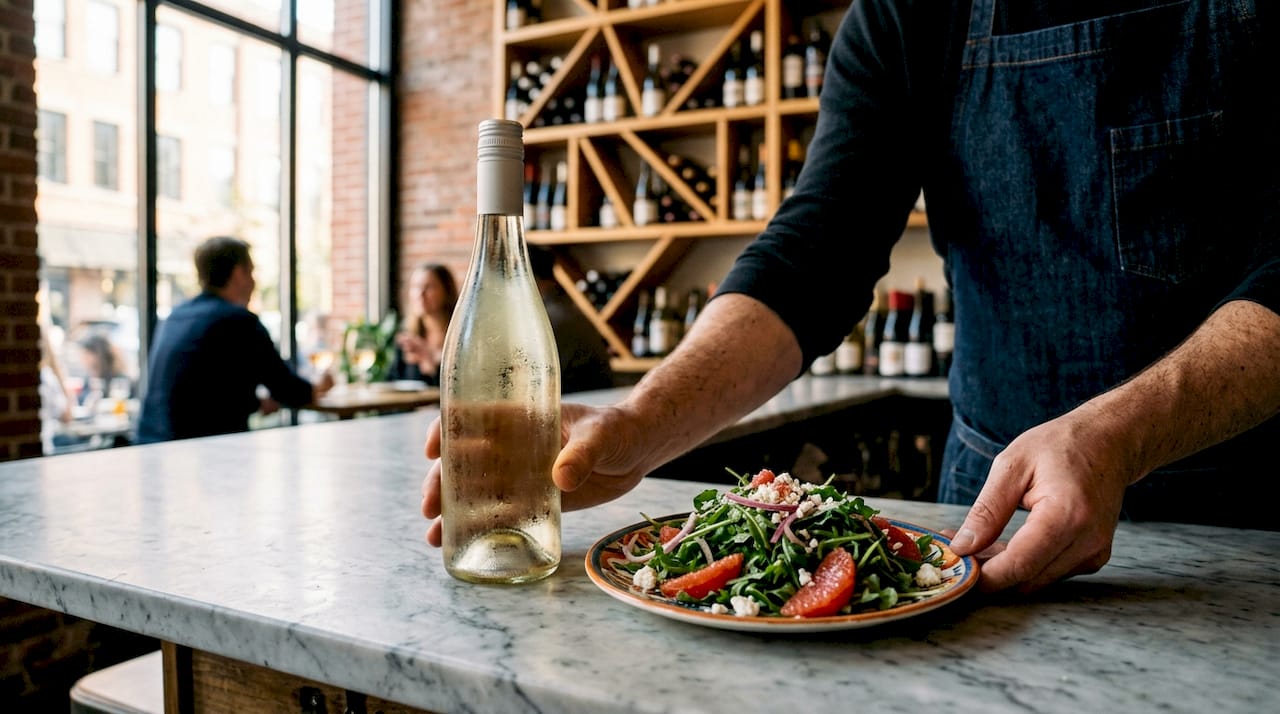
Acidity also does the heavy lifting when it comes to food pairing. It cuts through rich dishes, lifts delicate seafood, and refreshes the palate between bites. A wine that lacks acidity tastes flabby in summer heat. One with too much residual sugar feels cloying. The sweet spot is a wine that finishes clean and leaves you reaching for another sip.
2. Sauvignon Blanc: the classic summer pick
Sauvignon Blanc is the go-to summer white for good reason. It delivers zesty citrus, fresh-cut grass, and sometimes a flinty mineral edge that feels purpose-built for warm weather. New Zealand’s Marlborough region produces some of the most recognisable expressions, with punchy passionfruit and grapefruit characters. French Sancerre and Pouilly-Fumé offer a leaner, more mineral style if you want something a touch more restrained.
Sauvignon Blanc pairs brilliantly with goat’s cheese, green salads, grilled fish, and anything with a squeeze of lemon. It’s also one of the most food-friendly whites you can put on a summer table. Keep it well chilled, around 7–10°C, and serve it young. Aged Sauvignon Blanc loses the freshness that makes it so appealing in the first place.
3. Albariño: the seafood lover’s summer white
Albariño is a Spanish white from Galicia that punches well above its price point. Sommeliers consistently highlight it as a top summer varietal for its mineral backbone, stone-fruit aromatics, and mouthwatering acidity. It’s built for seafood. The wine’s saline, almost oceanic quality makes it a natural match for oysters, prawns, grilled snapper, and ceviche.
If you haven’t tried Albariño yet, you’re missing one of summer’s best-kept secrets. It’s not as widely stocked as Sauvignon Blanc, but the quality-to-price ratio is outstanding. Check out this seafood and wine pairing guide for more ideas on matching Albariño with specific dishes. It’s a wine that rewards curiosity.
4. Chenin Blanc: acid-driven and endlessly versatile
Chenin Blanc is one of the most versatile white grapes on the planet. In its dry form, it delivers bright apple, quince, and honeysuckle notes with a firm acidity that keeps it lively. South Africa produces excellent dry Chenin Blanc at very approachable prices. France’s Loire Valley, particularly Vouvray and Savennières, offers more complex expressions with a waxy, textured quality.
Matching wine texture to food is where Chenin Blanc really shines. A crisp, unoaked Chenin Blanc suits light salads, vegetable dishes, and fresh cheeses. A slightly richer, barrel-fermented version handles roasted chicken or creamy pasta with ease. One grape, two very different summer moods.
Pro Tip: Look for South African Chenin Blanc labelled “Steen” for an affordable, food-friendly summer option that rarely disappoints.
5. Aligoté: the overlooked Burgundy bargain
Aligoté is Burgundy’s other white grape, and it’s criminally underrated. While Chardonnay from the same region commands eye-watering prices, Aligoté delivers genuine Burgundian character at a fraction of the cost. It’s lean, tart, and mineral, with a crisp green-apple edge that makes it ideal for warm-weather drinking. It’s also the traditional base for Kir, the classic French aperitif made with blackcurrant liqueur.
Aligoté suits casual summer drinking beautifully. It’s not a wine that demands attention or analysis. It’s the kind of bottle you open on a Tuesday evening without ceremony and finish before you’ve noticed. For drinkers who want to explore rare varietals without paying Chardonnay prices, Aligoté is the answer.
6. Southern Italian whites: the buzzy picks of 2026
Fiano and Falanghina from Southern Italy are the wines sommeliers are tipping as the standout summer whites of 2026. Both offer bright minerality, crisp acidity, and a slightly fuller body than Sauvignon Blanc. That extra texture makes them excellent with richer summer dishes like roasted fish, melon salad, or antipasto platters.
Fiano in particular has a nutty, almost honeyed quality that sets it apart from leaner northern Italian whites. Falanghina is more citrus-driven and floral. Both are worth seeking out if you want to impress guests with something they haven’t tried before. They’re the kind of wines that make people ask, “What is this?” in the best possible way.
7. Selecting rosé wine for your summer event
Dry rosé is the most versatile wine you can pour at a summer gathering. The best options for selecting rosé wine for a summer event sit in the $15–$30 price range and deliver bright red-fruit notes, a clean finish, and enough acidity to work with food. Avoid anything that looks syrupy or tastes sweet. That style might work as a dessert wine, but it clashes with most summer savoury dishes.
Structured rosés like Tavel from the Rhône Valley and Cerasuolo d’Abruzzo from Italy are worth knowing about. These are deeper-coloured, textured rosés with enough body to pair with grilled meats, charcuterie, and even a lamb cutlet. They’re a step up from pale, easy-drinking styles and they hold their own at the table. Consumers increasingly treat rosé as a serious food wine rather than a casual poolside pour, and these styles are why.
Pro Tip: Serve dry rosé at around 10°C. Too warm and it loses its freshness; too cold and the fruit disappears.
- Pale Provence-style rosé: light, floral, suits seafood and salads
- Tavel rosé: fuller-bodied, suits grilled meats and charcuterie
- Cerasuolo d’Abruzzo: vibrant cherry notes, excellent with pasta dishes
- Spanish rosado: earthy and savoury, pairs well with tapas
High-quality rosé is defined by a balance of creaminess and zestiness on the palate, not by colour alone. A pale blush doesn’t guarantee quality. A deep salmon or copper hue doesn’t mean the wine is sweet. Taste and texture tell the real story.
8. Matching wine styles to summer food
Matching wine texture to food is the single most useful skill for summer entertaining. The principle is simple: match the weight of the wine to the weight of the dish. A light, crisp white suits delicate food. A richer, textured white suits heartier fare.
| Wine style | Acidity | Body | Best summer food match |
|---|---|---|---|
| Sauvignon Blanc | High | Light | Salads, goat’s cheese, grilled fish |
| Albariño | High | Light to medium | Prawns, oysters, ceviche |
| Chenin Blanc (dry) | High | Light to medium | Vegetables, fresh cheese, chicken |
| Chardonnay (oaked) | Medium | Full | Creamy pasta, roast chicken, corn |
| Dry rosé | Medium to high | Light to medium | Grilled meats, charcuterie, seafood |
| Fiano | Medium | Medium | Roasted fish, antipasto, melon |
Pro Tip: Check the ABV on the label before you buy. Wines at 8–10% ABV tend to be sweeter, while 11–13% ABV signals a drier, more tart style. That one number saves you from a lot of disappointing sips.
9. How to build a summer wine selection for entertaining
A three-bottle rotation is the most practical approach to choosing wine for summer entertaining. One everyday white for casual drinking, one elevated bottle for guests who appreciate quality, and one sparkling for toasts and aperitifs. That combination covers almost every summer occasion without overcomplicating things.
Keep at least one bottle chilled and ready at all times. Spontaneous gatherings are a summer reality, and a warm bottle of white is a missed opportunity. A good insulated wine bag or a second fridge shelf dedicated to wine solves this instantly.
- Everyday white: a crisp Sauvignon Blanc or South African Chenin Blanc under $20
- Elevated bottle: an Albariño, Fiano, or quality dry rosé in the $25–$40 range
- Sparkling: a Prosecco, Crémant, or Australian sparkling white for aperitifs
Low-tannin reds like Gamay and Barbera are worth adding to the mix for guests who prefer red wine. Lightly chilled to around 18°C, they’re genuinely refreshing and pair well with grilled meats. They’re the kind of unexpected choice that gets people talking. For more ideas on impressing guests with your wine selection, it’s worth thinking beyond the obvious whites.
Whites are best served at 7–10°C. That temperature preserves freshness and keeps the acidity lively. Pull them from the fridge about 10 minutes before serving so the aromatics have a chance to open up. A wine that’s too cold smells like nothing at all.
Key takeaways
The best white wine for summer is defined by high acidity, a clean finish, and the versatility to pair with a wide range of seasonal dishes.
| Point | Details |
|---|---|
| Prioritise acidity | High-acid whites like Sauvignon Blanc and Albariño stay refreshing as temperatures rise. |
| Read the ABV label | Wines at 11–13% ABV are typically drier and better suited to summer food pairing. |
| Match texture to food | Crisp whites suit light dishes; richer styles like oaked Chardonnay suit creamy fare. |
| Try overlooked varietals | Aligoté, Fiano, and Falanghina deliver quality and interest at accessible prices. |
| Build a three-bottle rotation | One everyday white, one elevated bottle, and one sparkling covers every summer occasion. |
My honest take on summer whites
I’ve spent a lot of summers reaching for the same bottles. Marlborough Sauvignon Blanc, a reliable Provence rosé, maybe a Pinot Grigio when nothing else was on hand. And those are all fine choices. But fine isn’t the same as exciting.
The wines that have genuinely surprised me lately are the ones nobody’s talking about at the bottle shop. Aligoté, for instance, is a wine I’d overlooked for years because Burgundy meant Chardonnay in my head. The first time I tried a well-made Aligoté with a simple cheese plate on a warm evening, I felt a bit embarrassed it had taken me so long. It’s tart, mineral, and completely unpretentious. Every bottle is a small rebellion against paying too much for a name.
The rosé conversation has also shifted in a way I find genuinely interesting. Pale Provence rosé is still lovely, but the structured styles like Tavel and Cerasuolo are where the real excitement is. These are wines that hold up to food, hold up to heat, and hold up to scrutiny. They’re not just pretty in the glass. They have something to say.
My advice: keep one reliable favourite in the fridge, but use summer as an excuse to try at least one varietal you’ve never opened before. The worst that happens is you learn something. The best that happens is you find your new warm-weather obsession.
— Damien
Premium summer whites without the premium price tag
Com (FU Wine) was built for exactly this kind of drinking. Not the overpriced, label-chasing kind. The kind where you crack something genuinely good on a hot afternoon and feel like you got away with something.
FU Wine’s rotating selection includes crisp summer whites, structured rosés, and those hard-to-find varietals that make a summer table worth sitting at. The deals move fast and the stock is real. Browse the summer wine collection and see what’s available now. If you want a head start on pairing your whites with food, that guide is worth a read before you order. Life’s too short for ordinary wine.
FAQ
What is the best white wine for summer?
Sauvignon Blanc, Albariño, and Chenin Blanc are the best white wines for summer due to their high acidity, clean finish, and versatility with seasonal food. Sommeliers also tip Southern Italian whites like Fiano and Falanghina as standout picks for 2026.
What temperature should I serve white wine in summer?
White wines are best served at 7–10°C in summer. That temperature keeps the acidity lively and the aromatics fresh without numbing the flavour.
How do I choose a dry rosé for a summer event?
Look for dry rosés with bright red-fruit notes and a clean finish, ideally in the $15–$30 range. Avoid styles that look syrupy or taste sweet, as they clash with most summer savoury dishes.
How can I tell if a white wine will be sweet or dry?
Check the ABV on the label. Wines at 8–10% ABV tend to be sweeter, while those at 11–13% ABV are typically drier and more tart.
What wines work best for summer entertaining?
A three-bottle rotation works best: one everyday white, one elevated bottle, and one sparkling. Adding a lightly chilled low-tannin red like Gamay gives guests who prefer red wine a refreshing option.