

How to avoid overpriced wine: a smart buyer's guide
TL;DR:
- Avoid overspending by focusing on value regions like Rioja, Mendoza, and Barossa Valley and building relationships with knowledgeable merchants. Proper storage, tasting, and note-taking help ensure you purchase quality wine that suits your palate without falling for inflated prices or hype. Drinking less but better wine, and steering clear of celebrity-endorsed labels, maximizes both taste and value.
You hand over fifty bucks for a bottle that looks impressive, get home, pour a glass, and think: really? It happens more than anyone likes to admit. Knowing how to avoid overpriced wine is genuinely one of the best skills a wine drinker can develop. Not because cheap wine is the goal, but because you deserve to spend your money on bottles that actually deliver. This guide cuts through the noise and gives you the tools to shop smarter, spot inflated prices before they sting, and find quality without the markup.
Table of Contents
- Key takeaways
- Know yourself before you shop
- Where and how to shop smart
- How to spot overpriced wine
- Store it right, drink it better
- My honest take on overpriced wine
- Find premium wine without the premium rip-off
- FAQ
Key takeaways
| Point | Details |
|---|---|
| Know your palate first | Tasting before buying helps you avoid impulse purchases driven by packaging or price tags. |
| Value regions beat famous labels | Regions like Rioja, Mendoza, and Barossa Valley consistently offer excellent quality at honest prices. |
| Heavy glass does not mean better wine | Elaborate packaging often costs more to produce than the wine inside is worth. |
| Restaurant markups are often steep | A minimum glass price over $24 is a reliable signal that the wine list is inflated. |
| Proper storage protects your investment | Even a $20 bottle stored poorly is money wasted. Temperature and light matter. |
Know yourself before you shop
The single fastest way to overspend on wine is to walk into a shop without a clue what you actually enjoy. You end up relying on the price tag as a proxy for quality. That is exactly how the wine industry wants you to think.
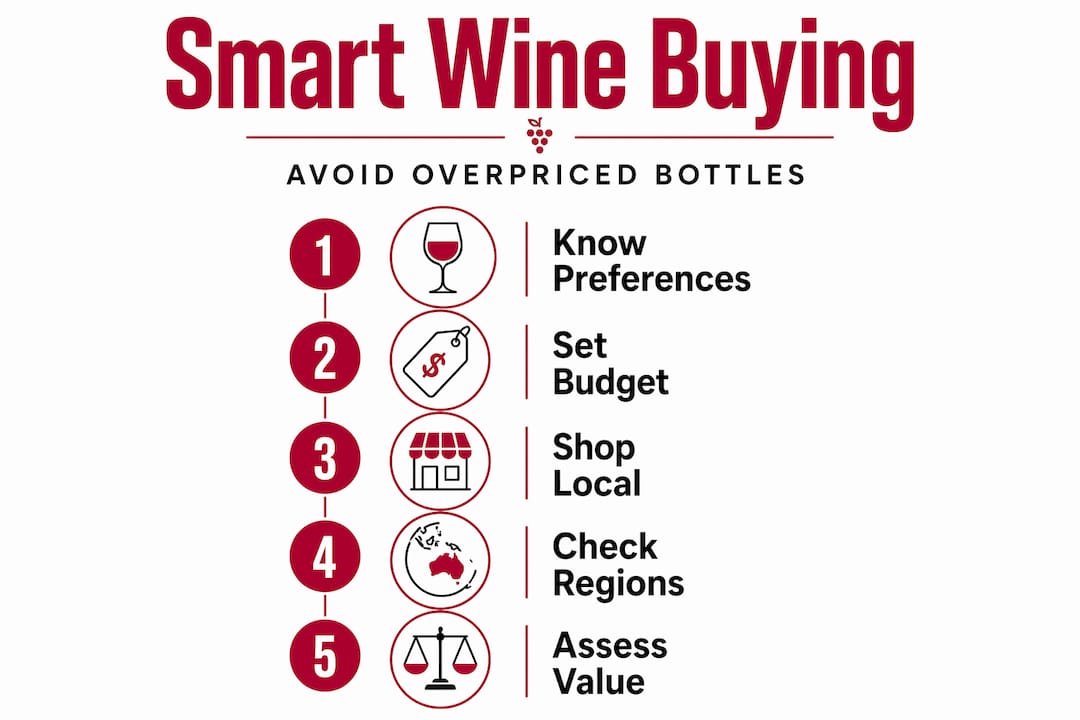
Start by getting curious about your own palate. Do you prefer wines with bright acidity or something rounder and fuller? Are you drawn to bold tannins in a Shiraz, or do you lean toward the smooth, fruit-forward style of a Pinot Noir? These are not trivial questions. They are the foundation of every good purchase you will ever make.
One of the best ways to figure this out is by starting with a tasting set. A 6-bottle starter set covering different styles from whites to reds to sparkling gives you real reference points without committing to a full case of something you might not love. Spending $12 to $35 per bottle across a range of styles costs you far less than repeatedly buying the wrong thing.
Keep a simple log. Jot down what you liked, what fell flat, and why. Acidity too high? Tannins too grippy? Over time, this becomes your personal buying guide. It replaces the guesswork with genuine preference.
- Note the region, grape variety, and producer for every bottle you enjoy
- Record the price so you develop a personal sense of value at each price point
- Track what you did not enjoy as much as what you did, because ruling things out saves money too
- Use your notes when speaking to a wine merchant or sommelier
Pro Tip: Attending a local winery tasting or a merchant’s tasting event costs very little and teaches you more in two hours than months of random bottle buying. It is active wine education that genuinely moves you beyond brand-driven decisions.
Setting a per-bottle budget before you walk into any shop is equally powerful. Decide what you are happy to spend for a Tuesday night dinner wine versus a special occasion bottle. Once those brackets exist in your mind, you stop drifting upward because a bottle looks expensive and therefore trustworthy.
Where and how to shop smart
Smart wine shopping tips come down to one core principle: buy from people who know wine, not just people who sell it.
Big liquor chains have buying power, sure, but their floor staff rarely know the difference between a left-bank and right-bank Bordeaux, let alone whether a particular bottle is worth the sticker price. Independent wine merchants are a different story. They source with intent, taste before they stock, and genuinely care whether you come back. That knowledge is worth far more than any loyalty points programme.
Build a relationship with a merchant who understands your preferences. According to research on sommelier buying habits, trusted retailers recommend bottles worth the extra cost rather than merely expensive ones. That distinction matters enormously.
When it comes to finding good wine deals, geography is your friend. Certain regions consistently punch above their weight on value.
| Region | Key varietals | Typical price range |
|---|---|---|
| Rioja, Spain | Tempranillo | $12 to $25 |
| Mendoza, Argentina | Malbec | $10 to $22 |
| Columbia Valley, USA | Cabernet, Riesling | $14 to $28 |
| Barossa Valley, Australia | Shiraz, Grenache | $15 to $30 |
| Languedoc, France | Grenache, Syrah blends | $12 to $22 |
Producers like Campo Viejo and Catena have built their reputations on delivering well-made bottles under $16. These are not consolation prizes. They are genuinely good wines from regions where land and labour costs allow producers to price honestly.
Online wine price comparison is useful for cross-referencing, but be cautious about buying entirely online without tasting first. Use it to research, not to replace the physical experience of smelling and tasting.
Pro Tip: Sign up for newsletters from two or three independent merchants you trust. Flash deals and end-of-line offers often represent the best value in the market, and you get first access before the bottles disappear. Knowing how wine deals work puts you ahead of casual shoppers every time.
Check the label before you buy. Region, producer, and vintage are all there for a reason. A bottle from a well-regarded producer in a known sub-region tells you far more about quality than an opaque “premium reserve” label with no real detail.
How to spot overpriced wine
Identifying cheap wine in the true sense, meaning wine that offers poor value regardless of what it costs, requires you to look past the packaging and understand the signals. Here is where avoiding wine markups gets practical.
Red flags in a bottle shop
- Heavy, ornate bottles with embossed labels and wax seals. Research confirms that elaborate packaging costs more to produce than it adds to wine quality, and the price you pay reflects the glass, not what is inside it.
- Celebrity-endorsed labels. The wine is priced for the name attached to it, not what is in the glass. This is one of the clearest examples of chasing hype in the wine world.
- Vague marketing language with no specific regional or producer information. Words like “smooth and easy drinking” on their own tell you nothing useful.
- Bottles from obscure producers priced above well-known benchmark bottles from the same region. If you are paying more than a Campo Viejo Gran Reserva for an unknown Rioja, you need a compelling reason why.
Red flags on a restaurant wine list
Restaurant markups are where even experienced drinkers get caught out. Wine price comparison between retail and restaurant is jarring once you start doing it regularly.
A minimum glass price over $24 is a strong signal that the list is built around margin rather than value. Lists dominated by commercial brands you can find at any bottle shop are another warning sign. You are paying restaurant price for a bottle you could have brought yourself for a third of the cost.
Look instead for lists that include regional detail, a range of price points, and wines you have not seen before. A sommelier who asks what you like before recommending is almost always a good sign. One who steers you straight to the second-most expensive bottle without asking a single question is not working in your interest.
The wine value assessment of any restaurant list is simple: if every bottle is from a major commercial producer with no boutique or independent options, someone is optimising for margin, not for your enjoyment.
Store it right, drink it better
Buying a great-value bottle and then destroying it through poor storage is the most avoidable mistake in wine. It does not matter whether you spent $18 or $180. The rules are the same.
- Store wine at a stable temperature around 13°C, away from direct sunlight and vibration
- A wine fridge or cool dark space is the minimum standard for anything you plan to hold for more than a few weeks
- Lay bottles with corks on their side to keep the cork moist and prevent oxidation
- Keep wine away from strong odours, heat sources, and areas with temperature fluctuations like near the stove or in a garage
For everyday drinking wines, buy fresh and drink within a year or two. Fresher vintages, typically the last two to three years, offer better quality and value for most affordable bottles. Older inexpensive wine is not a bargain. It is often degraded.
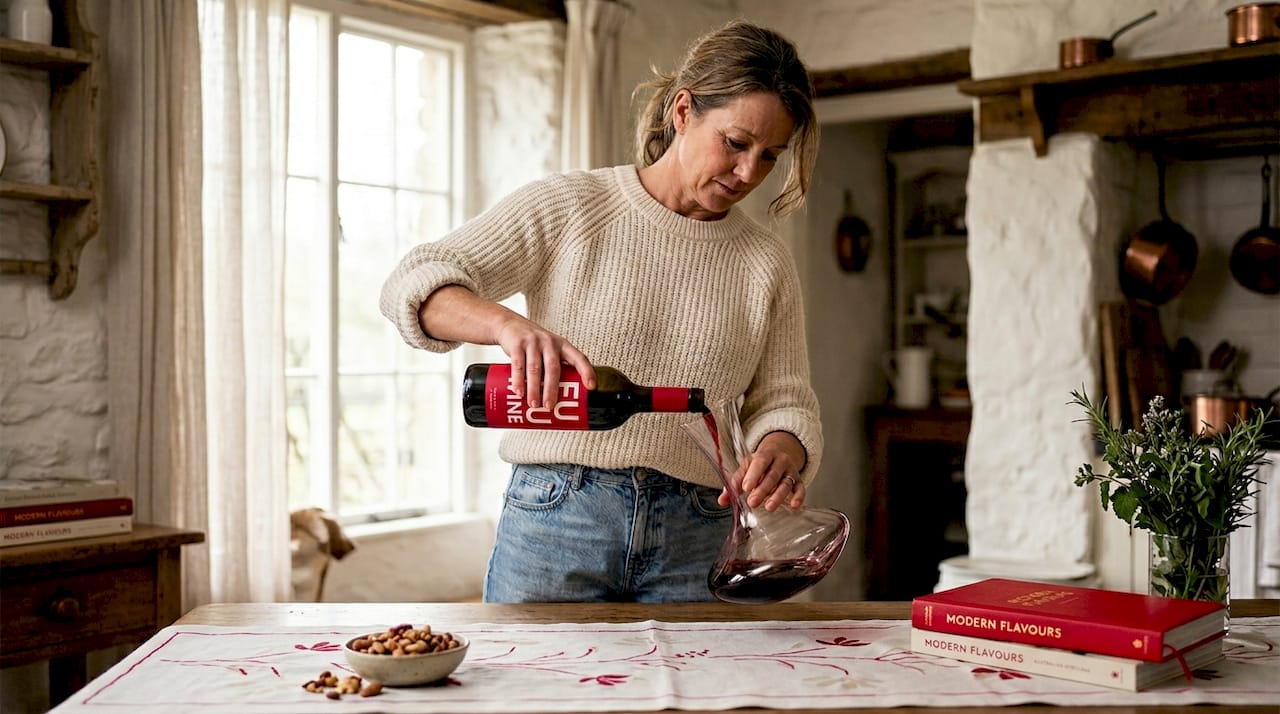
Decanting is worth learning. Young wines benefit from aeration because it softens tannins and opens up the aromatics. Older wines need decanting to separate the sediment. Either way, spending two minutes decanting a bottle elevates the tasting experience in a way that costs you absolutely nothing.
Pro Tip: If you are buying wines to age, understanding the wine investment benefits of proper storage will save you from expensive mistakes down the track. Not all wines improve with age. Most need to be drunk young.
My honest take on overpriced wine
I’ve spent years watching people get taken by the wine industry’s oldest trick: convincing you that price equals quality. It doesn’t. Not even close.
I’ve tasted $200 bottles that were technically impressive but genuinely boring. I’ve had $22 Malbecs from Mendoza that made me want to ring the winery and say thank you. The correlation between price and pleasure is nowhere near as strong as the industry wants you to believe.
What I’ve found actually works is building a relationship with one or two merchants who know their stock and know your palate. I stop in, tell them what I’ve been enjoying, what fell flat, and walk out with something worth opening. Every single time. It’s the opposite of browsing a supermarket shelf hoping the shelf talker is honest.
I’m also a genuine believer in the drink less, drink better philosophy. One outstanding bottle shared properly beats three average ones any night of the week. Once you shift your thinking that way, you stop buying mediocre wine in volume and start spending the same amount on fewer, better bottles.
The other thing I’ve learned: stop chasing celebrity endorsements and auction hype. That is where the worst value in the wine world lives. The wine inside those bottles is almost never the reason for the price.
— Damien
Find premium wine without the premium rip-off
If everything in this article resonates with you, FU Wine was built for exactly this moment.
FU Wine exists to flip the script on overpriced wine. Every bottle in their collection is sourced for quality and value, not for the label or the hype. We’re talking rare releases, boutique producer runs, high-scoring vintages, and cellar clearances at prices that would make your usual bottle shop uncomfortable. Discounts of 30 to 70 percent below traditional retail are not unusual here. Browse the full wines collection and you will quickly see what shopping without the markup actually feels like. For anyone who’s had enough of paying for fancy packaging and clever marketing, this is the place to start.
FAQ
What is the easiest way to avoid overpriced wine?
The simplest method is to focus on value regions like Rioja, Mendoza, and the Barossa Valley, and buy from independent merchants who taste before they stock. Avoid bottles with heavy packaging and celebrity branding.
How do I know if a restaurant wine list is overpriced?
A minimum glass price over $24 is a reliable signal of excessive markups. If the list is dominated by well-known commercial labels you can buy cheaply at any bottle shop, you are paying restaurant margin, not quality.
Does an expensive bottle always mean better wine?
No. Price reflects production costs, marketing, packaging, and brand reputation as much as quality. Many excellent bottles sit in the $15 to $30 range, particularly from producers in Mendoza and Rioja.
How should I store wine to protect its value?
Store at around 13°C in a dark, stable environment away from light and vibration. Lay corked bottles on their side. A dedicated wine fridge is ideal for anything you plan to keep longer than a few weeks.
What are the warning signs of overpriced wine in a bottle shop?
Heavy ornate bottles, celebrity endorsements, vague label language with no regional detail, and prices significantly above comparable bottles from the same region are all signs you are paying for presentation rather than quality.