

The role of critics in wine buying decisions
TL;DR:
- Wine critics influence buying decisions by shaping perceptions of quality and market value through score compression and educational reviews. Their ratings guide trade, investment, and consumer choices, but personal taste and critical context remain essential for meaningful enjoyment. Understanding their role helps buyers navigate market dynamics and select wines aligned with their preferences confidently.
Most wine buyers assume critics exist to tell them what to buy. Point to a score, hand over the cash, job done. But the role of critics in wine buying runs a lot deeper than a number stamped on a shelf tag. Critics shape how we taste, what we value, which wines get discovered, and even what we pay. Understanding that influence makes you a sharper buyer and a more confident drinker. This guide breaks down exactly how critic culture works, where it helps you, and where it pays to trust your own glass.
Table of Contents
- Key takeaways
- How the role of critics in wine buying actually works
- Critics as teachers, not just tastemakers
- How critics influence the wine market and prices
- Using critic ratings effectively when you buy
- My take on critics after years of buying wine
- FU Wine: quality and scores without the nonsense
- Common questions
Key takeaways
| Point | Details |
|---|---|
| Scores are compressed, not absolute | The 100-point scale functionally runs 80 to 100, so small differences carry outsized market weight. |
| Critics educate, not just rate | Wine tasting reviews teach how to recognise regional styles, grape expressiveness, and quality signals. |
| Consensus beats a single score | Combining multiple trusted critic ratings produces a more reliable quality estimate than one score alone. |
| Market prices follow critic scores | High scores drive up allocation, pricing, and resale values, especially in fine wine investment circles. |
| Personal taste still wins | Use ratings as a quality filter, not a style prescription. Your palate is the final say. |
How the role of critics in wine buying actually works
Critics score wines. That part is obvious. What most people miss is how the scoring machinery actually functions and what a number really represents once it leaves the tasting room.
The dominant tool is the 100-point scale, made famous by Robert Parker in the 1980s and adopted across most major publications since. On paper, it sounds like a wide range. In practice, scores below 80 are rarely published, which compresses the functional scale to a 20-point range between 80 and 100. That means the gap between 87 and 91 is not a casual difference. It is the difference between a wine sitting on a shelf and one being fought over by collectors and restaurants.
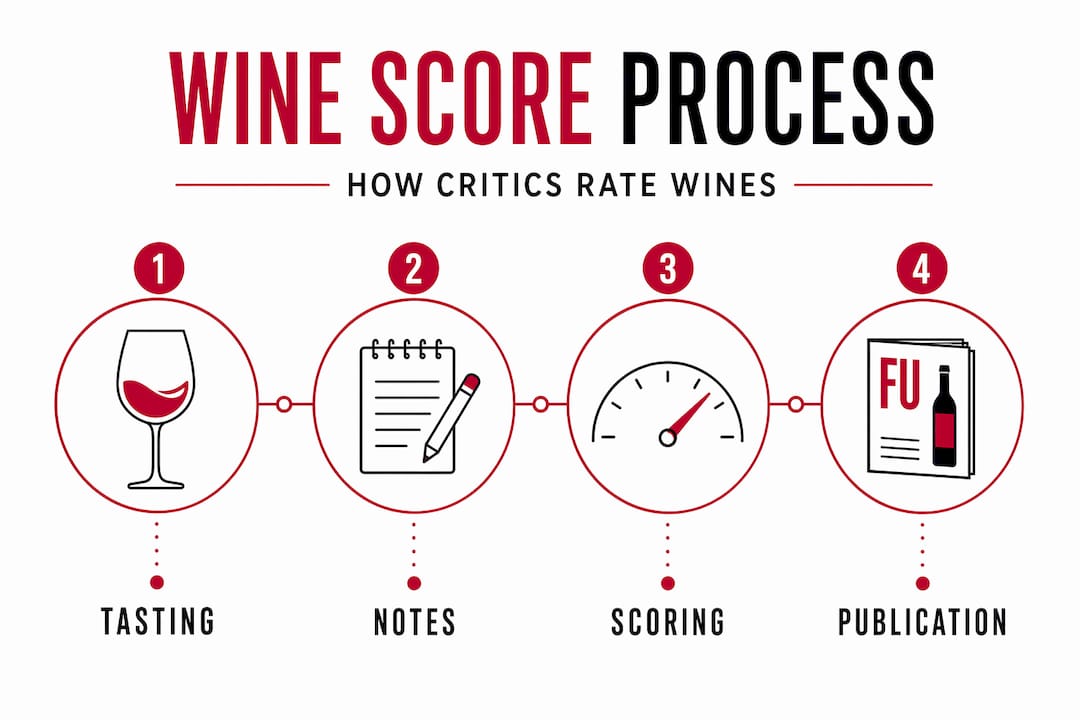
Trade professionals use these scores as shorthand. A buyer for a major retailer does not always have time to taste 600 wines before placing orders. A critic’s score becomes a trust proxy, filtering enormous volumes of wine into something purchasable. For consumers, scores serve a similar purpose but with an added layer of cultural confidence. “It got 95 points” communicates expertise without requiring you to explain it.
The limitations are real though. Expert ratings carry systematic biases, meaning a single critic’s score reflects their individual palate, their preferences for certain styles, and even the order wines were tasted. Combining scores from multiple trusted critics produces a more reliable read on quality and better predicts market price than any single rating.
- Scores work best as quality filters, not style guides
- A 93-point Burgundy and a 93-point Barossa Shiraz share a score, not a personality
- Tasting notes sitting next to scores matter more than most buyers realise
- Small score differences carry big weight in trade, allocation, and resale
Pro Tip: Before acting on a score, check which critic issued it and whether their stylistic preferences align with yours. A critic who favours big, tannic reds will score elegant, low-alcohol wines differently than one who champions them. Learning which critics match your palate is time well spent.
For a detailed breakdown of how wine scores are generated and what they signal, understanding wine scoring is worth a read before you spend serious money.
Critics as teachers, not just tastemakers
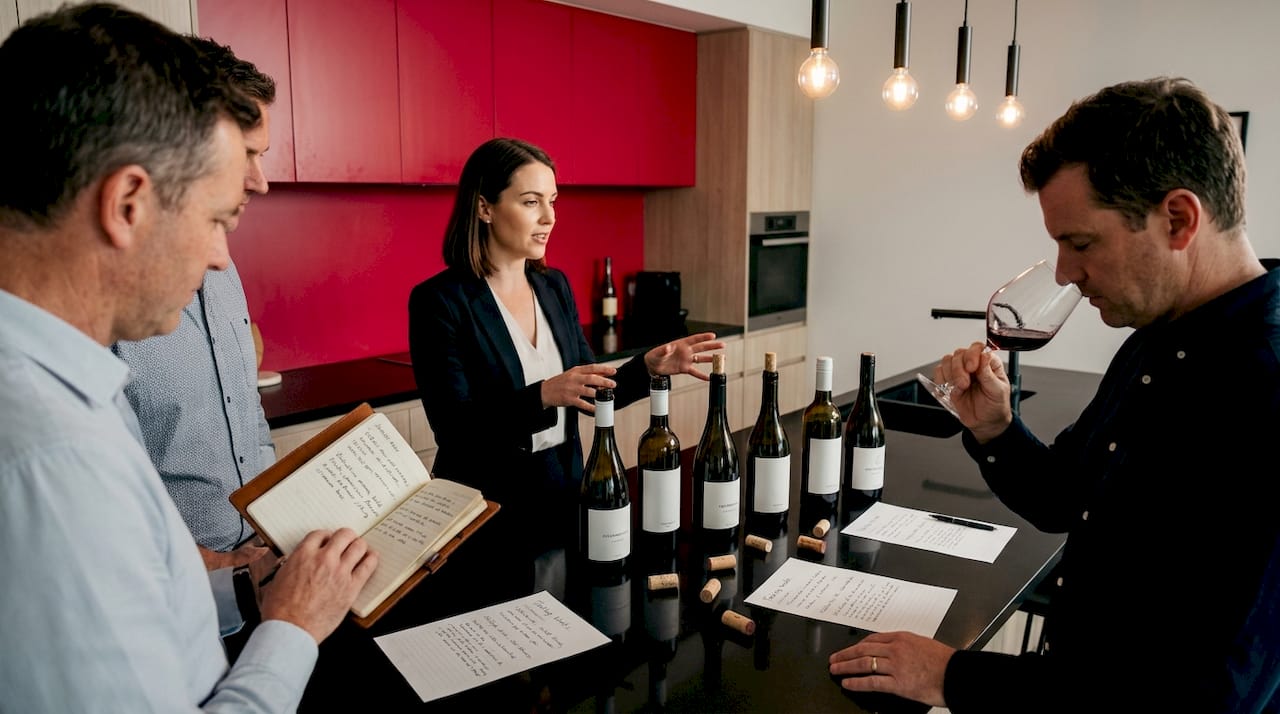
Here is the part that gets lost in the noise around scores. Wine criticism’s primary role is educating how to taste and appreciate wine, not just guiding purchases. The tasting review is a form of translation, taking a sensory experience that is genuinely difficult to articulate and making it legible to someone who was not in the room.
When a critic describes a Chablis as “taut with saline minerality and green apple precision,” they are not just showing off vocabulary. They are teaching you what to look for, what the region’s style prioritises, and why that particular expression matters in the context of Chardonnay broadly. That kind of framing shifts how you taste. You go from passive drinking to active noticing.
“Wine criticism enriches the wine community by discovering, naming, and making differences legible, sustaining shared standards and dialogue.” — Food and Wine Aesthetics
The importance of wine critics as educators shows up clearly when you consider how expressive tasting works. Rather than ticking off a checklist of aromas, expressive tasting focuses on the dynamic interplay of a wine’s characteristics, its texture, its energy, its sense of place. Critics who write well about this help you build a mental library of wine experiences that no score alone can construct.
This cultural function matters beyond the individual bottle. Critics help sustain shared language in the wine community. They name styles, spotlight overlooked regions, and give producers working outside mainstream preferences a platform. Without that, wine culture becomes purely transactional. You buy scores, not stories.
How critics influence the wine market and prices
The impact of reviews on wine sales is not subtle. It is structural. A 95-plus score from a major publication can push a producer’s allocation into a waiting list overnight. Prices on secondary markets respond within days. For fine wine investment, critic scores function as financial signals, guiding pricing, allocation decisions, and resale values well beyond what any individual drinker’s experience of the wine might justify.
This creates some genuinely awkward dynamics in the market. A wine that scores well with a critic who favours a particular style gets commercially rewarded, regardless of whether it reflects the region’s traditional character. Producers start making wine for critics’ palates rather than for their terroir. Scores can marginalise non-mainstream styles and push buying behaviour toward a narrowing band of wine types that reliably score well.
For buyers watching their budget, the value-focused side of critic culture is genuinely useful. In the current market, the $15 to $30 per bottle segment grew 1% while lower-priced wines declined 5%, showing that value-conscious reviews help shoppers navigate toward quality without overspending. Critics who flag excellent bottles at honest prices perform a real service in a market that has made premium wine feel financially untouchable.
| What critics drive | Practical effect |
|---|---|
| High scores on allocated wines | Price spikes, waiting lists, secondary market activity |
| Value-focused reviews | Increased sales in the $15 to $30 price range |
| Attention to boutique producers | Discovery of lesser-known regions and styles |
| Stylistic preference in scores | Producer behaviour shifting toward favoured wine styles |
Spotting value buys becomes a lot easier when you understand that critics’ impact on wine preferences extends beyond the top-scored bottles. Wines scoring 88 to 92 from smaller producers often represent extraordinary value precisely because the market has not yet priced in the score.
The authority of individual critics is also less dominant now than it was 20 years ago. Consumers today weigh expert ratings alongside platforms like CellarTracker, social media recommendations, and their own values around sustainability and producer ethics. Critics still matter. They just no longer hold a monopoly on influence.
Using critic ratings effectively when you buy
Knowing how critics work gives you power. The trick is using that knowledge without outsourcing your enjoyment entirely to someone else’s palate.
- Use scores as quality filters, not commands. A wine scoring 90-plus has passed a credibility threshold. That does not mean you will love it. Check the tasting notes for style cues before buying.
- Track the critics whose palates align with yours. If you consistently enjoy wines one particular critic rates highly, that critic’s recommendations become genuinely useful to you. If another critic’s top picks leave you cold, note that too.
- Read the notes, not just the number. A tasting description tells you whether a wine is structured or soft, bold or delicate, intended to drink now or age. That information is more relevant to your actual enjoyment than a two-digit number.
- Cross-reference with crowd sources. Younger consumers increasingly rely on blended sources including social media, peer reviews, and personal values alongside expert ratings. Tools like CellarTracker aggregate thousands of tasting notes and give you a sense of how a wine performs across many palates.
- Consider the wine’s story. Producer values, farming practices, regional context. These factors do not show up in a score but they often explain why a wine tastes the way it does.
Pro Tip: If you are a retailer or run a wine business and want to use a critic’s score in your marketing materials, tread carefully. Authorised use typically requires explicit permission or membership in a trade programme. Printing a score without authorisation can violate copyright. Always check the publication’s usage policy first.
For buyers wanting to find quality wines at honest prices, learning to read both the score and the context around it is one of the most useful skills you can develop.
My take on critics after years of buying wine
I have spent a long time watching how critics influence wine buying decisions. And honestly, the relationship people have with wine scores is a bit like having a brilliant but opinionated friend who always insists on paying at restaurants. Useful, occasionally annoying, and best taken with a grain of salt.
What I have observed is this: the critics who genuinely improve your drinking life are the ones who teach you something. Not the ones who hand you a score and move on, but the ones whose notes make you pick up a glass and think differently about what is in it. That is the real consumer trust in wine critics worth cultivating.
The shift I find most interesting right now is how fragmented the information landscape has become. A decade ago, a Parker score could move a market. Today, a single critic’s opinion gets weighed against dozens of other signals. I think that is mostly healthy. It means producers who make honest, distinctive wine have more paths to recognition than they once did.
Where I think buyers still go wrong is treating a high score as a guarantee of personal enjoyment. It is not. It is a data point. A useful one, but not the whole picture. The wine critics who serve their audiences best are the transparent ones. Those who acknowledge their stylistic preferences, explain their reasoning, and invite disagreement. Seek those ones out. They will make you a better buyer, not just a better collector.
— Damien
FU Wine: quality and scores without the nonsense
Here is the thing. Understanding the role of critics in wine buying is genuinely useful. But it is even more useful when you have access to wines worth forming an opinion about in the first place.
FU Wine exists because premium wine should not require a trust fund or a hotline to the right importer. The collection at FU Wine spans high-scoring releases, boutique producer runs, and cellar-aged bottles sourced through direct relationships and opportunistic buying. These are not discount bin wines. They are desirable bottles available at prices the usual gatekeepers would prefer you did not see.
Explore the FU Wine wines collection and find your next great bottle. Flash deals, limited releases, and the occasional find that would make a critic sit up straight. No inflated markups. No pretension. Just seriously good wine at prices that feel like a rebellion.
Common questions
What does the 100-point wine scoring scale actually mean?
The 100-point scale functionally runs from 80 to 100 because scores below 80 are rarely published. This compressed range means even a small difference between scores carries significant weight in how trade professionals and collectors respond to a wine.
Do wine critics really influence what people buy?
Yes, significantly. Critic scores function as market signals that drive pricing, allocation decisions, and secondary market values for fine wines. At the everyday level, value-focused reviews help buyers identify quality bottles in the $15 to $30 price range where the market is most active.
Should I trust a single critic’s score?
Not entirely. Expert ratings carry individual biases based on palate preferences and tasting conditions. Using consensus scores across multiple trusted critics produces a more reliable quality estimate than relying on any single rating.
How are younger wine buyers using critic scores differently?
Younger consumers rely less on individual critic scores and more on a blend of expert ratings, crowd-sourced platforms like CellarTracker, social media, and personal values around sustainability and producer ethics.
Can I use a critic’s score to market my wine or retail business?
Only with permission. Authorised use requires explicit approval from the publication or membership in their trade programme. Using a score in marketing materials without that permission can constitute copyright infringement.