

Unlock exclusive wine access: rare bottles and savings
TL;DR:
- Exclusive wine access relies on scarcity channels like allocations, clubs, and direct purchases.
- Prioritize quality and terroir over brand prestige when seeking value in rare wines.
- Building relationships with curators and understanding costs helps unlock genuine savings and avoids hype.
You already know the feeling. You spot a bottle that’s supposed to be extraordinary, track it down, and find out it’s either sold out, invitation-only, or priced like a small car. Premium wine has always had a velvet rope problem. The good stuff sits behind allocations, private lists, and markups that have nothing to do with what’s actually in the glass. But here’s the thing: quality and terroir matter far more than a label’s prestige, and the smartest wine lovers have figured out how to get past the rope without paying the cover charge. This guide breaks down exactly how to do that.
Table of Contents
- Understanding exclusive wine access: insider essentials
- What you need: prerequisites for unlocking rare wine
- Step-by-step: how to access exclusive wines like a pro
- Avoiding pitfalls: mistakes, markups, and investment fees
- Verifying value: how to assess your exclusive wine access
- A fresh perspective: why smart wine access is about quality, not hype
- Discover premium wine deals and curated collections
- Frequently asked questions
Key Takeaways
| Point | Details |
|---|---|
| Prioritise quality over prestige | Choosing producers based on terroir and curation delivers real value, not just branded hype. |
| Leverage curated clubs | Curated wine clubs and allocations offer immediate access and genuine discounts on rare bottles. |
| Watch for hidden costs | Storage, shipping, and investment fees can erode much of the savings if not managed carefully. |
| Regularly review results | Track your actual savings and enjoyment to optimise your next exclusive wine purchase. |
Understanding exclusive wine access: insider essentials
So what does “exclusive access” actually mean? It’s not just about expensive wine. It’s about scarcity, curation, and the channels that control who gets what.
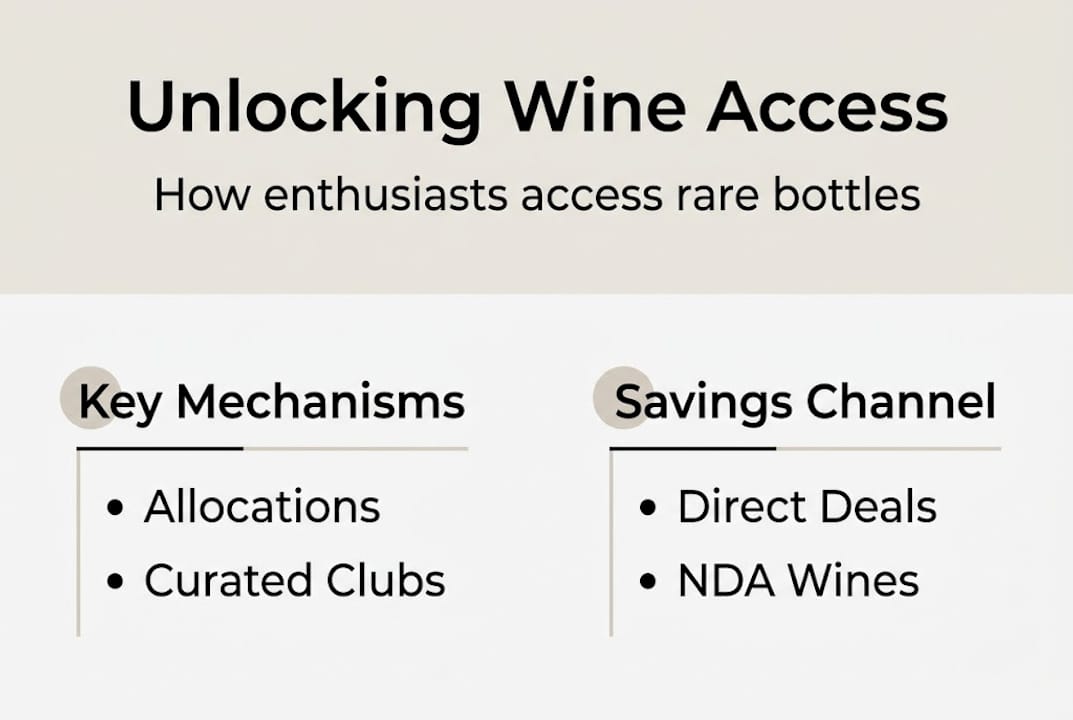
Wine access works through a few key mechanisms. Allocations are when a producer releases a limited quantity, often to a mailing list or loyal buyers first. Curated clubs select bottles based on quality criteria and pass them on to members, sometimes at significant discounts. Auctions offer rare bottles but come with their own complications, which we’ll get to. Direct purchase from producers or trusted importers cuts out the middlemen entirely.
The real insight here is that lesser-known producers often deliver extraordinary quality at a fraction of the price of famous labels. A small-batch Shiraz from a boutique Barossa producer can outperform a trophy Napa Cab in a blind tasting. The difference is marketing spend, not wine quality. Understanding wine curators and access is the first step toward smarter buying.
Reputable clubs filter their offerings by quality and terroir, not hype. They do the legwork: tasting, vetting, and sourcing so you don’t have to. Curated platforms like Wine Access offer empirical discounts such as saving $25 on first shipments and 10% off purchases on premium wines selected from lesser-known producers. That’s real money on real quality.
For a clearer picture, here’s how the main access types compare:
| Access type | Availability | Typical discount | Risk level |
|---|---|---|---|
| Curated club | Immediate | 10 to 30% | Low |
| Producer allocation | Waitlist required | 15 to 40% | Low to medium |
| Auction | Open but competitive | Variable | Medium to high |
| Direct purchase | Varies | Up to 50%+ | Low if vetted |
Understanding distribution for premium collectors helps you see why some channels deliver better value than others.
Watch out for fake exclusivity. Some platforms dress up ordinary wine in scarce-sounding language to justify inflated prices. If a club can’t clearly explain how it selects its wines, that’s your cue to walk away.
What you need: prerequisites for unlocking rare wine
With the essentials of exclusivity in view, it’s time to assess what you’ll need for successful access to top-tier bottles.

First, sort your budget. Most quality clubs have minimum purchase requirements, often three to six bottles per shipment. That’s not a trap; it’s just how they maintain relationships with producers. Know what you’re comfortable spending per quarter and work backwards from there.
Next, set realistic expectations. Not every bottle will blow your mind, but a well-curated club bats well above average. The key is staying open to producers you haven’t heard of. That openness is literally where the value lives.
Here’s what you genuinely need before diving in:
- A quarterly budget you can commit to without stress
- Flexibility to try unfamiliar regions and grape varieties
- Some storage space, even a basic wine fridge works fine
- Willingness to research a platform’s curation process before joining
- Patience if you’re eyeing ultra-exclusive lists
Speaking of ultra-exclusive: some clubs like those offering access to Screaming Eagle or Harlan require years-long waits or personal invitations. These are not realistic starting points for most buyers. Accessible platforms offering immediate quality access are a far smarter entry.
When evaluating any platform, look for transparency. Can they tell you who made the wine, where the grapes came from, and why they chose it? If the answer is vague, keep scrolling. Check out this expert wine selection guide for a sharper framework.
Also worth exploring: rare varieties that impress without the eye-watering price tag. Obscure grapes from quality-focused producers are where the best value hides.
Pro Tip: Prioritise terroir and producer philosophy over prestige every single time. A winemaker obsessed with their soil and craft will almost always outperform a famous label coasting on its reputation.
Step-by-step: how to access exclusive wines like a pro
With your prerequisites in place, you’re ready to start the step-by-step process for true exclusive wine access.
- Join a quality-first curated club. Start here. A good club gives you immediate access to vetted bottles, often at genuine discounts, without needing connections or a famous surname.
- Set alerts for allocation releases. Many producers and importers announce drops via email or social media. Sign up and be ready to move fast. Allocations sell out quickly.
- Engage with curators directly. Ask questions. A great curator loves talking about their selections. This relationship pays dividends over time, including early access and heads-up on special releases.
- Understand the minimums. Know what each platform requires before committing. Some have flexible options; others are more structured.
- Purchase smartly. Don’t buy everything at once. Rotate your sources, compare pricing, and track what you’re actually enjoying.
For context on pricing, here’s a quick comparison:
| Channel | Retail price | Club or allocation price | Saving |
|---|---|---|---|
| Napa Cab (premium) | $180 | $80 to $95 | Up to 55% |
| Boutique Barossa Shiraz | $90 | $55 to $65 | Up to 40% |
| Curated club selection | $120 | $85 to $100 | Up to 30% |
Expert buying advice emphasises prioritising producer quality and terroir over brand hype, with 50 to 64% discounts on rare Napa Cabs available via direct channels versus retail. That’s not a rounding error. That’s a completely different relationship with wine.
Understanding wine allocation explained is genuinely useful here. And once you’re buying regularly, knowing how wine deals work helps you separate genuine bargains from marketing noise.
Pro Tip: Ask platforms about ‘NDA wines.’ These are unlabelled bottles from top producers sold under non-disclosure agreements at significantly lower prices. The wine is identical to the prestige release. The savings are very real.
Avoiding pitfalls: mistakes, markups, and investment fees
Once you’re equipped with a plan, it’s crucial to understand the roadblocks and how to dodge them.
Hidden costs are the silent deal-killers. Before you celebrate a great discount, factor in:
- Shipping fees, which can add $15 to $30 per delivery
- Storage costs if you’re cellaring for the long term
- Import duties and taxes on international purchases
- Annual or monthly membership fees on some platforms
- Insurance for high-value bottles in transit
Auctions deserve a special mention. They can surface genuinely rare bottles, but the risks are real. Provenance is hard to verify. Buyer’s premiums can add 20 to 25% on top of the hammer price. And counterfeit wine, while not rampant, does exist in premium markets. Stick to reputable auction houses and always ask for storage history.
On the investment side, be honest with yourself about your goals. Are you buying to drink and enjoy, or to hold and sell?
“En primeur buying for long-term quality ageing can make sense, but investment costs including storage and fees often erode the discount advantage, making auctions with high premiums a risky play for most buyers.”
For most enthusiasts, drinking and sharing the wine is the better return on investment. Direct allocations and curated clubs remain the safest path to genuine value, with transparent pricing and known provenance. Explore the real wine investment benefits and learn how to sharpen your eye for spotting value buys before committing serious money.
Verifying value: how to assess your exclusive wine access
Finally, let’s ensure your effort pays off by measuring value and refining your approach for continued success.
Tracking your savings sounds boring. It’s actually satisfying. Here’s what to monitor:
- The retail price versus what you paid through your club or allocation
- Any club discounts applied at checkout
- Storage and shipping costs subtracted from the headline saving
- Tasting notes and scores to assess whether the quality matches the promise
Keep a simple spreadsheet or even a notes app entry for each purchase. Over time, patterns emerge. You’ll see which platforms consistently deliver and which ones inflate their “original retail” prices to make discounts look bigger than they are.
Curated platforms like Wine Access offer concrete savings such as $25 off first shipments and 10% on ongoing purchases, which adds up meaningfully across a year of buying. That’s the kind of empirical benchmark worth tracking against your own purchases.
Reviews and tasting notes from trusted sources help you calibrate expectations. Storage receipts matter too, especially if you’re cellaring bottles and want to track their journey. Explore cellar-aged examples to understand what proper ageing can do for a bottle’s value and flavour.
Reassess your suppliers every six months. Platforms evolve, producers change winemakers, and deals shift. Staying curious and critical keeps your cellar sharp and your spending smart.
A fresh perspective: why smart wine access is about quality, not hype
Here’s something the traditional wine industry doesn’t want you to sit with too long: the prestige attached to famous labels is largely a marketing construct. It’s not a lie exactly, but it’s not the whole truth either.
We’ve seen bottles from unknown producers in overlooked regions outperform celebrated names in blind tastings, repeatedly. The terroir was exceptional. The winemaker was obsessed. The price was a fraction of the famous alternative. The only thing missing was the famous name on the bottle.
True exclusivity isn’t about scarcity manufactured by a marketing team. It’s about quality curation by people who genuinely know wine. When you find a trusted curator with expert perspectives on selection, you gain access to a world the hype cycle never reaches.
Build those relationships. Ask hard questions. Reward the platforms that answer honestly. That’s how you outsmart the market, drink better, and spend less. Every bottle is a small rebellion against paying for a story instead of what’s in the glass.
Discover premium wine deals and curated collections
If you’re ready to put this guide into practice, here’s where to find your next exclusive bottle.
At FU Wine, we’ve built something specifically for people like you. Quality-first, terroir-driven, and priced without the pretension. Our curated wine collections feature rare bottles, boutique producer runs, and high-scoring vintages at prices that make sense.
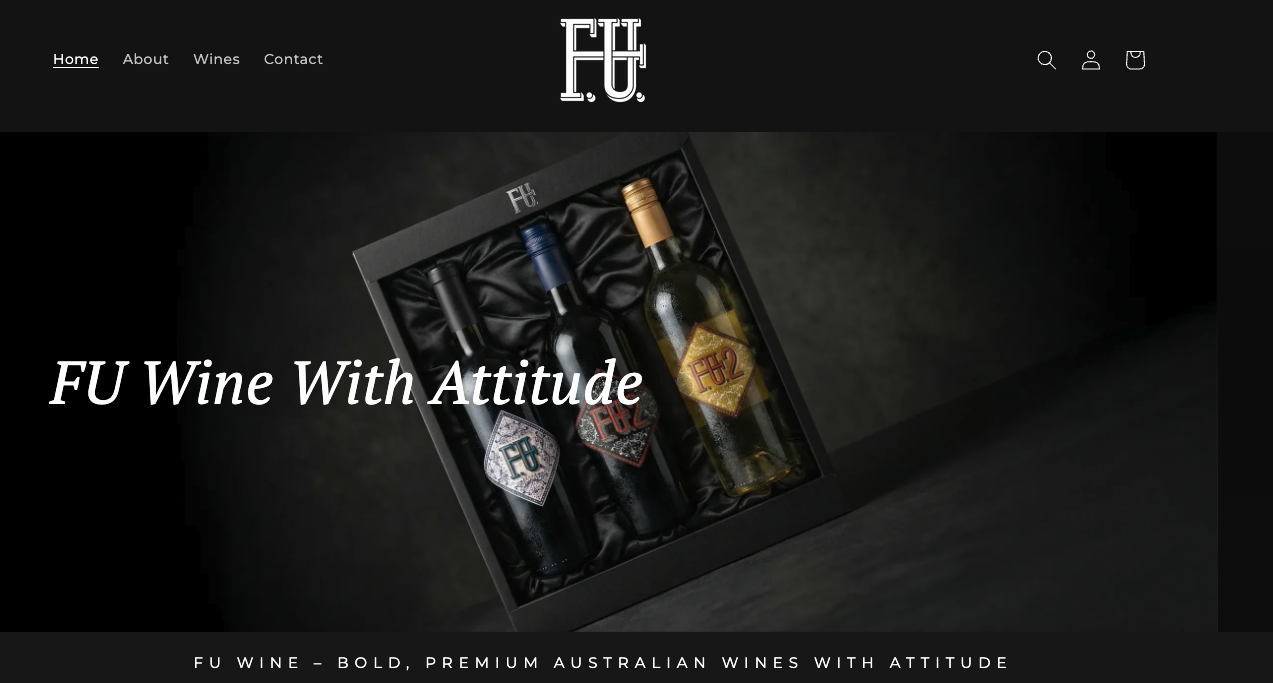
We source opportunistically, which means genuine discounts on genuinely desirable wine. No filler, no inflated “original retail” tricks, no gatekeeping. Just premium bottles at prices that feel like a win every time. Browse the latest drops and find something worth opening tonight.
Frequently asked questions
What is the fastest way to access rare wines?
Quality-focused curated clubs and platforms offer immediate access to rare wines without years-long waitlists or invitations. Platforms like Wine Access deliver discounts on premium selections from lesser-known producers from the moment you join.
Are discounts on rare wines genuine?
Direct allocations and curated clubs often deliver real savings, with 50 to 64% discounts on rare Napa Cabs via direct channels versus retail, though shipping and storage costs should always be factored in.
What is an ‘NDA wine’ and is it worth exploring?
‘NDA wines’ are premium bottles from top estates sold under non-disclosure agreements at lower prices and can offer exceptional value if you trust the platform’s curation. Platforms handling curation often source these gems without the prestige markup.
Is it better to buy for investment or enjoyment?
While some rare wines appreciate in value, investment costs including storage, fees, and auction premiums can erode returns significantly. For most enthusiasts, drinking and sharing offers the greatest and most reliable reward.