

Wines with most alcohol: top 10 highest ABV picks
TL;DR:
- Fortified wines like Port, Sherry, Madeira, and Marsala have the highest alcohol content, reaching up to 22% ABV. Naturally fermented wines from warm regions, such as Zinfandel and Shiraz, typically have an ABV cap of around 16.5%. High residual sugar in fortified wines balances the heat from alcohol, making them more approachable to drink.
Fortified wine is the wine with most alcohol, with styles like Port, Sherry, Madeira, and Marsala regularly reaching 19%–22% ABV. That puts them in a completely different league from your average bottle of Shiraz. If you want to understand what drives alcohol levels up, which bottles sit at the top, and how to actually enjoy them without blowing your palate, you’re in the right place. This guide covers the full spectrum, from bold natural reds to the most potent fortified styles on the planet.
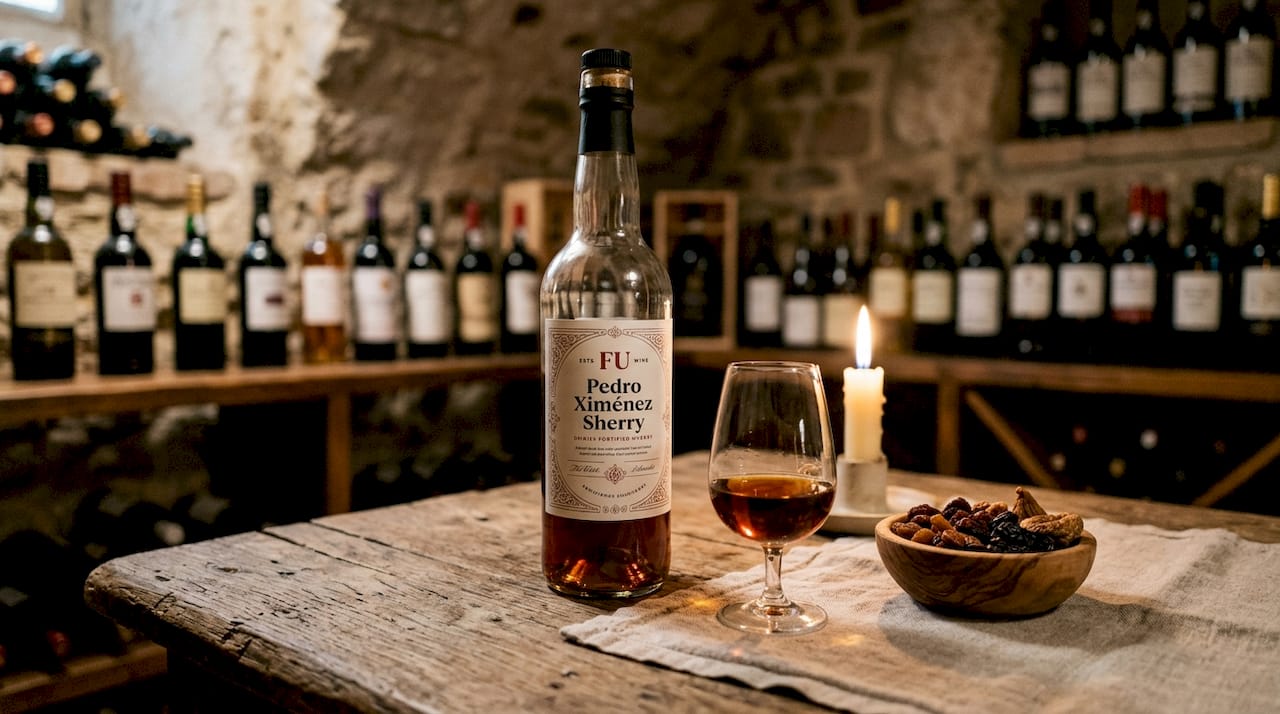
What are fortified wines and why do they have the highest alcohol content?
Fortified wine is defined as any wine that has had neutral grape spirit added during or after fermentation. That single step is what separates a 14% Grenache from a 20% Tawny Port. The added spirit stops fermentation before all the sugar converts to alcohol, which means the finished wine retains both sweetness and a significantly elevated ABV.
Yeast naturally dies off at around 15%–16.5% ABV. Once the yeast is dead, fermentation stops and no more alcohol can be produced. Fortification bypasses this ceiling entirely by introducing spirit after the yeast gives up, pushing the final ABV well beyond what nature alone can achieve.
The most recognised fortified styles are:
- Port (Portugal): Rich, sweet, and typically 19%–22% ABV. Ruby, Tawny, and Vintage styles all fall here.
- Sherry (Spain): Ranges from bone dry Fino at around 15% to luscious Pedro Ximénez at 17%–20%.
- Madeira (Portugal): Oxidised and nutty, usually 17%–20% ABV, and practically indestructible once opened.
- Marsala (Italy): Used heavily in cooking but also excellent as a sipper, sitting at 15%–20% ABV.
These wines are built for sipping slowly. Their intensity rewards patience. A small pour of Vintage Port after dinner does more work than a full glass of table wine, and the flavour complexity more than justifies the experience.
Pro Tip: Serve fortified wines slightly chilled, around 14–16°C. Room temperature in an Australian summer will make the alcohol feel harsh and the sweetness cloying.
Which naturally fermented wines have the highest alcohol content?
Natural fermentation tops out at around 16.5% ABV, but getting close to that ceiling requires the right grape variety, the right climate, and a winemaker willing to let fruit ripen fully. Warm-climate varietals like Zinfandel, Grenache, and Shiraz regularly push into the 14%–16.5% ABV range without any fortification at all.
The science is straightforward. Riper grapes contain more sugar. More sugar means more fuel for yeast. More fuel means more alcohol. Regions with long, hot growing seasons, think the Barossa Valley in South Australia, the Rhône Valley in France, or Lodi in California, consistently produce grapes with sky-high sugar levels at harvest.
Here is what drives natural alcohol levels up:
- Grape variety: Zinfandel and Grenache have thin skins and accumulate sugar rapidly in heat.
- Climate: Hot, dry regions extend the ripening window without rain diluting the fruit.
- Harvest timing: Leaving grapes on the vine longer concentrates sugars further.
- Winemaking style: Some producers deliberately pick late to maximise ripeness and body.
Barossa Valley Shiraz and McLaren Vale Cabernet Sauvignon are two of the best Australian examples, with alcohol content sitting between 14% and 16%. These are not shy wines. They are dense, full-bodied, and built for red meat and cold nights. A Barossa Shiraz at 15.5% is not trying to be subtle. It is trying to be unforgettable.
Naturally fermented wines at this level also tend to show more fruit concentration, higher tannins, and a longer finish than their lighter counterparts. That intensity is the point. If you are exploring rare warm-climate varietals without wanting to pay boutique-winery prices, the value available in this category is genuinely impressive.
How do sweetness and alcohol strength coexist in dessert and fortified wines?
High alcohol and high sweetness sound like they would cancel each other out. They do not. Fortified wines stop fermentation to retain sugar, which means the finished wine carries both residual sweetness and elevated alcohol simultaneously. The sweetness actually softens the perception of heat, making a 20% ABV wine feel far more approachable than a dry wine at the same strength.
Pedro Ximénez Sherry is the most extreme example. Made from sun-dried Palomino or PX grapes in Jerez, Spain, it reaches 17%–20% ABV while delivering flavours of dried fig, molasses, and dark chocolate. The sugar content is so high that the wine pours like syrup. Yet the alcohol is completely integrated. You barely notice it until you stand up.
Tokaji Aszú from Hungary takes a different route. Botrytis-affected grapes, known as noble rot, concentrate both sugar and flavour compounds before harvest. The resulting wine sits at 14%–16% ABV with extraordinary sweetness and acidity in balance. It is not as strong as a fortified wine, but it punches well above its weight in intensity.
| Wine | ABV Range | Sweetness Level | Best Served With |
|---|---|---|---|
| Pedro Ximénez Sherry | 17%–20% | Very sweet | Blue cheese, dark chocolate |
| Vintage Port | 19%–22% | Sweet | Stilton, walnuts, dried fruit |
| Tokaji Aszú | 14%–16% | Sweet to very sweet | Foie gras, fruit tarts |
| Tawny Port | 19%–20% | Medium sweet | Crème brûlée, pecan pie |
| Madeira (Malmsey) | 17%–20% | Medium to sweet | Coffee desserts, aged cheeses |
Pro Tip: Pour Pedro Ximénez Sherry over good vanilla ice cream. It sounds ridiculous. It tastes extraordinary. The contrast of cold cream and warm, syrupy wine is one of the best dessert pairings in existence.
Top 10 wines with most alcohol: ABV, flavour, and when to drink them
The following list covers the highest alcohol wines across fortified, dessert, and naturally fermented categories. ABV figures reflect typical production ranges.
1. Vintage Port (19%–22% ABV)
Vintage Port is the benchmark for high-alcohol wine. Produced in the Douro Valley, Portugal, it spends years in bottle developing layers of dark fruit, leather, and spice. It is a collector’s wine and a sipping wine. Open it for a special occasion and serve it in small glasses. A 60ml pour is plenty.
2. Tawny Port (19%–20% ABV)
Tawny Port ages in small oak barrels, which oxidises the wine and shifts the colour from deep red to amber. The flavour moves toward dried fruit, caramel, and roasted nuts. A 10-year-old Tawny is one of the most food-friendly fortified wines available, pairing brilliantly with anything nutty or caramel-based.
3. Pedro Ximénez Sherry (17%–20% ABV)
As noted above, PX Sherry is the sweetest and most intense wine on this list. It is not a drink for the faint-hearted. The concentration of flavour is extraordinary, and a small glass is genuinely satisfying. Serve it cold, in a small copita glass, and take your time.
4. Malmsey Madeira (17%–20% ABV)
Madeira is the most resilient wine in the world. Once opened, it can last months without deteriorating because the oxidative winemaking process has already done its work. Malmsey is the sweetest Madeira style, rich with caramel, orange peel, and a distinctive tangy finish. It is also one of the most underrated cellar additions you can make.
5. Marsala Superiore (17%–20% ABV)
Most people know Marsala from cooking, but a quality Superiore or Vergine Marsala is a serious sipper. Produced in Sicily, it carries notes of dried apricot, tobacco, and vanilla. The Vergine style is dry and nutty, closer to a Fino Sherry in character, while Superiore leans sweeter.
6. Barossa Valley Shiraz (14%–16% ABV)
The Barossa is Australia’s home of big, bold red wine. Shiraz from this region regularly hits 15%–16% ABV with flavours of dark plum, black pepper, and smoked meat. It is the strongest wine variety you can find without fortification in the Australian market. Pair it with slow-cooked lamb or a chargrilled ribeye.
7. Grenache (14%–16% ABV)
Grenache is deceptively powerful. It often appears lighter in colour than Shiraz, which tricks people into thinking it is a lighter wine. It is not. Warm-climate Grenache from the Southern Rhône, Priorat in Spain, or McLaren Vale in South Australia regularly reaches 15%–16% ABV with flavours of raspberry, white pepper, and dried herbs.
8. Zinfandel (14%–16.5% ABV)
California Zinfandel, particularly from Lodi and Sonoma, is one of the highest alcohol wines produced without fortification anywhere in the world. At 16.5% ABV, a full-bodied Zinfandel from a warm vintage is genuinely close to the natural fermentation ceiling. The flavour profile runs to blackberry jam, baking spice, and a long, warming finish.
9. Tokaji Aszú (14%–16% ABV)
Hungary’s most famous wine earns its place here for sheer intensity. The botrytis process concentrates sugars to extraordinary levels, and the resulting wine balances sweetness with a bright, cutting acidity. It ages for decades and improves with every year in the cellar.
10. Fino and Amontillado Sherry (15%–17% ABV)
Fino Sherry sits at the drier, lighter end of the fortified spectrum at around 15%–16% ABV. Amontillado, which is an aged Fino, pushes toward 17% with a nuttier, more complex profile. Both are criminally underappreciated and pair exceptionally well with tapas, almonds, and cured meats.
Key takeaways
The wine with most alcohol is fortified wine, with Port reaching up to 22% ABV, while naturally fermented wines like Barossa Shiraz and Zinfandel peak at around 16.5%.
| Point | Details |
|---|---|
| Fortified wines lead on ABV | Port, Sherry, Madeira, and Marsala reach 15%–22% ABV through added grape spirit. |
| Natural wines peak at 16.5% | Warm-climate Zinfandel, Grenache, and Shiraz hit the ceiling of natural fermentation. |
| Sweetness softens alcohol heat | High residual sugar in wines like Pedro Ximénez makes high ABV feel more balanced. |
| Label ABV can vary by 1.5% | Legal labelling margins mean a bottle marked 14.5% may actually contain up to 16% ABV. |
| Serve fortified wines in small pours | A 60ml pour of Vintage Port or PX Sherry delivers full flavour without overloading your palate. |
Damien’s take: strength is a tool, not a trophy
High-alcohol wines are genuinely exciting. But the enthusiasts I respect most are not chasing ABV numbers. They are chasing the experience that high alcohol enables when it is properly integrated.
A 22% Vintage Port from a great Douro producer is one of the most complex, rewarding drinks on earth. But a 16% Zinfandel that tastes like hot jam and nothing else is a waste of a glass. The alcohol level tells you about production method and climate. It does not tell you whether the wine is any good.
The thing that trips people up is the label ABV variance. A wine labelled 14.5% can legally contain up to 16% ABV. That gap matters when you are pouring generously and wondering why the second glass hit harder than expected. Read the label as a guide, not a guarantee.
My honest advice: if you are new to high-alcohol wines, start with a quality Tawny Port or an Amontillado Sherry before going straight to Vintage Port or PX. The flavour complexity is extraordinary and the sweetness makes the strength approachable. Once you have your bearings, the wine tasting process for fortified styles becomes one of the most rewarding skills you can develop as an enthusiast.
Also, food pairing is not optional at this end of the ABV spectrum. A 20% wine without food is a very different experience from the same wine alongside a wedge of Stilton or a plate of dark chocolate. The food grounds the alcohol and lets the flavour do its job.
— Damien
Find your next bold bottle at FU Wine
FU Wine exists for exactly this kind of drinking. The fortified wines, the bold Barossa Shiraz, the rare Grenache from producers who do not advertise. These are the bottles that most retailers mark up aggressively because they know you cannot find them easily. FU Wine cuts through that nonsense. The selection rotates fast, the prices are genuinely aggressive, and the quality does not drop to justify the discount. If you are ready to drink better without paying the premium-label tax, browse the full range and see what is available right now. Life is too short for ordinary wine.
FAQ
What wine has the highest alcohol content?
Fortified wines have the highest alcohol content. Port, Sherry, Madeira, and Marsala typically reach 15%–22% ABV through the addition of neutral grape spirit during production.
What is the strongest wine variety without fortification?
Zinfandel, Grenache, and Shiraz are the strongest naturally fermented wine varieties, regularly reaching 14%–16.5% ABV in warm-climate regions like California’s Lodi, South Australia’s Barossa Valley, and Spain’s Priorat.
Why does fortified wine have more alcohol than regular wine?
Yeast dies at around 15%–16.5% ABV, which caps natural fermentation. Fortification adds grape spirit to push the ABV beyond that ceiling, often to 20% or higher.
Can wine labels be trusted for accurate ABV?
Not entirely. Labelling laws allow a legal variance of up to 1.5%, so a wine marked 14.5% may contain up to 16% actual alcohol.
What food pairs best with high-alcohol wines?
Rich, fatty, or salty foods work best. Vintage Port pairs with Stilton and walnuts, Pedro Ximénez Sherry suits dark chocolate and blue cheese, and Barossa Shiraz is built for red meat and bold flavours.