

Common wine buying mistakes savvy collectors avoid
TL;DR:
- Many common wine buying mistakes, especially at restaurants, lead to expensive overpricing and poor selections. Proper storage, label literacy, and exploring lesser-known regions help avoid waste, maximize value, and enhance enjoyment. Building a thoughtful collection relies on practical habits, understanding preferences, and sourcing quality wines without inflated markups.
You’ve stood in a bottle shop or stared down a restaurant wine list, quietly convinced you’re about to overpay for something you’ll regret. You’re probably right. Common wine buying mistakes cost enthusiasts real money every single year, not because wine is complicated, but because the industry is built on mystique, markups, and the quiet assumption that you don’t know any better. This article cuts through all of that. Whether you’re building a serious collection or just want a brilliant bottle on a Friday night, these are the traps to sidestep and the smarter moves to make instead.
Table of Contents
- Recognise common pricing pitfalls when buying wine
- Avoid storage mistakes that degrade wine value and quality
- Learn to read labels and understand your taste preferences
- Choose wines from lesser-known regions to avoid inflated prices
- Build a smart wine collection with practical buying habits
- Comparing common wine buying mistakes: a summary table
- Why most wine buying advice misses the mark: a fresh perspective
- Discover premium wines without the inflated prices at FU Wine
- Frequently asked questions
Key Takeaways
| Point | Details |
|---|---|
| Beware markup traps | Restaurants often charge 200-300% more for wine, so scrutinise prices carefully. |
| Store wine properly | Keep wine at stable 13°C and good humidity to preserve quality and value. |
| Read labels smartly | Understanding labels and preferences helps avoid impulsive mistakes. |
| Explore lesser-known regions | Try wines from nearby regions to famous appellations for better value. |
| Build collection wisely | Buy cases of favourites and avoid keeping wines you no longer enjoy. |
Recognise common pricing pitfalls when buying wine
Let’s start where it hurts most: your wallet. Restaurant wine lists are one of the most reliable places to get stung. Restaurants markup wines by 200 to 300%, meaning that $40 bottle you recognise from the bottle shop could easily appear on a menu for $120. And the expensive bottles cop it the worst. The higher the retail price, the more dramatic the margin tends to be.
The by-the-glass pour is another classic trap. If the minimum price per glass is pushing above $24, that’s often a signal the whole list is built to extract rather than delight. You’re paying for the room, the theatre, and the label recognition, not necessarily what’s in the glass.
Here’s what a dodgy wine list often looks like:
- Wildly inconsistent bottle pricing, with $30 and $300 bottles sitting side by side and nothing in between
- A list dominated by brands you’d find at any supermarket, with huge markups attached
- No decent options under $100, which means the list isn’t trying to serve you
- Zero information about the producer, region, or vintage, because knowledge is power and they’d rather you didn’t have it
A well-considered wine list, on the other hand, will have options across a genuine price range, including some thoughtful picks under $100 that reflect real buying effort.
“A great wine list is one that makes the customer feel clever, not cornered.” The moment you feel pressured to spend more to drink well, walk away from the premium end.
Pro Tip: On a restaurant list, look for wines from lesser-known producers or regions. They’re often priced lower because they’re harder to sell, not because they’re inferior. That’s your sweet spot.
Understanding what really drives wine prices is the first step to never overpaying again.
Avoid storage mistakes that degrade wine value and quality
You’ve found a beautiful bottle. You’ve paid a fair price. And then you ruin it by storing it on top of the fridge next to the toaster. This is one of the most expensive and avoidable wine purchasing errors collectors make.
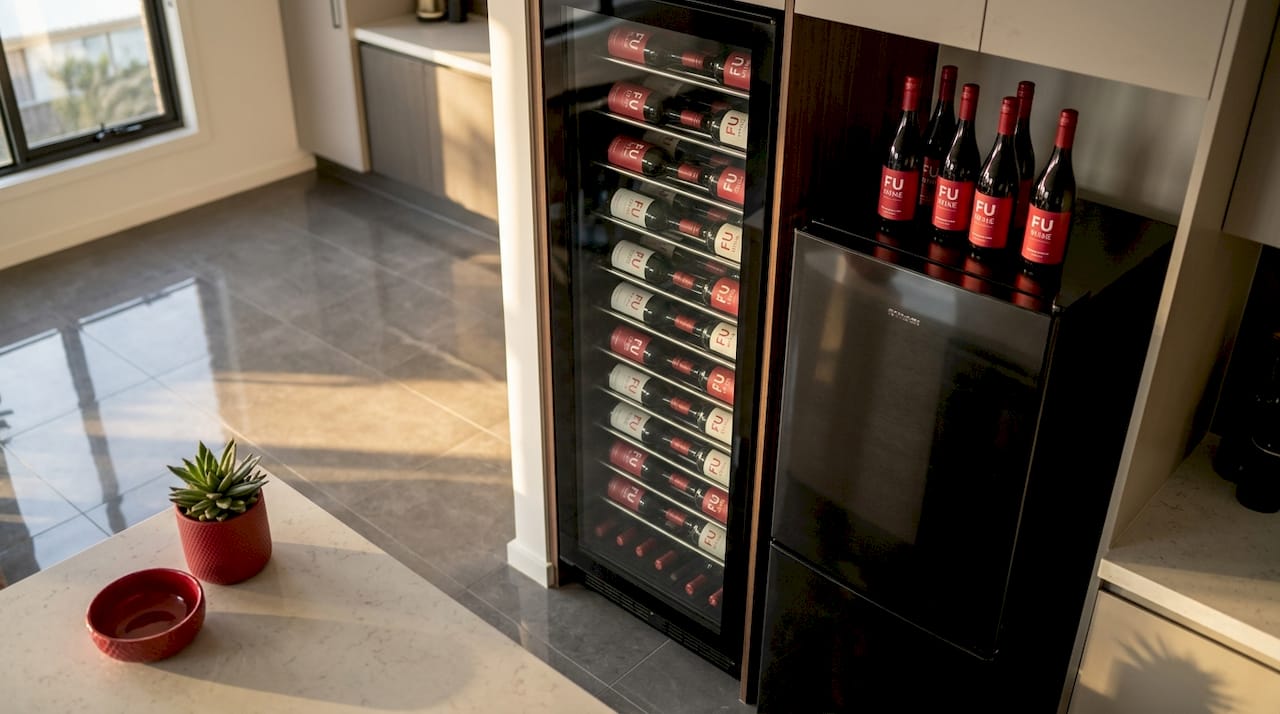
The ideal storage temperature is a consistent 13°C (55°F), with fluctuations between 10°C and 21°C being tolerable but not ideal. Anything beyond that damages wine through cork contraction, oxidation, and premature ageing.
Here’s how to store wine properly:
- Keep it consistently cool. Aim for around 13°C. Your kitchen fridge runs at 3 to 4°C, which is too cold and too dry for anything beyond a few days.
- Maintain 60 to 70% humidity. Low humidity dries out natural corks, breaking the seal and letting air in. That’s oxidation, and it’s irreversible.
- Avoid temperature swings. Even small, frequent changes cause wine to expand and contract inside the bottle, pushing air past the cork over time.
- Store natural cork bottles horizontally. This keeps the cork moist and the seal intact.
- Keep bottles away from vibration and direct light. Both accelerate chemical reactions inside the bottle and strip flavour over time.
| Storage condition | Ideal range | Common mistake | Consequence |
|---|---|---|---|
| Temperature | 13°C (consistent) | Kitchen bench or fridge | Premature ageing or oxidation |
| Humidity | 60 to 70% | Too dry (standard fridge) | Cork dries out, seal breaks |
| Bottle orientation | Horizontal (natural cork) | Upright long-term | Cork dries, air enters |
| Light exposure | Dark or very low | Direct sunlight | Rapid flavour degradation |
| Vibration | Minimal | Near appliances | Disrupts sediment, ages faster |
Pro Tip: A dedicated wine fridge is a worthwhile investment even for modest collections of 20 or 30 bottles. Entry-level units have come down significantly in price and do a far better job than any standard refrigerator at maintaining consistent conditions.
Learning to identify quality wine techniques is also part of protecting what you’ve already invested in.
Learn to read labels and understand your taste preferences
One of the most persistent mistakes when buying wine is choosing by price point or brand recognition instead of what’s actually in the bottle. Labels are genuinely useful once you know what to look for. They’re not decoration.
A wine label will typically tell you the grape variety (or varieties), the region, the vintage year, and often give you stylistic clues through the producer’s name and any descriptors. A Barossa Valley Shiraz from a warm vintage is going to behave very differently to a cool-climate Yarra Valley Pinot Noir. That information is right there on the label if you know how to use it.
Knowing basic wine types and matching them to your taste preferences removes the confusion and the costly guesswork. Here’s a quick framework:
- You like smooth and fruit-forward? Look for warmer region reds like Shiraz or Malbec.
- You prefer something dry and savoury? Try a Sangiovese or a left-bank Bordeaux blend.
- Acidic and refreshing? Riesling, Vermentino, or Sauvignon Blanc are your friends.
- You love a bit of sweetness? Lighter Pinot Gris or off-dry Riesling will suit.
Don’t assume a higher price means more enjoyment. Wine scores and prestige often reflect collectibility and critical opinion, not whether you’ll actually enjoy the glass. A $35 Côtes du Rhône can outdrink a $200 Châteauneuf-du-Pape for someone who favours freshness over power.
Pro Tip: Use a wine tracking app like Vivino to log what you enjoy and why. After 15 to 20 entries, patterns emerge. You’ll stop guessing and start buying with purpose.
When it comes to choosing wines for entertaining, knowing your palate also means knowing your guests. Match the occasion to the style, not the price tag.
Choose wines from lesser-known regions to avoid inflated prices
Here’s a move that separates savvy collectors from everyone else. Famous appellations carry famous prices. Bordeaux, Napa Valley, and Barolo all command premiums that are as much about reputation as they are about what’s in the bottle. Adjacent lesser-known regions often produce comparable styles at a fraction of the cost.
The examples are genuinely exciting once you start looking:
- Cahors instead of Bordeaux. Malbec-dominant and deeply structured, Cahors in southwest France delivers a similar weight and character at significantly lower prices.
- Umbria instead of Tuscany. Sagrantino di Montefalco offers the grippy tannins and dark fruit of Tuscany’s best without the Brunello price tag.
- Roussillon instead of Languedoc’s premium zones. Some of France’s most expressive old-vine Grenache comes from here at very fair prices.
- Ribera del Duero’s smaller producers instead of the famous names. Tempranillo at its most bold and concentrated, without the marketing premium.
| Famous region | Premium price driver | Lesser-known alternative | Style similarity |
|---|---|---|---|
| Bordeaux (France) | Global reputation, auction demand | Cahors (France) | Structured reds, dark fruit |
| Barolo (Italy) | Prestige, ageing potential | Aglianico (Campania) | Tannic, savoury, age-worthy |
| Napa Valley (USA) | Brand cachet, scarcity | Paso Robles (USA) | Full-bodied Cabernet style |
| Tuscany (Italy) | Brunello and Super Tuscans hype | Umbria (Italy) | Bold reds, similar structure |
Restaurant lists often price these lesser-known bottles lower simply to move them, which means they represent genuine value without any sacrifice in quality.
Curious about shopping boutique wines without the ridiculous markups? That’s exactly where the best discoveries live.
Build a smart wine collection with practical buying habits
Building a collection is where a lot of enthusiasts go wrong. The most frequent wine buying missteps here aren’t about choosing bad wine. They’re about buying too much of the wrong thing, or chasing prestige instead of pleasure.
Here’s how to do it better:
- Buy in cases of six. Many retailers offer 10 to 15% discounts when you buy six bottles of the same wine. On a $40 bottle you genuinely love, that’s real money saved over time.
- Don’t overstock styles you’re still exploring. Buying 12 bottles of an orange wine because you liked your first glass is risky. Tastes shift. Buy two or three first and revisit.
- Avoid buying for future value if drinking is the goal. Unless you’re a serious investor with proper storage, most wines won’t appreciate in value enough to justify the effort. Drink what you love now.
- Keep tasting notes. Even basic ones. “Dark, savoury, bit grippy, had with lamb” tells you far more about your preferences than a score from a critic whose palate differs from yours.
- Audit your collection annually. What have you stopped reaching for? Drink it, gift it, or trade it. A cellar full of bottles you feel obligated to keep is not a collection, it’s a storage problem.
Pro Tip: Set a simple rule for your buying. For every new region or producer you try, buy two bottles. One to drink now, one to revisit in 12 months. This builds your reference library without overcommitting.
For a more structured approach, the hospitality wine selection process offers a useful framework that translates well to personal collecting.
Comparing common wine buying mistakes: a summary table
Here’s a quick reference to keep you honest the next time you’re reaching for the credit card.
| Mistake | Consequence | How to avoid it |
|---|---|---|
| Paying restaurant markup blindly | 200 to 300% over retail | Look for mid-priced, lesser-known bottles on the list |
| Storing wine incorrectly | Oxidation, premature ageing | Use a wine fridge at 13°C with 60 to 70% humidity |
| Buying by price or label alone | Overspending on wines you won’t enjoy | Match wine style to your taste profile |
| Defaulting to famous regions | Paying reputation premiums | Explore adjacent regions for similar styles at lower cost |
| Overstocking without preference testing | Cellar full of undrinkable wine | Buy small quantities first, case discounts on confirmed favourites |
A premium wine selection guide can also help you build a framework that makes each purchase intentional rather than impulsive.
Why most wine buying advice misses the mark: a fresh perspective
Here’s the uncomfortable truth. Most advice about buying wine is written by people who benefit from you spending more. Critics, sommeliers, and retailers all operate within a system that rewards prestige and complexity. So the advice trends towards buying famous names, chasing scores, and building collections that look impressive rather than ones you’ll actually drink.
The reality? Many collectors buy expensive wines for prestige rather than pleasure, and years later they’re staring at overstocked cellars full of bottles they no longer have the appetite for. Tastes evolve. What thrilled you at 35 might bore you at 50.
The best wine is the one you want to open tonight, not the one you feel obligated to guard. Drinking without constantly calculating price is one of the great pleasures in wine. If you’re sipping something and quietly doing the maths on what it cost you, you’ve already lost the point.
The most enjoyable collections are built around genuine preference, not a scorecard. They contain wines from unexpected places, at prices that don’t require justification, chosen because they made the drinker happy. That’s the whole game.
Build a collection you love. Drink from it often. And stop apologising for not owning the right labels.
Discover premium wines without the inflated prices at FU Wine
You now have the tools to sidestep the most common wine buying mistakes and start making purchases you’ll actually feel good about. But knowing what to avoid is only half of it. The other half is finding wines worth buying in the first place.
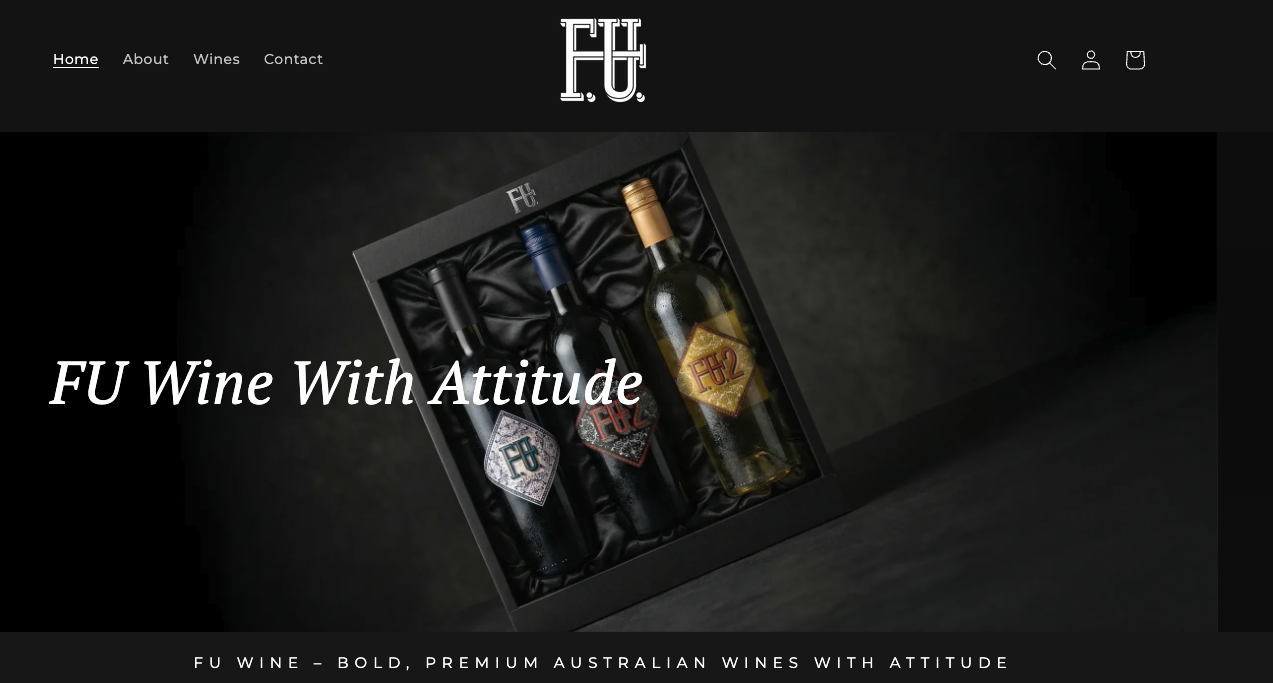
That’s exactly what FU Wine is built for. Every bottle on FU Wine is sourced to deliver genuine quality without the ego-driven markup. Think boutique producers, limited releases, cellar clearances, and high-scoring vintages, offered at prices that make the traditional wine industry very uncomfortable. Flash deals, rotating stock, and insider access to wines that rarely show up at standard retail. If you’ve been waiting for a smarter way to drink premium, this is it.
Frequently asked questions
How can I avoid paying too much for wine at restaurants?
Look for minimum by-the-glass prices over $24 and inconsistent bottle pricing as red flags, and favour lesser-known regional bottles on the list, which are often marked lower and represent far better value.
What is the best way to store wine at home?
Store wine at a consistent 13°C with 60 to 70% humidity, keep natural cork bottles horizontal, and use a dedicated wine fridge rather than your kitchen refrigerator.
Does a higher price always mean better wine quality?
No. Most wines are priced for branding and market positioning, not necessarily taste. Matching a wine’s style to your actual palate will give you more satisfaction than chasing a price point.
Are wines from lesser-known regions worth trying?
Absolutely. Adjacent lesser-known regions regularly produce wines with similar character to famous appellations at significantly lower prices, making them some of the best value options available.
What is a smart way to build a wine collection on a budget?
Buy wines you already know you enjoy in cases of six bottles to access 10 to 15% discounts, and avoid accumulating large quantities of styles you’re still experimenting with.