

How to shop boutique wines without high markups
TL;DR:
- Boutique wines come from small producers focusing on quality and unique terroir.
- Buying directly from wineries or trusted importers cuts out middlemen and lowers costs.
- Building relationships through wine clubs and exploring undervalued regions offers better value.
You love great wine. You know the difference between something genuinely special and a bottle dressed up in a fancy label. But every time you try to source a boutique drop, you hit the same wall: eye-watering prices, limited availability, and a system that feels designed to keep you out. The traditional wine industry runs on layers of middlemen, each one adding their cut before the bottle reaches your glass. It doesn’t have to work that way. This guide breaks down exactly how to find and buy exceptional boutique wines at prices that don’t make you wince.
Table of Contents
- Understand what makes boutique wines unique
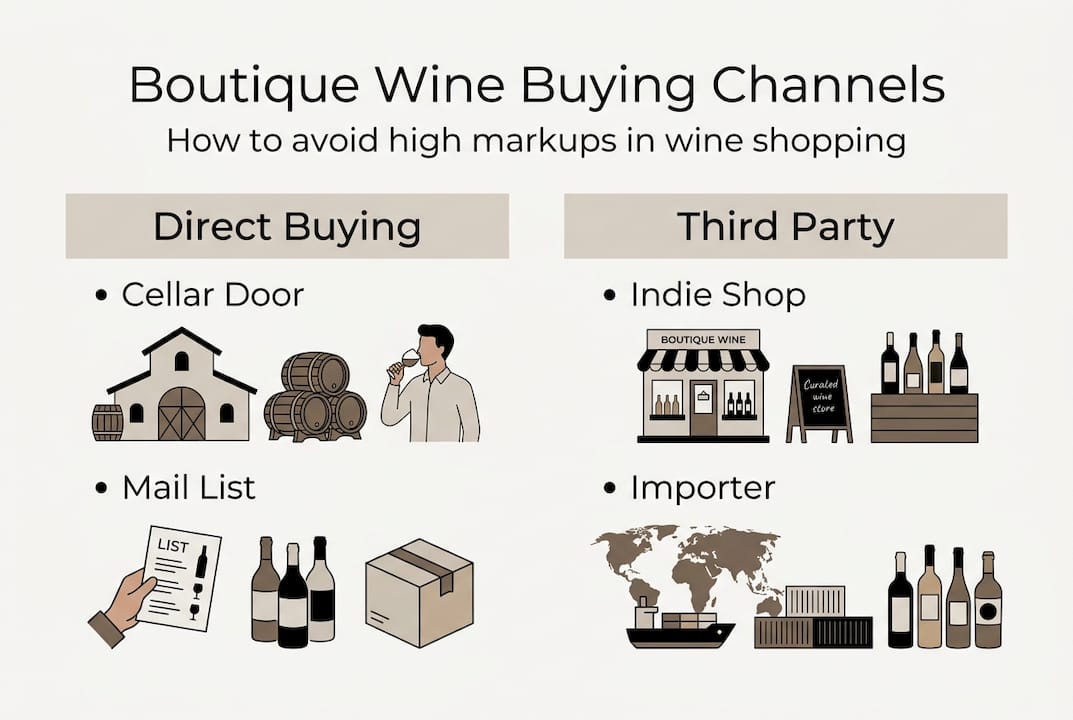
- Choose the best channels: Direct, indie shops, or importers?
- Step-by-step: Secure rare allocations and club access
- Expert shortcuts: Beat markups and uncover value gems
- Why conventional boutique wine buying misses the point
- Shop smarter with FU Wine
- Frequently asked questions
Key Takeaways
| Point | Details |
|---|---|
| Direct buying unlocks savings | Purchasing straight from wineries avoids retail and importer markups, giving you more value for every bottle. |
| Relationships open doors | Long-term connections with indie shops and clubs help you access the rarest boutique wines. |
| Smart shortcuts drive value | Focus on undervalued regions, flexible logistics, and pro methods to enjoy high-quality boutique wines affordably. |
| Avoid the hype | Quality-to-price ratio matters more than prestigious labels or big scores—empower your palate, not the marketers. |
Understand what makes boutique wines unique
Boutique wines aren’t just small batch for the sake of it. They come from producers who are genuinely obsessed with their patch of earth, their specific grape varieties, and the craft of making something memorable. These are winemakers who cap production deliberately, prioritise quality over volume, and often sell out before most people even hear about them.
The problem isn’t the wine. It’s the journey from cellar to your table. By the time a boutique bottle travels through an importer, a distributor, and a retailer, retail markups of 30-50% are stacked on top of importer margins of 15-25% and distributor cuts. You end up paying for a supply chain, not just the wine.
Knowing what to look for cuts through the noise. Genuine boutique producers are usually transparent about their region (or terroir, which just means the unique combination of soil, climate, and geography that shapes the wine’s character), the winemaker’s background, and their annual production numbers. A trusted importer’s label on the back is often a quality signal worth noticing. So is a focus on native or lesser-known grape varieties, which tend to reflect place rather than trend.
Watch out for the traps. Hype-driven labels with boutique-sounding names but mass-market production volumes are everywhere. So are overpriced brands riding a wave of critical scores from a few years back. If you want to start accessing quality wines without markups, learning to read provenance is your first move.
| Feature | Boutique wine | Commercial wine |
|---|---|---|
| Production volume | Limited, often under 5,000 cases | High volume, often millions of cases |
| Price at source | Fair to moderate | Low, but retail markup is high |
| Availability | Scarce, allocation-based | Widely available |
| Terroir expression | Strong and distinctive | Consistent but generic |
| Buying experience | Direct, relationship-driven | Supermarket or chain retail |
Pro Tip: When you find trusted importers who specialise in a particular region, you’re essentially borrowing their expertise. Their selections are usually curated with genuine care, not just margin.
Choose the best channels: Direct, indie shops, or importers?
Once you understand what you’re looking for, the next question is where to actually buy it. There are more options than most people realise, and each one has its own sweet spot.
Buying direct is the gold standard. Visiting a cellar door during travel, joining a winery’s mail order list, or signing up to their wine club puts you as close to the source as possible. Platforms like Naked Wines connect consumers directly to independent winemakers, offering up to 60% off retail by cutting out the middlemen entirely. That’s a serious saving on bottles you’d genuinely want to drink.
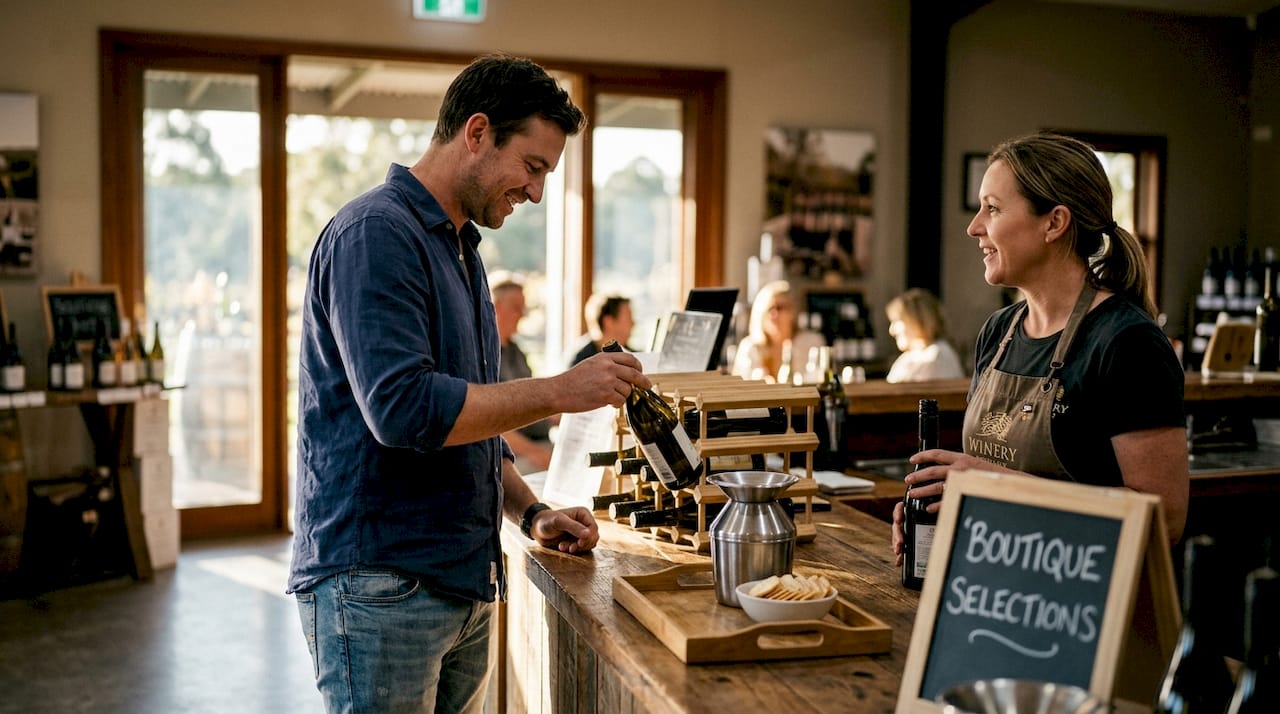
Independent wine shops are underrated. These aren’t your bottle shop chains. A good indie merchant builds real relationships with small producers and importers. They get allocations of wines that never hit the shelves publicly. Build relationships with independent wine shops and you’ll start getting calls when something special comes in, access to staff picks, and invitations to tasting events before the general public.
Trusted importers are another lane worth exploring. Look for the importer’s name on the back label. If you keep seeing the same name on bottles you love, that importer’s portfolio is worth following directly.
For a clearer picture of how these channels compare, check out our breakdown of understanding wine deals and the role of wine curators in getting rare bottles into your hands.
| Channel | Price advantage | Convenience | Exclusivity | Control |
|---|---|---|---|---|
| Cellar door direct | High | Low (travel required) | High | High |
| Winery mail order | High | Medium | High | Medium |
| Indie wine shop | Medium | High | Medium | Medium |
| Subscription platform | Medium-High | High | Low-Medium | Low |
| Chain retail | Low | Very High | Low | Low |
For buying direct from wineries while travelling, the savings alone can justify the trip.
Step-by-step: Secure rare allocations and club access
Knowing the channels is one thing. Actually getting on the list for the wines everyone wants is another. Here’s how to do it properly.
1. Identify the producers you want access to. Start with wines you’ve already loved or regions you’re passionate about. Research their mailing list or club options.
2. Sign up early and be patient. Wine clubs and allocation lists are the primary channels for boutique and small-production wines. Some lists have waitlists of their own. Get on them now.
3. Make your first purchase count. When an offer arrives, buy something. Even a single bottle signals that you’re a real customer, not a tyre-kicker.
4. Stay consistent. Join winery mailing lists and treat them like a commitment. Miss too many offers and you risk being removed from the list entirely. Wineries prioritise buyers who show up every year.
5. Ask about library releases and events. Long-term list members often get access to older vintages held back by the winery, plus exclusive tasting events. These are the real perks of loyalty.
6. Diversify your lists. Don’t just chase the famous names. Smaller, newer producers are often easier to access and just as exciting.
Pro Tip: New World producers, think Australian, New Zealand, Chilean, and Californian boutique wineries, tend to have more accessible mailing lists than prestigious Old World estates. Start there to build your skills and confidence before tackling a Burgundy allocation.
“The best bottles I’ve ever opened came from a winery mailing list I almost didn’t bother joining. Consistency is everything.”
For a deeper look at how this all works, our guide on wine allocation explained covers the mechanics, and exclusive wine access shows you how to sustain it long term.
Expert shortcuts: Beat markups and uncover value gems
Here’s where it gets genuinely exciting. The wine world is full of regions and varieties that punch way above their price point simply because they haven’t been discovered by the hype machine yet.
Target undervalued regions like Portugal, Spain, Southern Italy, Paso Robles, and Washington State for serious quality-to-price ratio (QPR). Embrace native grapes and second labels from prestigious producers to sidestep the markup that comes with famous names. A $20 Douro red from Portugal can genuinely outperform a $60 Napa Cabernet in a blind tasting.
When you’re travelling, bring bottles home. Carry 3-6 bottles in your luggage rather than paying for shipping. Use WineSkins or padded bottle sleeves, check your airline’s limits, and confirm Australian customs allowances before you fly. It’s almost always cheaper than freight and far more reliable.
Here are some quick wins for value-seekers:
- Follow subscription platforms that work directly with independent producers
- Look for second labels from top estates, same winemaker, lower price
- Explore co-operative wineries in underrated regions
- Buy by the case when you find something exceptional, producers often offer discounts
- Track wine scarcity tips to know when to act fast on limited releases
- Use our guide to build a wine portfolio that balances drinking now with cellaring
Pro Tip: QPR is your compass. A wine’s score or the producer’s reputation tells you very little about whether it’s worth the price. Focus on what’s in the glass relative to what you paid. That mindset will lead you to the most memorable bottles of your life.
Why conventional boutique wine buying misses the point
Here’s something the traditional wine industry doesn’t want you to sit with too long: price is mostly theatre.
The markup on a prestigious label isn’t just covering the cost of great grapes and careful winemaking. It’s covering marketing budgets, critic relationships, distributor margins, and the performance of exclusivity. You’re paying for the story as much as the wine.
The collectors who genuinely drink well aren’t the ones chasing 98-point scores or fighting over allocated Burgundy. They’re the ones who built a broad palate, stayed curious about unfamiliar regions, and developed direct relationships with producers and importers. Those relationships deliver bottles that never appear on any public list.
QPR, quality relative to price, matters more than any rating or fashion cycle. The most memorable wine we’ve ever encountered didn’t come from a famous name. It came from a small producer in an unfashionable region, sourced by someone who knew where to look. Check out expert tips from our guide for more on building that kind of access.
Being open-minded about grape varieties and regions isn’t a compromise. It’s how you win.
Shop smarter with FU Wine
Ready to put these strategies into action? FU Wine exists precisely for this moment. We cut through the gatekeeping, the middlemen, and the inflated retail nonsense to bring you genuinely exceptional boutique wines at prices that make sense.
Every bottle we list is chosen for quality, scarcity, and value. No filler. No hype. Just great wine at a fair price, often 30 to 70% below what you’d pay through traditional channels. Discover boutique wines that are actually worth your time and money, and stay across our latest wine deals so you never miss a flash offer on something special. Life’s too short for ordinary wine and even shorter for overpaying.
Frequently asked questions
What is a boutique wine and how is it different from regular wine?
Boutique wines come from small independent producers focused on quality and unique terroir, while regular wines are mass-produced for consistent, wide-market appeal. The difference shows in every sip.
How can I avoid paying high markups when shopping boutique wines?
Buy direct from wineries, join their clubs or mailing lists, and seek out reputable importers. Buying direct eliminates retail and importer markups that can stack up to 75% or more on the bottle price.
Is it worth joining a wine club or allocation list?
Absolutely. Wine clubs and allocation lists provide ongoing access to exclusive releases, library wines, and pricing that retail simply can’t match for boutique producers.
What if I want to bring boutique wines home from overseas?
Carry 3 to 6 bottles in your checked luggage using padded sleeves, check airline weight limits, and confirm Australian customs allowances before you travel. It’s almost always cheaper than international freight.
How do I spot good value boutique wines if I’m new to collecting?
Target undervalued regions like Portugal, Spain, and Southern Italy, stay open to unfamiliar grape varieties, and let QPR guide your choices rather than scores or famous names.