

French white wines list: your guide to the best
TL;DR:
- French white wines are primarily produced from five key varietals: Chardonnay, Sauvignon Blanc, Chenin Blanc, Viognier, and Riesling, each with distinct regional characteristics. The finest examples come from regions like Burgundy, the Loire Valley, Alsace, the Rhône, and Bordeaux, offering a wide range of styles and prices. Starting with accessible options like Mâconnais Chardonnay or Loire Sauvignon Blanc helps build a palate without high costs.
France produces the most celebrated white wines on earth. A well-curated french white wines list covers five core varietals: Chardonnay, Sauvignon Blanc, Chenin Blanc, Viognier, and Riesling, each shaped by distinct regional terroirs across Burgundy, the Loire Valley, Alsace, the Rhône, and Bordeaux. These wines range from bone-dry and mineral to lusciously sweet, and from under $20 to well over $200 a bottle. Understanding the appellation system is the key that unlocks all of it.
What are the key French white wine varietals?
Major French white grape varieties are Chardonnay, Sauvignon Blanc, Chenin Blanc, Viognier, and Riesling, and each one produces a completely different drinking experience. That diversity is exactly what makes French whites so worth exploring.
- Chardonnay is the most planted white grape in France. In Burgundy it produces everything from the steely, citrus-driven wines of Chablis to the rich, buttery expressions of the Côte de Beaune. Unoaked styles are fresh and food-friendly; oaked styles are complex and age-worthy.
- Sauvignon Blanc defines the Loire Valley. Sancerre and Pouilly-Fumé are the flagship expressions, delivering grassy, grapefruit, and flint-driven aromas with a mouthwatering acidity.
- Chenin Blanc is the Loire’s most versatile grape. It ranges from bone-dry Savennières to honeyed Vouvray demi-sec and the extraordinary sweet wines of Quarts de Chaume. High natural acidity keeps every style lively.
- Viognier is the Rhône Valley’s aromatic showpiece. Condrieu is its spiritual home, producing wines with peach, apricot, and jasmine perfume and a rich, almost oily texture.
- Riesling in Alsace is nothing like its German counterparts. It is typically dry, intensely mineral, and built to age for a decade or more.
- Sémillon anchors Bordeaux’s white blends alongside Sauvignon Blanc. It adds body, wax, and lanolin texture. Muscat and Grenache Blanc round out the supporting cast in the south.
Pro Tip: If you are new to French whites, start with an unoaked Mâconnais Chardonnay or a Loire Sauvignon Blanc. Both are ideal starting points for building your palate without spending a fortune.
Which French wine regions produce the best white wines?
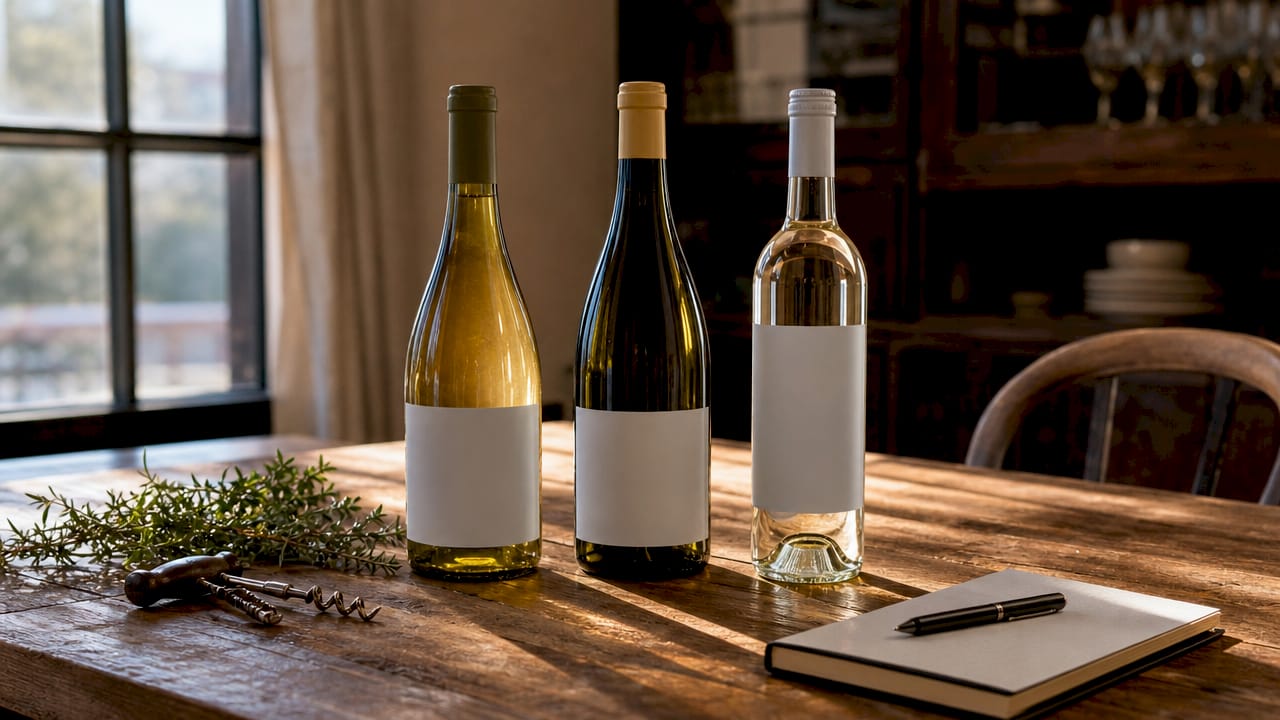
France’s white wine regions each have a distinct personality. Knowing the region tells you more about what is in the glass than any tasting note ever could.
Burgundy is the benchmark for Chardonnay worldwide. Its classification system runs from broad regional Bourgogne Blanc up through Village, Premier Cru, and Grand Cru. Grand Cru represents about 2% of total Burgundy production, which explains why bottles like Montrachet and Corton-Charlemagne command extraordinary prices. Premier Cru accounts for roughly 18% of production and offers a more accessible entry into serious Burgundy. Terroir drives every distinction: Chablis delivers citrus and wet stone, while Côte de Beaune wines lean toward hazelnut, butter, and brioche.
The Loire Valley is home to the crispest, most food-friendly whites in France. Sancerre and Pouilly-Fumé lead the Sauvignon Blanc charge, while Vouvray and Savennières showcase Chenin Blanc in all its forms. The Loire is also where you find Muscadet, one of the best-value seafood wines on the planet.
Alsace is a law unto itself. Wines here are labelled by grape variety rather than appellation, making them the easiest French whites to decode. Riesling, Gewürztraminer, Pinot Gris, and Muscat all thrive in the region’s warm, dry microclimate.
The Rhône Valley splits into north and south. The northern Rhône produces Condrieu and Château-Grillet from pure Viognier. The southern Rhône blends Grenache Blanc, Roussanne, and Marsanne into generous, textured whites.
Bordeaux whites are underrated. The Pessac-Léognan appellation produces some of France’s most complex dry whites from Sauvignon Blanc and Sémillon blends, often at prices well below their Burgundy equivalents.
| Region | Key varietals | Style | Price range |
|---|---|---|---|
| Burgundy | Chardonnay | Lean to rich, mineral to buttery | €20–€100+ |
| Loire Valley | Sauvignon Blanc, Chenin Blanc | Crisp, aromatic, dry to sweet | €10–€60 |
| Alsace | Riesling, Gewürztraminer, Pinot Gris | Aromatic, dry to sweet | €12–€50 |
| Rhône Valley | Viognier, Roussanne, Marsanne | Rich, perfumed, textured | €15–€80 |
| Bordeaux | Sauvignon Blanc, Sémillon | Crisp to complex, dry | €12–€70 |
Top French white wines for every budget and occasion
Good news: you do not need a Grand Cru budget to drink well. The French white wine spectrum has something genuinely excellent at every price point.
Under $20: the everyday heroes
Picpoul de Pinet often retails for under $15, making it one of the sharpest buys in the wine world. It is a zesty, saline white from the Languedoc that pairs brilliantly with oysters and grilled fish. Muscadet Sèvre et Maine Sur Lie sits just above that, often under $20, and the “Sur Lie” ageing adds a creamy, yeasty depth that punches well above its price. Both are prized for pairing with seafood and are the go-to choice for budget-conscious drinkers.
$20–$50: the sweet spot
This is where French whites really shine. Bourgogne Blanc from a quality producer delivers genuine Chardonnay character for €20–€50. Mâconnais appellations like Pouilly-Fuissé and Saint-Véran offer richer, more complex Chardonnay without the Côte de Beaune price tag. Alsatian Riesling and Pinot Gris from reputable producers also sit comfortably in this range and offer extraordinary aromatic complexity.
$50–$100: serious drinking
Village-level Burgundy and Premier Cru Chablis live here. Pouilly-Fumé delivers excellent Sauvignon Blanc quality at better value than its more famous neighbour Sancerre. Condrieu from a top Rhône producer is a once-in-a-while treat that justifies every cent.
$100+: the prestige tier
Puligny-Montrachet, Chassagne-Montrachet, and Meursault Premier Cru occupy this space. Montrachet Grand Cru sits at the very top. These are wines built to age for 10–20 years and reward patience.
Pro Tip: Pull your Chablis out of the fridge 15–20 minutes before serving. Slightly warmer than fridge temperature opens up the aromatics and lets the mineral character fully express itself.
For a broader look at how to match these styles with food, the white wine and food pairing guide at FU Wine is worth bookmarking.
How to read French white wine labels
French wine labels are famously confusing, but the logic behind them is actually straightforward once you know the rule.
French wines are sold primarily by appellation rather than grape variety. That means a bottle labelled “Sancerre” tells you the region, not the grape. You need to know that Sancerre is always Sauvignon Blanc. The same applies to Chablis (always Chardonnay), Vouvray (always Chenin Blanc), and Condrieu (always Viognier).
Alsace is the main exception. Bottles from Alsace name the grape front and centre, so “Alsace Riesling” or “Alsace Gewürztraminer” tells you exactly what you are getting. This makes Alsace the most beginner-friendly region for label reading.
In Burgundy, the classification tier appears on the label and tells you a lot about quality and price. Here is how to read it:
- Bourgogne (regional): the broadest category, sourced from across the region. Approachable and affordable.
- Village (e.g. Meursault, Chablis): grapes from a specific village. More character and concentration.
- Premier Cru (1er Cru): grapes from a named, classified vineyard within a village. Serious quality.
- Grand Cru: the top tier. A specific vineyard classified as elite. French white wine pricing at this level starts at €100 and climbs steeply.
In Burgundy, wines are classified by vineyard site rather than producer. That means the vineyard name on the label matters more than the winery name. Two bottles from the same Grand Cru vineyard but different producers can taste quite different, which is part of what makes Burgundy endlessly fascinating.
Pro Tip: When buying French whites for the first time, focus on the region name first. Once you know which regions match your taste preferences, the grape variety and classification tier become much easier to navigate.
Key takeaways
The best French white wines reward drinkers who understand the link between region, grape, and terroir rather than chasing labels alone.
| Point | Details |
|---|---|
| Varietals define style | Chardonnay, Sauvignon Blanc, Chenin Blanc, Viognier, and Riesling each produce a distinct flavour profile. |
| Region beats grape on labels | Most French whites are labelled by appellation; learn the region-to-grape link to decode bottles fast. |
| Value lives outside Grand Cru | Village-level Burgundy, Picpoul de Pinet, and Pouilly-Fumé deliver serious quality at accessible prices. |
| Serving temperature matters | Pull Chablis and other mineral whites out of the fridge 15–20 minutes before pouring for best aromatics. |
| Alsace is the beginner’s friend | Alsace labels name the grape variety, making them the easiest French whites to identify and buy with confidence. |
Damien’s take on navigating French whites
Why I think most people start in the wrong place
Every wine enthusiast I know started their French white journey with a famous name: Sancerre, Chablis, Pouilly-Fuissé. Those are great wines. But they are also the most marked-up, most imitated, and most likely to disappoint when you grab the wrong producer off a shelf.
My honest advice? Start sideways. A Mâconnais Chardonnay from a quality producer gives you genuine Burgundy character for a fraction of the Côte de Beaune price. A Pouilly-Fumé delivers the same Loire Sauvignon Blanc magic as Sancerre but with less of the prestige tax. These are not consolation prizes. They are the insider picks that serious drinkers reach for when they are not trying to impress anyone.
The other thing most guides skip is Alsace. The wines there are extraordinary, the labels are the easiest to read in all of France, and the prices are still reasonable. A dry Alsatian Riesling from a top producer is one of the most food-versatile whites you will ever open. Pair it with anything from roast pork to Thai green curry and it holds its own.
My final tip: do not sleep on Chenin Blanc. Vouvray and Savennières are criminally undervalued. Chenin’s natural acidity means it ages beautifully, and a ten-year-old Vouvray demi-sec is one of those wines that genuinely stops conversation. Worth every cent.
— Damien
French white wines worth finding at FU Wine
FU Wine exists for exactly this kind of drinking. No inflated retail markups, no gatekeeping, no pretension.
FU Wine sources premium French whites, from crisp Loire Sauvignon Blancs to serious Burgundy Chardonnays, and makes them available at prices that actually make sense. The rotating selection includes wine deals for aspirational drinkers across every budget tier, from sub-$20 everyday bottles to cellar-worthy Premier Cru finds. If you want to drink well without paying the prestige tax, FU Wine’s French white selection is the place to start. Head to fuwine.com.au and see what is in stock today.
FAQ
What are the most popular French white wine varietals?
Chardonnay and Sauvignon Blanc are the most widely recognised French white varietals, anchoring Burgundy and the Loire Valley respectively. Chenin Blanc, Viognier, and Riesling round out the top five.
Which French white wine region offers the best value?
The Loire Valley and Alsace consistently offer the best value in French whites. Appellations like Muscadet, Picpoul de Pinet, and Alsatian Riesling deliver genuine quality for under $20.
Why are French wines labelled by region rather than grape?
French wines are sold by appellation because French wine law ties quality to place of origin rather than grape variety. Alsace is the main exception, naming the grape variety on the label.
What is the difference between Premier Cru and Grand Cru in Burgundy?
Grand Cru is the top classification in Burgundy, representing about 2% of production and commanding prices of €100 or more. Premier Cru sits one tier below and covers around 18% of production at more accessible price points.
What food pairs well with French white wines?
Crisp, high-acid whites like Muscadet and Picpoul de Pinet pair best with seafood and shellfish. Richer Chardonnays from the Côte de Beaune suit roast chicken and creamy sauces. For a full breakdown, the food pairing guide at FU Wine covers the key combinations in detail.