

What is a wine lifestyle? Your guide to living it fully
What does a wine lifestyle actually mean?
A wine lifestyle is a way of living centred on appreciating wine’s cultural, social, and sensory dimensions. It goes well beyond what’s in the glass. Think community, cuisine, travel, self-expression, and a genuine curiosity about the world wine opens up.
This isn’t about memorising tasting notes or collecting bottles to impress people. It’s about wine’s role in urban social life as a connector, a conversation starter, and a marker of hospitality. Every dinner party, every cellar door visit, every spontaneous bottle shared on a Friday night is part of it.
The core elements look like this:
- Community: Sharing wine with others, joining clubs, attending tastings, and building friendships around a shared passion
- Sensory enjoyment: Exploring flavours, aromas, textures, and the pleasure of a well-matched food pairing
- Cultural participation: Engaging with wine’s history, regional identity, and the stories behind each bottle
- Experiential depth: Visiting vineyards, attending festivals, and travelling to wine regions
- Personal expression: Curating a collection, developing your own palate, and drinking what genuinely excites you
Life’s too short for ordinary wine. And the wine lifestyle is simply the decision to take that seriously.
Table of Contents
- How wine evolved from a drink into a way of life
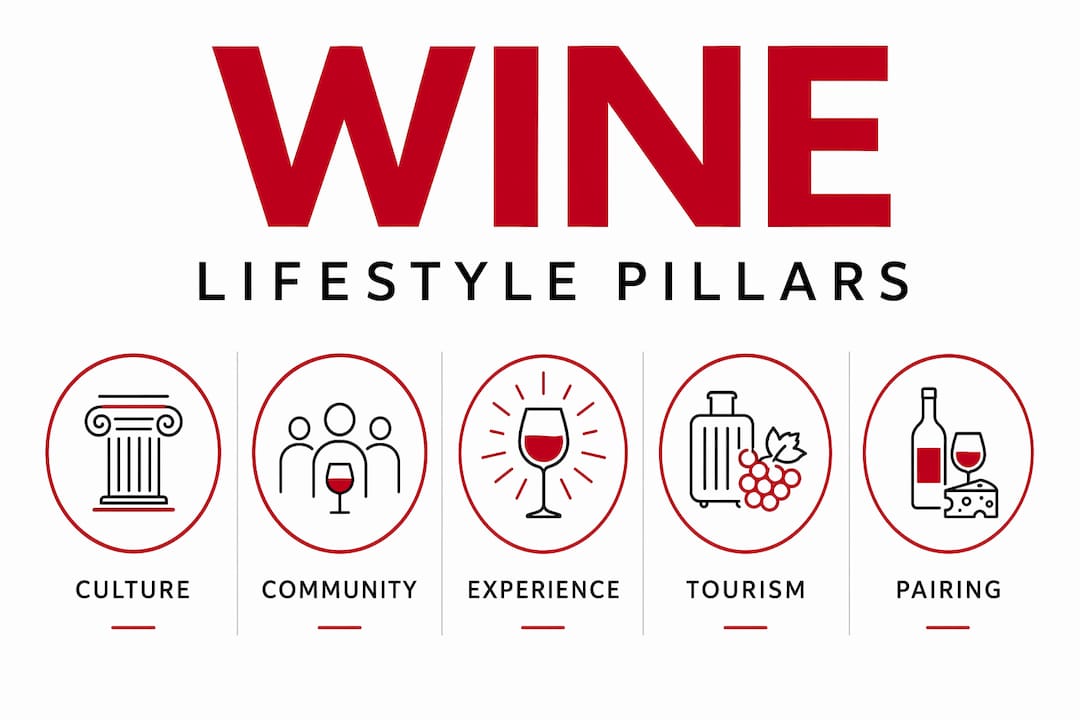
- Culture, community, and experience: the three pillars you actually live by
- Wine tourism and food pairing deepen the lifestyle in ways you can’t fake
- How FU Wine fits into the contemporary Australian wine lifestyle
- Who actually lives the wine lifestyle in Australia?
- How the wine lifestyle shapes fashion, art, and media in Australia
- Key takeaways
How wine evolved from a drink into a way of life
Wine has been woven into human culture for thousands of years, but the shift from beverage to lifestyle happened gradually and fascinatingly.
In ancient civilisations, wine was ritual. It marked celebrations, religious ceremonies, and social hierarchies. For centuries it remained tied to religion, royalty, and the elite. Ordinary people drank it, sure, but the culture around it belonged to a privileged few.
The 20th century cracked that open. Post-war prosperity, international travel, and the rise of food culture in the 1970s and 80s brought wine into everyday homes. Australian winemakers in the Barossa Valley and Hunter Valley started earning global recognition, and suddenly wine wasn’t just a European thing. It was ours too.
Then came the internet, and everything changed again. Wine forums, blogs, and eventually social media democratised knowledge that once lived only in sommeliers’ heads. Modern luxury wine culture shifted away from ostentation toward craftsmanship, culture, and refined living. The snobbery started to feel dated.
Key milestones in that evolution:
- Ancient world: Wine as ritual and status symbol in Egypt, Greece, and Rome
- Medieval Europe: Monasteries preserve winemaking knowledge; wine tied to the Church
- 18th–19th century: Fine wine becomes a marker of aristocratic taste and trade
- 1970s–80s: Australian wine industry earns international credibility; wine enters mainstream culture
- 1990s–2000s: Wine education bodies like the Wine Scholar Guild and the Court of Master Sommeliers grow rapidly, spreading knowledge beyond industry insiders
- 2010s–present: Social media, natural wine movements, and disruptive brands democratise access and attitude
Pro Tip: Don’t try to learn wine history in one sitting. Pick one region you love and dig into its story. The Barossa’s German settler heritage or McLaren Vale’s Mediterranean-influenced winemaking are genuinely gripping starting points.
Culture, community, and experience: the three pillars you actually live by
The wine lifestyle isn’t a solo pursuit. Its power comes from the people around you and the experiences you share.
Wine is a cultural signifier in the truest sense. Jancis Robinson, one of the world’s most respected wine writers, advocates shifting wine culture away from industry awards and jargon toward everyday cultural involvement: food, music, public life. That’s the direction the lifestyle is heading, and honestly, it’s more fun.
Community is where the lifestyle gets real. Wine clubs, cellar door tastings, harvest festivals, and informal dinner parties all create the social fabric that makes wine more than a drink. You’re not just tasting a Shiraz. You’re building a shared vocabulary with people who get it.
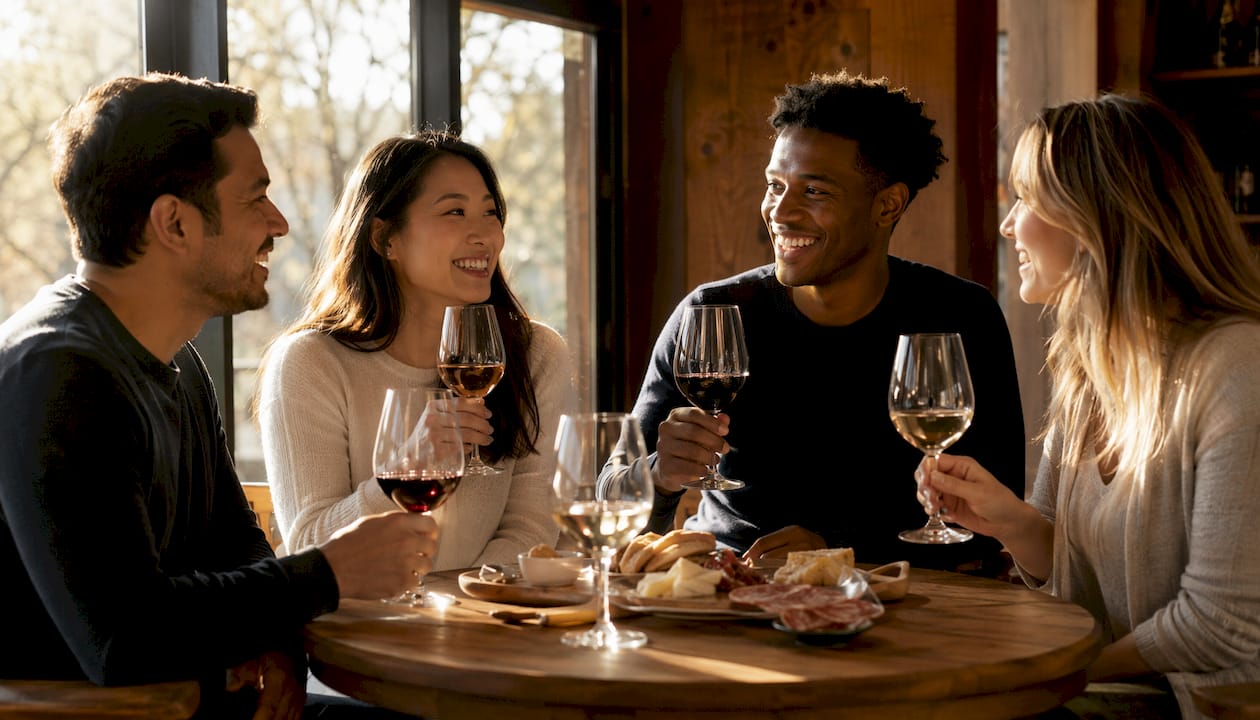
The sensory experience is its own reward. Keeping a wine tasting journal to record occasions, pairings, and impressions builds a personal sensory archive that deepens appreciation over time. You start noticing things you’d never have caught before.
One thing worth calling out: the old gatekeeping culture is dying. The wine lifestyle today is genuinely inclusive. You don’t need a cellar full of Penfolds Grange or a vocabulary borrowed from a Masters of Wine exam to belong. You just need curiosity.
Pro Tip: NYT Cooking’s wine guidance makes a point worth repeating: trust independent wine merchants over big retail chains. They’re less likely to upsell you on margin and more likely to find you something genuinely exciting at a fair price.
Wine tourism and food pairing deepen the lifestyle in ways you can’t fake
There’s a difference between knowing about wine and feeling it. Wine tourism is where that gap closes.
Visiting a region like McLaren Vale, the Yarra Valley, or the Clare Valley puts terroir in your body, not just your head. You smell the eucalyptus near the vines. You taste the difference between a wine poured in the winery versus the same bottle at home. Wine tourism immerses enthusiasts in local heritage, winemaking practices, and cultural events in a way no book can replicate.
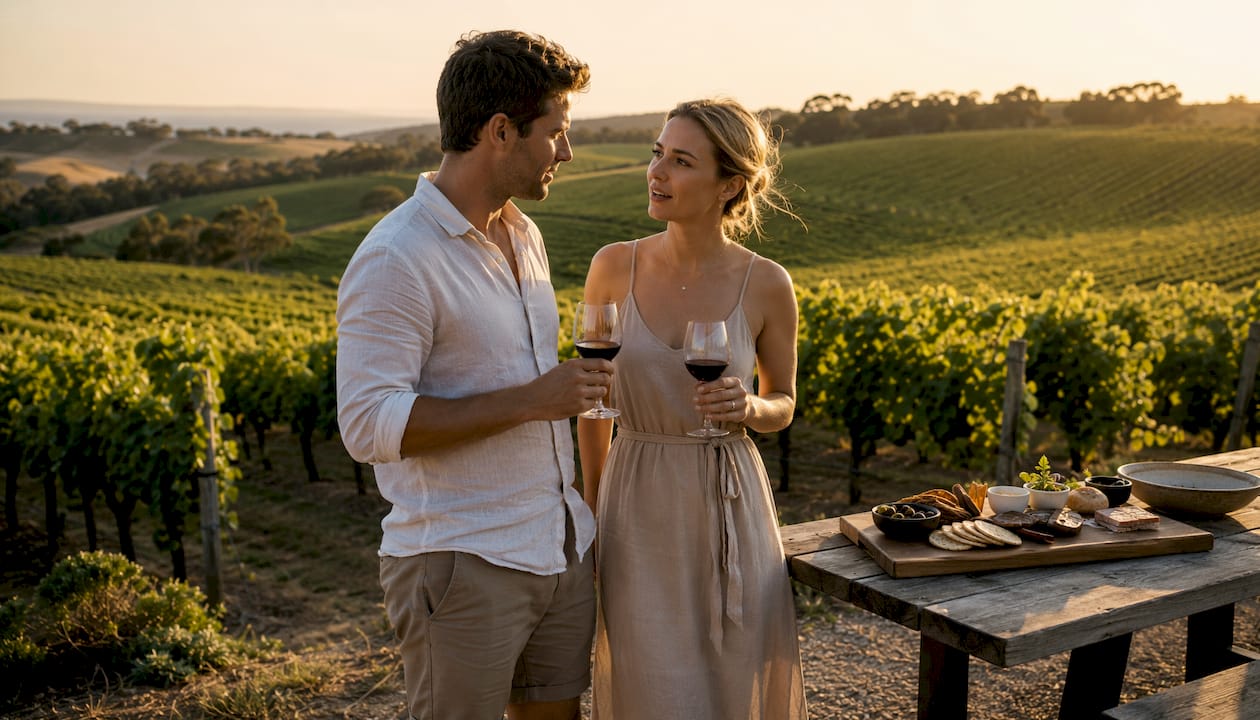
The culinary dimension is equally central. Pairing wine with food enhances both the flavours and the cultural appreciation, and it’s one of the most accessible entry points into the lifestyle. You don’t need a Michelin-starred kitchen. A well-chosen bottle with a weekend roast is the same principle at work.
Key experiences that define wine tourism and culinary engagement:
- Vineyard tours with winemaker Q&As
- Harvest volunteering or pick-your-own experiences
- Regional food and wine festivals (Tasting Australia, Barossa Vintage Festival)
- Cellar door degustation menus
- Wine and cheese or charcuterie pairing workshops
Industry analysts note that modern wine luxury is moving decisively toward these experiential, understated forms of engagement rather than opulent display. The vineyard lunch beats the trophy bottle every time.
How FU Wine fits into the contemporary Australian wine lifestyle
Australia’s wine culture in 2026 is confident, curious, and increasingly allergic to pretension. The understated elegance that defines modern luxury wine culture here is matched by a growing demand for access without the inflated price tags.
That’s exactly where FU Wine sits. Bold, unapologetic, and built on one simple premise: premium wine shouldn’t cost a fortune. FU Wine sources rare, high-scoring, and limited-release bottles through direct relationships, distressed inventory, and cellar clearances, then passes those savings directly to you. We’re talking discounts of 30–70% below traditional retail on wines that are genuinely hard to find elsewhere.
This isn’t clearance stock. These are desirable bottles that most drinkers never get access to because the traditional wine trade keeps them behind layers of markup and insider networks. FU Wine cuts through all of that.
The Australian wine lifestyle is also evolving around sustainability and ethics. Growing interest in sustainable farming, carbon footprint reduction, and fair labour practices is shaping what consumers choose and why. FU Wine’s direct-sourcing model aligns naturally with this shift, cutting out the middlemen who add cost without adding value.
Key ways FU Wine supports the contemporary Australian wine lifestyle:
- Flash deals on premium and rare stock that create genuine excitement
- Insider-style access to allocation releases and boutique producer runs
- A no-BS brand identity that rejects elitism and welcomes everyone
- Direct relationships with producers that support transparent, ethical sourcing
Pro Tip: If you want to shop boutique wines without high markups, the key is knowing where the value actually lives. FU Wine’s rotating deals are worth checking regularly — the best bottles move fast.
Australia’s unique wine regions, from the Barossa to Margaret River, give the local lifestyle a distinct character that no other country can replicate. FU Wine taps into that regional identity, making those stories accessible at prices that don’t require a second mortgage.
Who actually lives the wine lifestyle in Australia?
The wine lifestyle in Australia doesn’t belong to one type of person. It’s a broad, genuinely diverse community.
You’ve got the weekend explorer: someone who books a cellar door tour in the Yarra Valley every few months, keeps a small collection at home, and loves discovering a new producer. Then there’s the urban enthusiast: a Melbourne or Sydney professional who attends wine dinners, follows natural wine bars, and treats a good bottle as part of a considered, quality-focused life.
The collector is another archetype entirely. They’re tracking vintages, monitoring auction results, and building a cellar with intention. Bodies like the Institute of Masters of Wine and the Society of Wine Educators attract the more academically inclined, people who want structured knowledge alongside their passion.
Then there’s the fastest-growing group: the curious newcomer. Younger Australians who’ve grown up with craft beer and specialty coffee are bringing the same quality-first, story-driven mindset to wine. They’re not intimidated by it. They want to understand it, but on their own terms. FU Wine’s no-BS beginner’s guide speaks directly to this group.
What unites all of them is the same thing: a belief that wine is worth paying attention to, and that the experience around it matters as much as what’s in the bottle.
How the wine lifestyle shapes fashion, art, and media in Australia
Wine culture leaves fingerprints everywhere once you start looking.
In fashion, the aesthetic borrows from the vineyard: earthy tones, linen textures, a kind of relaxed elegance that signals you’d rather be at a cellar door than a boardroom. Australian designers and stylists have leaned into this, particularly around events like the Melbourne Food and Wine Festival, where the dress code is somewhere between sophisticated and effortlessly casual.
Art is another dimension. Australian painters, photographers, and ceramicists regularly draw on wine country imagery, from the red soil of the Barossa to the coastal light of Margaret River. Wine label design has become a serious art form in its own right, with producers commissioning original works that make the bottle itself a collectible object.
Media coverage has shifted too. Wine writing has moved away from the dense, score-heavy criticism that once dominated publications and toward narrative-driven storytelling. Podcasts, Instagram accounts, and YouTube channels now carry wine culture to audiences who’d never pick up a traditional wine magazine. The Wine International Association notes that wine culture keeps evolving precisely because it absorbs the media formats and social values of each new generation.
FU Wine’s own brand aesthetic reflects this shift: bold crimson, clean typography, and a voice that feels more like a mate’s recommendation than a critic’s verdict. That’s not accidental. It’s what the contemporary Australian wine lifestyle actually looks like.
Key takeaways
A wine lifestyle is built on community, sensory experience, and cultural participation, and in Australia, it’s more accessible and exciting than it’s ever been.
| Point | Details |
|---|---|
| Wine lifestyle defined | It centres on community, sensory enjoyment, cultural participation, and personal expression, not just drinking. |
| Historical democratisation | From ancient ritual to modern accessibility, wine culture has opened up dramatically since the 1970s. |
| Three core pillars | Culture, community, and sensory experience are what sustain a genuine wine lifestyle over time. |
| Wine tourism matters | Visiting regions like McLaren Vale or the Barossa deepens appreciation in ways no book or tasting note can match. |
| FU Wine’s role | FU Wine delivers premium, rare wines at significant discounts below traditional retail, making the lifestyle accessible without the elitism. |