

Sounding knowledgeable about wine: a practical guide
TL;DR:
- Expertise in wine is about confidently sharing honest impressions with a simple framework, not memorizing technical terms.
- Building a basic vocabulary, asking personal questions, and practicing tasting habits help develop genuine wine conversation skills.
Sounding knowledgeable about wine is defined as communicating clear, honest impressions with confidence, not reciting a dictionary of technical terms. Most people assume you need years of study or a sommelier badge to hold your own at a dinner table. You don’t. What you need is a simple framework, a handful of key concepts, and the confidence to trust your own palate. This guide gives you exactly that. Whether you’re at a restaurant, a mate’s backyard, or a cellar door, you’ll walk away knowing how to talk about wine in a way that feels natural and earns genuine respect.
How can I develop a practical wine vocabulary?
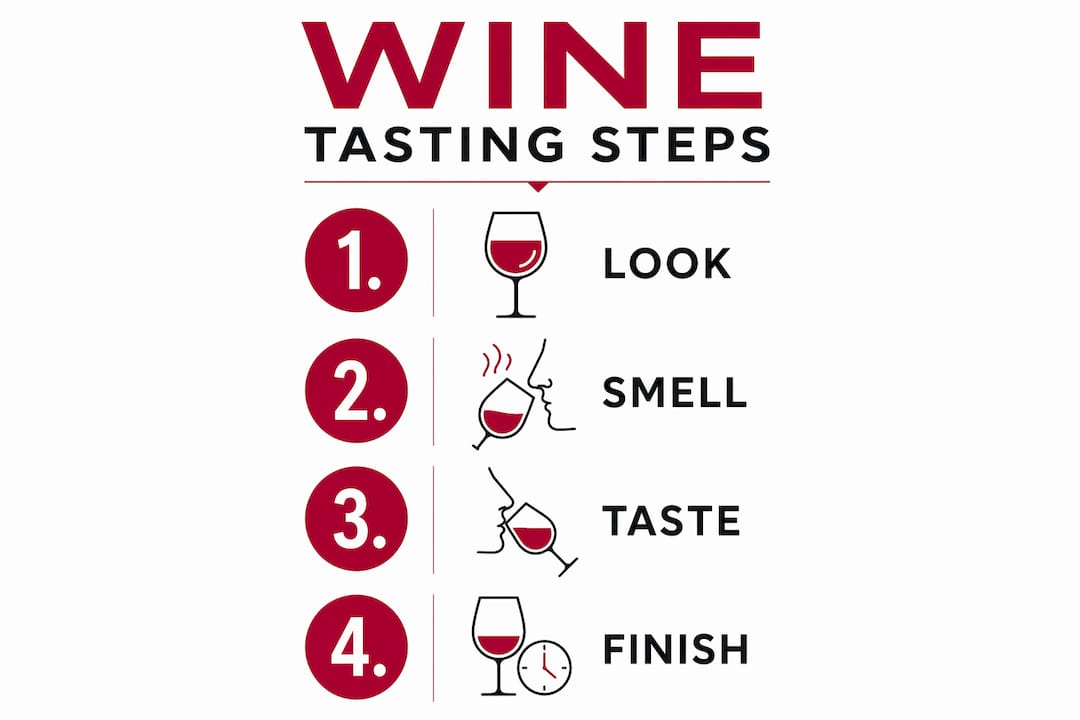
The industry-recognised method for describing wine follows four steps: look, smell, taste, and finish. This four-part tasting framework is the same structure professionals use, and it works because it gives your observations a logical order. You don’t need to name ten things at each step. Naming just one specific thing at each stage is enough to sound considered and credible.
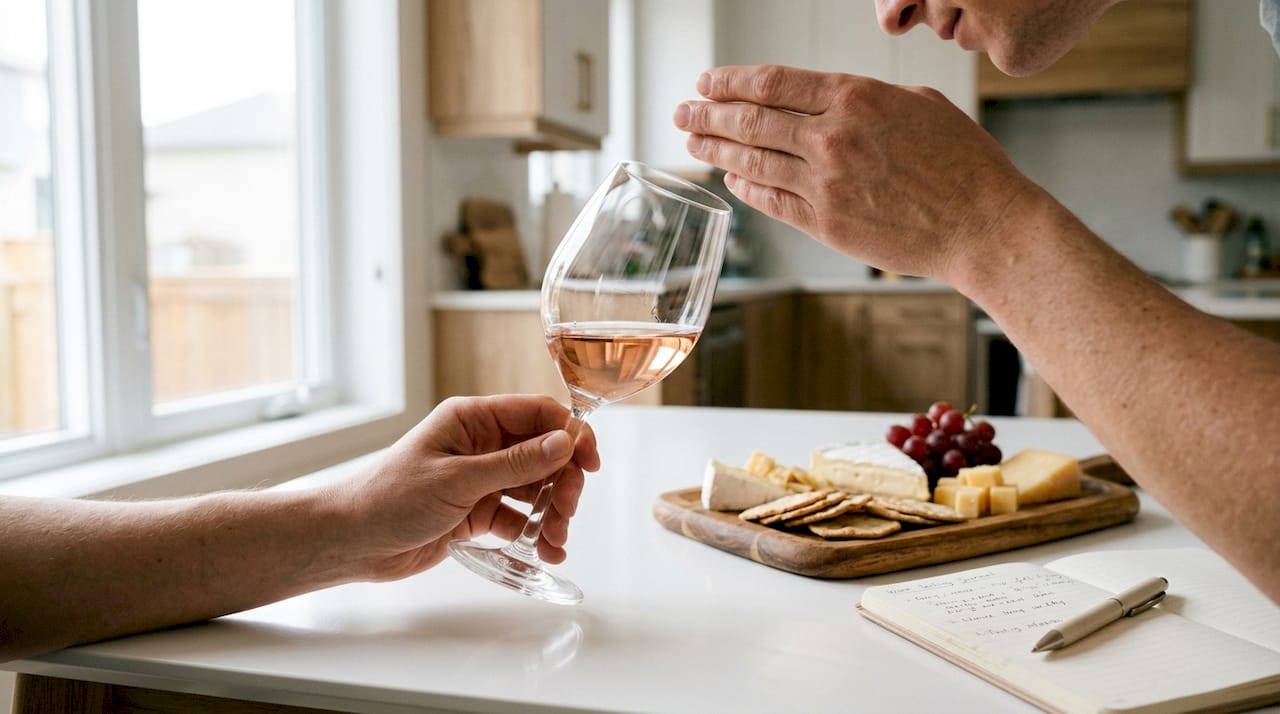
Here’s the honest truth about tasting notes and pattern recognition: they reflect personal experience, not chemical analysis. That means your description of “strawberry jam on the nose” is just as valid as a wine writer’s. The goal is pattern recognition, not perfection.
Pro Tip: Pick one word per step and commit to it. “Deep ruby, blackcurrant, dry with firm tannins, and a long finish” is a complete tasting note. It’s specific, honest, and impressive.
A curated vocabulary of around 30 words covers most situations. Split them across four categories:
- Appearance: ruby, garnet, gold, pale straw, cloudy, clear, deep, bright
- Aromas: floral, earthy, fruity, spicy, toasty, herbaceous, citrus, vanilla
- Flavours: blackcurrant, cherry, peach, lemon, plum, apple, pepper, oak
- Structure: dry, sweet, acidic, tannic, full-bodied, light, smooth, crisp
Sommelier New Zhen Jie puts it plainly: simple descriptors like fruity, floral, or refreshing beat jargon every time. Clarity wins. Pretension loses.
What key wine varietals should I know?
Understanding wine varietals is the single fastest way to sound informed when choosing or discussing wine. A varietal wine is made predominantly from one grape variety, while a blended wine combines two or more. The distinction matters because it shapes how you describe the wine and what food you’d pair it with.
Labelling standards differ by country. US varietal labelling requires 75% of the named grape, while the EU requires 85% minimum for quality wines. That gap means a European Riesling is a purer expression of the grape than a US counterpart labelled the same way.
The five major reds and four major whites you need to know are listed below, with their typical flavour profiles and a food pairing to lock them in your memory.
| Variety | Flavour profile | Food pairing |
|---|---|---|
| Cabernet Sauvignon | Blackcurrant, cedar, firm tannins | Lamb, aged cheddar |
| Merlot | Plum, chocolate, soft tannins | Roast chicken, pasta |
| Pinot Noir | Cherry, earthiness, light body | Salmon, mushroom risotto |
| Shiraz/Syrah | Pepper, dark fruit, bold body | BBQ, hard cheese |
| Tempranillo | Leather, cherry, dried herbs | Tapas, chorizo |
| Chardonnay | Peach, butter, oak (or crisp and unoaked) | Seafood, creamy pasta |
| Sauvignon Blanc | Citrus, grass, high acidity | Goat’s cheese, salads |
| Riesling | Lime, petrol (aged), floral | Asian cuisine, pork |
| Pinot Grigio | Apple, pear, light and dry | Antipasto, light fish |
Climate plays a bigger role than most casual drinkers realise. Different climates produce varying expressions of the same grape, influencing flavour and body significantly. A Shiraz from the Barossa Valley tastes bolder and riper than a Syrah from France’s Rhône Valley, even though they’re the same grape. Dropping that observation into conversation signals genuine knowledge.
Pro Tip: Start with two reds and two whites. Taste them side by side at home. Once you can describe the difference between a Pinot Noir and a Shiraz without looking at the label, you’re already ahead of most people in the room.
How do I express genuine wine opinions without sounding pretentious?
Authentic wine conversation beats technical jargon every time. The best wine discussions prioritise personal taste over complex language, and that’s not a shortcut. It’s actually the more sophisticated approach.
Three core questions cut through the noise and give you a genuine opinion fast:
- Do I like it? Be honest. “This isn’t really my style” is a complete and respectable answer.
- What does it remind me of? Reach for a memory or a familiar smell. “It reminds me of the lemon tree in my mum’s garden” is more vivid and relatable than “high citrus acidity.”
- Would I order it again? This is the practical test. It tells the room you’ve made a real assessment, not just performed one.
These three questions bypass the need for complex language entirely. They work at a dinner party, a restaurant, or a wine bar. They also protect you from the most common trap: using technical terms you don’t fully understand.
Knowing the difference between dry and acidic is one example where a small piece of knowledge pays off. Dry means the absence of sweetness, while acidity adds freshness. Confusing the two is a tell. Getting it right is a quiet signal that you know what you’re talking about.
Pro Tip: Avoid saying “this wine is complex” unless you can name two or three specific things that make it so. Vague praise sounds hollow. Specific praise sounds expert.
Casual language works in almost every setting. “This is a bit grippy for me” (tannins), “there’s something almost savoury about it” (earthiness), or “it’s got a really clean finish” all communicate real observations without a single piece of jargon. Confidence in your own palate is the thing that actually impresses wine enthusiasts.
What practical steps build wine knowledge over time?
Wine knowledge builds through repetition and curiosity, not cramming. The most effective habits are simple and enjoyable.
- Keep a tasting journal. Write three words after every glass. Over time, patterns emerge and your vocabulary grows without effort. The look, smell, taste, finish process gives you a ready-made structure for each entry.
- Use an aroma wheel. The UC Davis Wine Aroma Wheel is a visual reference that groups smells into categories. It’s a practical tool for finding the right word when you know what you’re sensing but can’t name it.
- Explore wine regions gradually. You don’t need to memorise every appellation. Start with one region per variety. Barossa Shiraz, Marlborough Sauvignon Blanc, Burgundy Pinot Noir. Three regions give you three reference points that anchor everything else.
- Host a tasting at home. Hosting a wine tasting with friends is the fastest way to practise talking about wine in a low-stakes environment. Buy four bottles, taste them blind, and compare notes.
- Build relationships with producers. Meeting winemakers and visiting producers enriches your perspective in ways that reading alone cannot. Even a local cellar door visit changes how you think about a region.
The table below shows how different learning habits map to the knowledge they build.
| Habit | What it builds |
|---|---|
| Tasting journal | Vocabulary and pattern recognition |
| Aroma wheel | Sensory language and descriptor accuracy |
| Regional focus | Context and conversation depth |
| Home tastings | Confidence and social fluency |
| Producer visits | Authentic storytelling and nuance |
Wine knowledge compounds. Each bottle you taste with intention adds to a mental library that makes the next conversation easier and more genuine.
Key takeaways
Sounding knowledgeable about wine requires a simple framework, a modest vocabulary, and the confidence to trust your own honest impressions over technical performance.
| Point | Details |
|---|---|
| Use the four-step framework | Look, smell, taste, and finish structures any tasting note clearly and credibly. |
| Know nine core varietals | Cabernet Sauvignon, Merlot, Pinot Noir, Shiraz, Tempranillo, Chardonnay, Sauvignon Blanc, Riesling, and Pinot Grigio cover most conversations. |
| Ask three honest questions | “Do I like it?”, “What does it remind me of?”, and “Would I order it again?” replace jargon with genuine opinion. |
| Build habits, not knowledge dumps | A tasting journal, aroma wheel, and occasional home tasting build fluency faster than study alone. |
| Climate shapes flavour | Mentioning how region and climate affect a grape variety signals real depth of knowledge. |
Wine confidence is earned one glass at a time
I spent years thinking wine knowledge was something other people had. The ones who swirled confidently, rattled off vintages, and made the sommelier nod. Then I realised something that changed everything: those people weren’t smarter about wine. They just had a framework and weren’t afraid to use it.
The four-step tasting method was the turning point for me. Once I started saying one specific thing at each stage, look, smell, taste, finish, I stopped fumbling for words and started actually listening to what was in the glass. That shift from performance to observation is where real confidence comes from.
The other thing I’d tell anyone starting out: your palate is not wrong. If a wine reminds you of tinned peaches or a freshly mown lawn, say it. Those are real, vivid descriptors. They communicate more than “complex and elegant” ever will. Sommelier New Zhen Jie says the same thing. Simple and honest beats technical and hollow, every single time.
The trap most people fall into is trying to sound like a wine writer before they’ve developed their own voice. Skip that phase entirely. Taste with curiosity, write down what you notice, and let your vocabulary grow from your own experience. That’s the version of wine knowledge that actually sticks, and the version that genuinely impresses people who know their stuff.
— Damien
Premium wines worth talking about
FU Wine exists for people who want the real thing without the inflated price tag. Every bottle in the FU Wine range is sourced for quality and scarcity, not for the label on the front.
Whether you’re building your palate or hunting for a rare find, FU Wine’s rotating selection gives you access to premium wines at honest prices. Limited releases, cellar-aged bottles, and boutique producer runs land regularly, and they don’t hang around. If you want to taste the wines worth talking about, this is where to start. No gatekeeping. No pretension. Just great wine.
FAQ
What does sounding knowledgeable about wine actually mean?
Sounding knowledgeable about wine means sharing clear, honest observations using simple language rather than technical jargon. Confidence and authenticity communicate expertise more effectively than memorised terminology.
How many wine terms do I need to know?
Around 30 descriptive words covering appearance, aromas, flavours, and structure are enough for most conversations. Naming one specific thing at each tasting step is sufficient to sound credible and considered.
What is the difference between a varietal and a blended wine?
A varietal wine is made predominantly from one grape variety, while a blended wine combines two or more. In the US, a varietal label requires at least 75% of the named grape; the EU standard for quality wines is 85%.
How do I talk about wine without sounding pretentious?
Use the three-question method: do I like it, what does it remind me of, and would I order it again. These questions produce genuine opinions without requiring complex language.
How do I build wine knowledge without formal study?
Keep a short tasting journal, use a visual aroma wheel, and host occasional tastings at home. Regular practice with the look, smell, taste, and finish framework builds vocabulary and confidence faster than any course.