

Winc.com alternatives for collectors in Australia
TL;DR:
- Australian collectors can access rare wines through winery clubs, boutique marketplaces, premium retailers, auctions, or FU Wine. Provenance verification, transparent sourcing, and direct producer relationships are essential for trust and authenticity. FU Wine offers cellar-aged bottles at below retail prices, emphasizing provenance and quick availability.
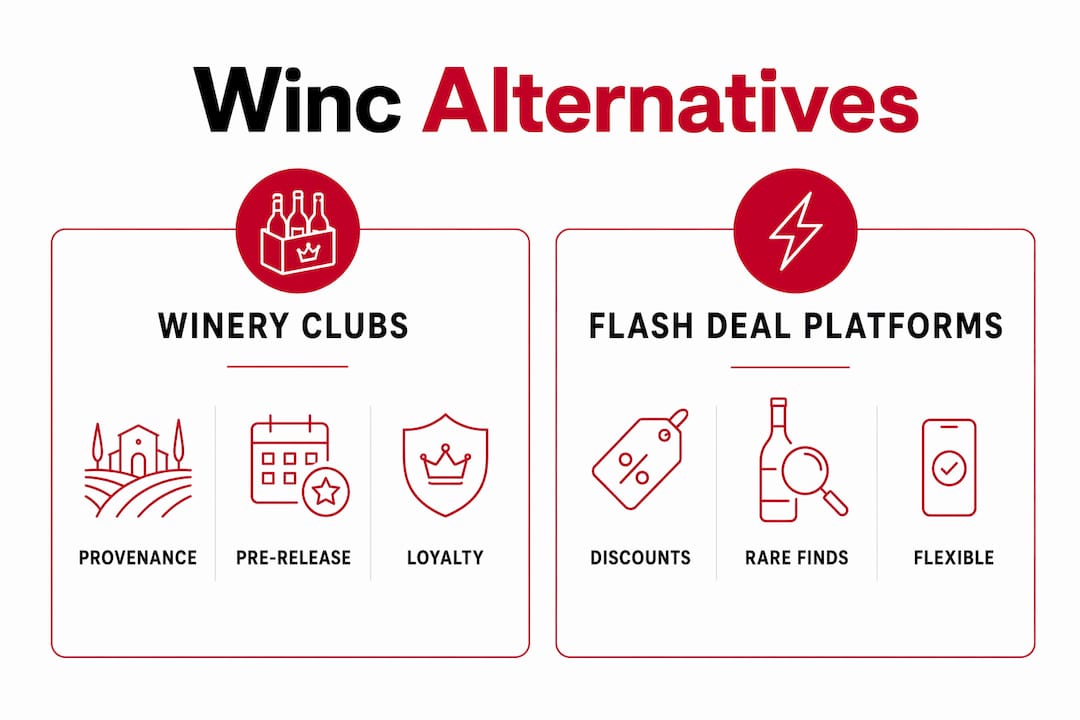
For Australian collectors chasing allocations, museum stock, and cellar-aged bottles, the best Winc alternatives fall into four categories: winery-direct clubs, curated boutique marketplaces, premium loyalty retailers, and auction or secondary-market platforms. FU Wine is the recommended first stop for collectors who want rare and premium bottles at prices that don’t require a second mortgage.
Here’s why this shortlist fits serious collectors:
- Allocation access. Winery-direct clubs like Henschke and Stanton & Killeen offer pre-release and members-only museum bottles unavailable through standard retail.
- Provenance controls. Specialist retailers and winery clubs provide cellar receipts, allocation letters, and tasting notes that mass-market subscription boxes rarely match.
- Pricing for cellar purchases. Opportunistic sourcing models (cellar clearances, distressed inventory) can deliver premium stock at significantly lower prices than traditional retail.
- Membership perks. From complimentary shipping on club packs to event invitations, relationship-based memberships deliver far more than a monthly box.
- Rotating deals on rare stock. Flash-deal platforms surface bottles that collectors would otherwise miss entirely.
Table of Contents
- What are the best Winc alternatives for Australian collectors?
- How do you choose the right alternative for your collector profile?
- Why winery-direct clubs matter more than subscription boxes
- How to trial an alternative and switch away from Winc
- How these alternatives were selected and what trust checks to run
- What payment methods and security should you expect?
- How do loyalty programmes compare across these channels?
- How long does delivery typically take?
- What do third-party reviews say about these channels?
- Key takeaways
- The case for cutting out the middleman
- FU Wine: premium and rare bottles without the retail premium
What are the best Winc alternatives for Australian collectors?
| Best for | Pricing / discounts | Rare / collectible availability | Membership model | Shipping & returns | Perks |
|---|---|---|---|---|---|
| Winery-direct club (e.g. Henschke) | Members’ pricing on club packs | Pre-release allocations, museum releases | Subscription club, allocation priority | Complimentary shipping on club packs within Australia | Pre-release access, events, cellar stock |
| Boutique marketplace (e.g. Alessa Vino) | Curated pricing, no bulk discount | Small-batch, minimal-intervention producers | One-off purchase or curated selection | Nationwide delivery, varies by retailer | Curated notes, producer storytelling |
| Premium loyalty retailer (e.g. Qantas Wine) | Points-based rewards, free shipping thresholds | Curated premium selections | Subscription or one-off, points rewards | National coverage, standard courier | Qantas Points earn/redeem, member pricing |
| Auction / secondary market (e.g. Langton’s) | Market-driven, can be below retail for aged stock | Extensive back-vintage and rare bottles | Per-auction or account-based | Buyer-arranged or platform-facilitated | Provenance documentation, critic scores |
| FU Wine | Often well below traditional retail prices | Limited releases, cellar-aged, boutique runs | One-off purchases, flash deals | Australia-wide delivery | Flash deals, allocation sourcing, rotating rare stock |
Provenance is the chief trust signal for any of these channels. Before committing to a high-value purchase, ask the supplier for allocation letters, original cellar receipts, and critic or tasting notes. Legitimate allocation offers name the vintage, producer, and release quantity clearly.
Pro Tip: If a deal on a cellar-aged bottle comes without storage history or a cellar receipt, treat it as a red flag. Authentic allocation releases always have a paper trail.
How do you choose the right alternative for your collector profile?
Match your collector goal to the right channel first. Allocation chasers belong in winery-direct clubs. Bargain hunters after premium cellar stock should look at flash-deal platforms. Convenience-first buyers who want curated packs delivered regularly will find loyalty retailers and boutique marketplaces the better fit.
Before you buy anywhere, run through these questions:
- Can the supplier provide provenance documentation (allocation letters, cellar receipts, photos of storage conditions)?
- Are release quantities stated clearly, and is the allocation system transparent?
- What is the returns policy for cellar-aged bottles that arrive damaged or misrepresented?
- Does the shipping method include temperature control or insurance for high-value orders?
- Are critic scores or tasting notes from independent sources attached to the listing?
Red flags to avoid: vague provenance claims with no documentation, unusually large markups on bottles with no stated cellar history, and retailers who cannot explain their sourcing chain. A supplier who hesitates on any provenance question is telling you something.
Common questions collectors ask:
How can I verify a cellar-aged bottle? Request allocation letters, original purchase receipts, and photos of the storage environment. Cross-reference the vintage with published critic scores from sources like James Halliday or Wine Spectator.
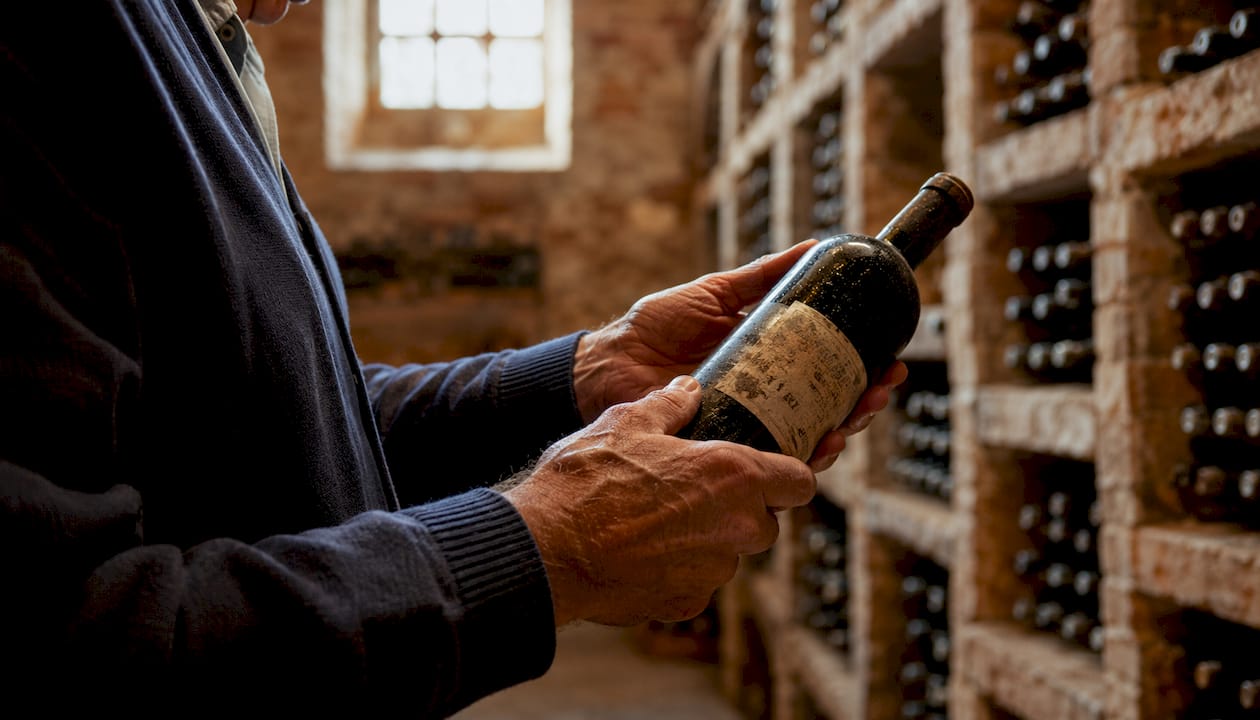
What makes a wine genuinely rare or collectible? Viticultural details matter: old-vine plantings, single-vineyard blocks, small-lot production, and certified organic or minimal-intervention practices all signal scarcity and site-specific character.
Is a subscription box the same as a winery club? No. As Australian industry analysis makes clear, subscription boxes automate convenience while winery memberships offer deeper access, education, and allocation priority.
Do loyalty points programmes replace allocation access? Loyalty and points programmes add value for premium buyers but don’t substitute for proven provenance or allocation priority.
Why winery-direct clubs matter more than subscription boxes
Winery-direct clubs give you the deepest provenance and the earliest shot at allocation wines and museum stock. That’s the short answer. The longer one is that the relationship between member and producer is what makes these clubs genuinely useful for collectors.
Henschke’s Collectors Wine Club is a strong example. Members receive curated packs, allocation priority for pre-release and museum releases, complimentary shipping on club packs within Australia, and invitations to winery events. The provenance chain is direct: wine goes from cellar to member without passing through a distributor or retailer.
Stanton & Killeen takes a similar approach, leaning into boutique producer storytelling and exclusive bottlings for members. For collectors interested in regional character and limited runs, that behind-the-scenes access is hard to replicate through any retail channel.
Winery-direct membership is less about convenience and more about relationship. The allocation letter you receive from a producer is also your provenance document. That piece of paper is worth more than any discount code.
The practical difference from a subscription box is traceability. Winery clubs secure pre-release allocations and museum releases that never reach standard retail. Membership often includes allocation priority, event invitations, and direct contact with the winemaking team. When you need to access limited wines, that relationship is the mechanism.
Practical considerations before joining: check the billing cadence (quarterly, biannual, or annual), understand the allocation rules (how many bottles, which releases), confirm cancellation terms, and ask whether gifting or pausing is available.
How to trial an alternative and switch away from Winc
You can move on from Winc with minimal fuss. Start with a single-case purchase or a short membership before committing to a full allocation waitlist.
- Define your collector goal. Are you cellaring for investment, drinking now, or chasing specific producers? Your answer determines the right channel.
- Check provenance and allocations. Before ordering, confirm the supplier can provide documentation: allocation letters, cellar receipts, storage photos.
- Order a single curated pack or join an allocation waitlist. Low-commitment first steps let you assess quality and service before spending big.
- Verify delivery and storage on arrival. Check temperature on arrival for cellar-aged bottles; inspect seals and labels against the product listing.
- Evaluate membership perks and repeat if satisfied. If the provenance checks out and the wine delivers, scale up your commitment.
Pro Tip: Before committing to a high-value cellar purchase, request the critic score, a photo of the cellar conditions, and the original purchase receipt. Any reputable supplier will provide these without hesitation.
How these alternatives were selected and what trust checks to run
Selection criteria for this shortlist: access to allocations or museum stock, verifiable provenance, transparent sourcing practices, and a specialist focus on small-batch or cellar releases. Mass-market subscription boxes that rely on algorithm-matching were excluded, consistent with expert guidance that algorithm-based clubs are largely inaccurate at matching collector preferences.
Trust signals to verify before any significant purchase:
- Winery allocation letters naming the vintage, producer, and release quantity
- Cellar receipts or original purchase documentation
- Independent critic scores or tasting notes (James Halliday, Wine Spectator, or equivalent)
- Member reviews from verified purchasers
- Clear shipping, returns, and insurance policies for high-value orders
Reliable provenance for cellar-aged bottles includes allocation letters, original cellar receipts, critic tasting notes, and photos of cellaring conditions. Ask for all of these before purchase — a reputable supplier will have them ready.
What payment methods and security should you expect?
Reputable Australian wine retailers and winery clubs accept Visa, Mastercard, and PayPal as standard. Many now support Apple Pay and Google Pay for mobile checkout. For high-value cellar purchases, bank transfer is sometimes offered as an alternative. Look for SSL-encrypted checkout pages (the padlock icon in your browser bar) and a clear privacy policy before entering payment details. Auction platforms like Langton’s typically require account verification before bidding, which adds a layer of buyer protection.
How do loyalty programmes compare across these channels?
Loyalty mechanics vary sharply. Qantas Wine integrates directly with the Qantas frequent flyer programme, letting members earn and redeem points on wine purchases. That’s genuinely useful if you’re already accumulating points. Winery-direct clubs like Henschke offer members’ pricing and allocation priority rather than points, which is more valuable for collectors focused on scarcity. FU Wine’s model centres on flash deals and rotating stock rather than a formal points system, so the “loyalty” is the deal itself. Auction platforms offer no loyalty programme but can deliver the deepest discounts on back-vintage stock when bidding is competitive.
How long does delivery typically take?
Standard delivery across Australia runs 3–7 business days for most online wine retailers. Winery-direct clubs shipping from regional South Australia or Victoria may take 5–10 business days to metro areas. Auction platforms vary depending on whether the seller ships directly or uses a platform fulfilment centre. For temperature-sensitive cellar stock, some suppliers offer refrigerated freight at an additional cost. Always confirm estimated delivery windows and packaging standards before ordering aged bottles in summer months.
What do third-party reviews say about these channels?
Henschke consistently draws strong collector feedback for allocation reliability and provenance documentation. Stanton & Killeen earns praise for producer transparency and the quality of its members-only releases. Boutique marketplaces focused on small-batch producers tend to attract positive reviews from collectors who value minimal-intervention winemaking and site-specific character. For flash-deal platforms, the collector community values speed of access and pricing honesty over polish. Negative reviews across all channels cluster around two issues: delayed shipping in summer heat and insufficient provenance documentation on cellar-aged bottles.
Key takeaways
For Australian collectors, winery-direct clubs and specialist flash-deal platforms deliver the best combination of provenance, allocation access, and pricing that mass-market subscription boxes simply cannot match.
| Point | Details |
|---|---|
| Winery-direct clubs for allocations | Henschke and Stanton & Killeen offer pre-release and museum-stock access unavailable through standard retail. |
| Flash-deal platforms for cellar bargains | Opportunistic sourcing models can deliver premium stock at significantly lower prices than traditional retail. |
| Provenance is non-negotiable | Always request allocation letters, cellar receipts, and critic scores before any high-value purchase. |
| Loyalty programmes add value but don’t replace access | Points schemes like Qantas Wine are useful extras; they don’t substitute for allocation priority or proven provenance. |
| FU Wine as a starting point | FU Wine sources limited releases and cellar-aged bottles with transparent provenance, making it a practical first trial for collectors. |
The case for cutting out the middleman
The conventional wisdom says you need a subscription to stay connected to good wine. That’s backwards. Subscriptions are built for convenience, not for collectors. The channels that actually serve serious buyers are the ones with direct producer relationships, allocation systems, and the willingness to source opportunistically from cellars and distressed inventory.
What most wine guides miss is that the best bottles rarely sit in a subscription queue. They move through allocation waitlists, cellar clearances, and producer-direct releases. The collector who understands wine distribution channels has a structural advantage over the one waiting for a curated box to arrive.
FU Wine’s approach of sourcing limited releases, cellar-aged bottles, and boutique producer runs at aggressive discounts is exactly the kind of model that collectors should be paying attention to. Not because it’s the only option, but because it removes the markup without removing the quality. Verify provenance as standard practice regardless of where you buy. That discipline protects your cellar and your wallet.
FU Wine: premium and rare bottles without the retail premium
Most of the alternatives covered here do one thing well. Winery clubs nail provenance. Auction platforms surface back-vintages. Boutique marketplaces curate for character. FU Wine does something different: it sources rare and cellar-aged bottles from allocation releases, cellar clearances, and boutique producer runs, then prices them well below what you’d pay through traditional retail.
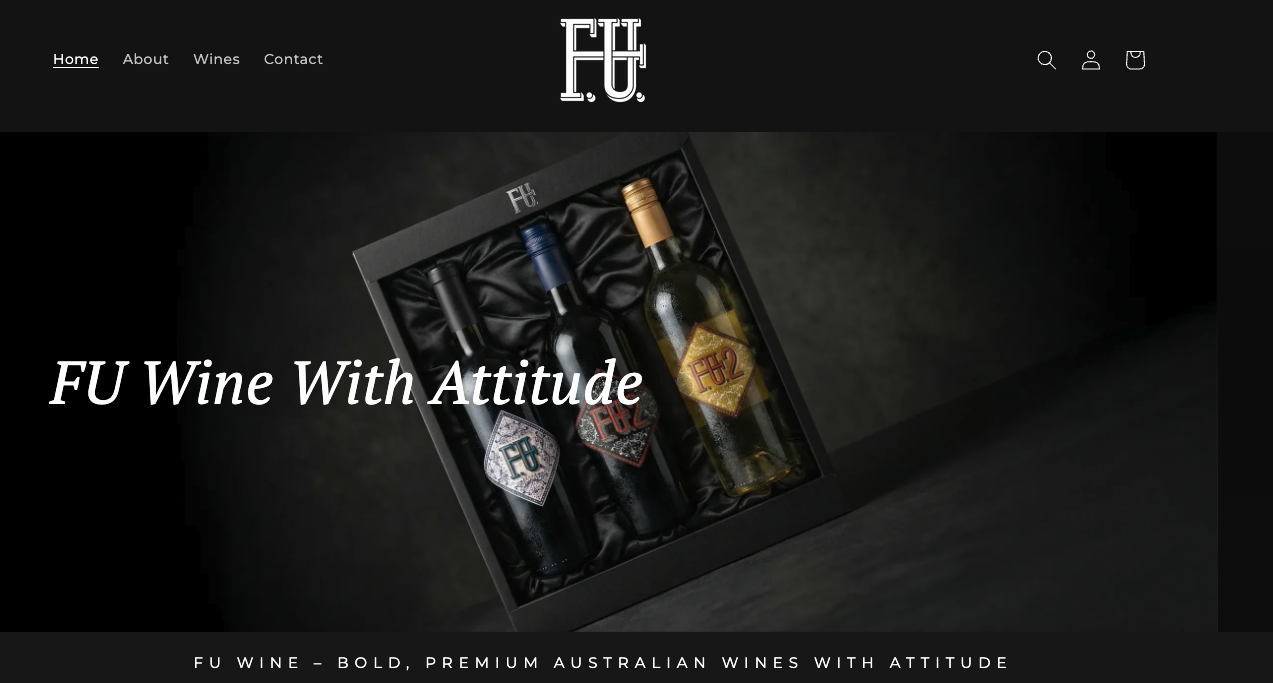
For collectors who want flash deals on high-scoring vintages, rotating access to limited releases, and transparent provenance on listings, FU Wine is worth a look. Stock rotates fast and availability is never guaranteed, so the model rewards buyers who move quickly. Browse the current range at FU Wine and see what’s available now.
This article is general information only. Confirm current availability, membership terms, and provenance details directly with each supplier before purchasing.