

Wine drinking windows: when to open every bottle
A drinking window is the span of time when a wine is at its best, not a single date stamped on the label. Think of it as a curve: the wine climbs toward peak complexity, holds there for a while, then slowly fades. Your job as a collector is to catch it on the way up or at the top, not after it’s rolled off the other side.
The one-line verdict? Check the wine’s structure, its vintage, and how it’s been stored. If you’re not sure, buy two and open one now.
Three quick signals to decide tonight:
- Style: A fresh Pinot Grigio is ready now. A structured Barossa Shiraz from a serious producer probably isn’t, not yet.
- Storage: If it’s been sitting in a warm garage, shorten your window estimate by several years.
- Producer record: A track record of long-ageing wines from a respected house means you can afford to wait. An unknown label? Drink it.
Key takeaways
Drinking windows are curves, not deadlines. The collector who understands that, and manages their cellar accordingly, will drink better wine more often than the one chasing a perfect theoretical moment.
| Point | Details |
|---|---|
| Windows are curves, not dates | Every wine moves through phases; the window covers the approach and peak, not a single night. |
| Structure predicts longevity | Tannin, acidity, and low pH are the primary indicators of how long a wine will age well. |
| Storage shortens Australian windows | Warm domestic storage accelerates ageing; shorten estimates if your cellar runs above 18°C. |
| Buy two to calibrate | Open one bottle to assess the curve, then use that tasting note to time the second. |
| FU Wine for cellar-ready stock | FU Wine supplies cellar-aged and limited-release bottles at deep discounts, with provenance you can verify. |
Table of Contents
- What does ‘drinking window’ actually mean?
- How wine actually changes as it ages
- What actually moves a drinking window?
- How to estimate a window for any bottle in your rack
- Practical drinking-window ranges by wine style
- How to tell if a bottle is ready before you pull the cork
- Managing your cellar so you actually hit the windows
- Australian examples and how local conditions change the picture
- The honest truth about timing a special bottle
- Premium cellar-ready wines without the premium price tag
- Sources
What does ‘drinking window’ actually mean?
The phrase gets thrown around a lot, but the drinking window is a curve with distinct phases, not a deadline. A wine moves through too young, approaching peak, at peak, and past peak before entering slow decline. The window itself covers the approach plus the peak, and its width varies enormously, from a short time for a crisp Riesling to many years for a serious Penfolds Grange.
Critics and databases translate this curve into practical labels you’ll see everywhere:
“Drink” means open it now, the wine is at or near its best. “Hold” means put it back and wait. “Drink or Hold” means it’s enjoyable now but will reward patience. “Past Peak” means the best days are behind it, though it may still be pleasant. These categories, as used by Wine Spectator, condense years of tasting history into a single actionable call.
Windows are probabilistic estimates, not guarantees. Two bottles of the same wine, stored differently, can sit in entirely different phases of the curve on the same night. That’s why storage and provenance matter as much as the label itself.
How wine actually changes as it ages
Every wine starts life dominated by primary fruit: fresh berry, citrus, floral. As it ages, those notes give way to secondary complexity (spice, earth, savoury depth), and eventually to tertiary characters (leather, dried fruit, truffle, nuttiness). The trick is knowing which phase suits your palate and your dinner table.
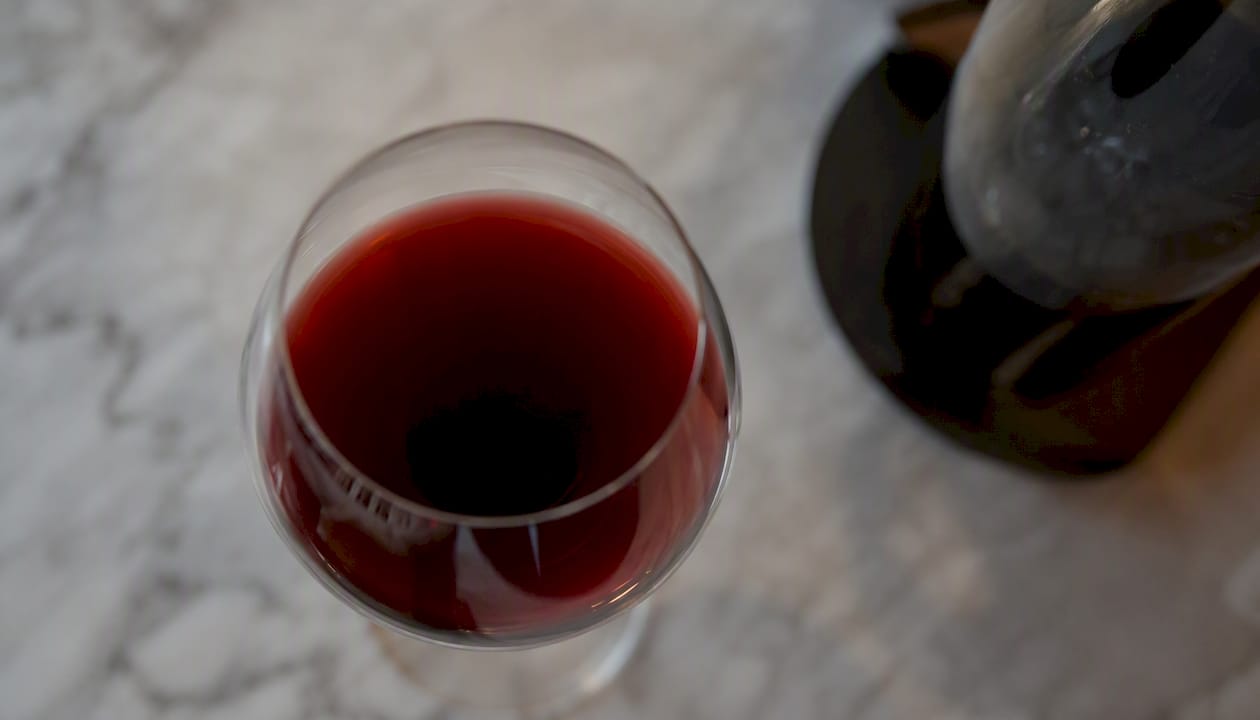
Red wines follow the most dramatic arc. Young structured reds often taste grippy and angular because tannins are polymerising and haven’t softened yet. As they age, those tannins integrate, the fruit darkens from fresh cherry to dried plum, and savoury, earthy notes emerge. Open one too early and it tastes tight and closed; open it too late and the vibrant fruit has gone, leaving only dried-fruit tertiary notes.
White wines age along an oxidative and reductive path. High-acid whites like Hunter Valley Semillon or aged Riesling can develop extraordinary complexity, with toast, lanolin, and honeyed notes replacing the initial citrus. Lower-acid whites oxidise faster and lose freshness quickly.
Sensory milestones to watch for by type:
- Reds approaching peak: tannins feel silky rather than grippy; fruit shifts from fresh to dried; secondary savoury notes appear (cedar, tobacco, earth).
- Reds past peak: fruit fades to a thin, watery impression; tannins feel dry and astringent rather than integrated; colour turns brick-orange at the rim.
- Whites approaching peak: primary citrus softens to stone fruit and toast; acidity feels rounder; colour deepens to gold.
- Whites past peak: oxidised, flat, or sherry-like aromas; colour turns amber; freshness is gone.
- Sparkling wines: most are ready on release; aged prestige cuvées develop biscuit and brioche complexity but lose effervescence over time.
- Fortified wines: Tawny Ports and aged Muscats develop rancio and nutty complexity over decades; they’re built for long ageing and rarely peak too early.
What actually moves a drinking window?
Structure is the engine. Tannin, total acidity, pH, and concentration are the primary predictors of how long a wine will age. High tannin and high acidity act as preservatives; low pH reduces vulnerability to oxidation, so wines like Clare Valley Riesling or Barossa Grenache Blanc can hold brightness for years. High alcohol without the structural backbone to match tends to accelerate decline rather than extend it.
Beyond the glass itself, several secondary factors shift the curve:
Closure type matters more than most people admit. Natural cork allows micro-oxygenation, which drives traditional bottle ageing. Screwcap wines age reductively, often retaining freshness longer but developing differently. Neither is inherently better; they’re just different curves.
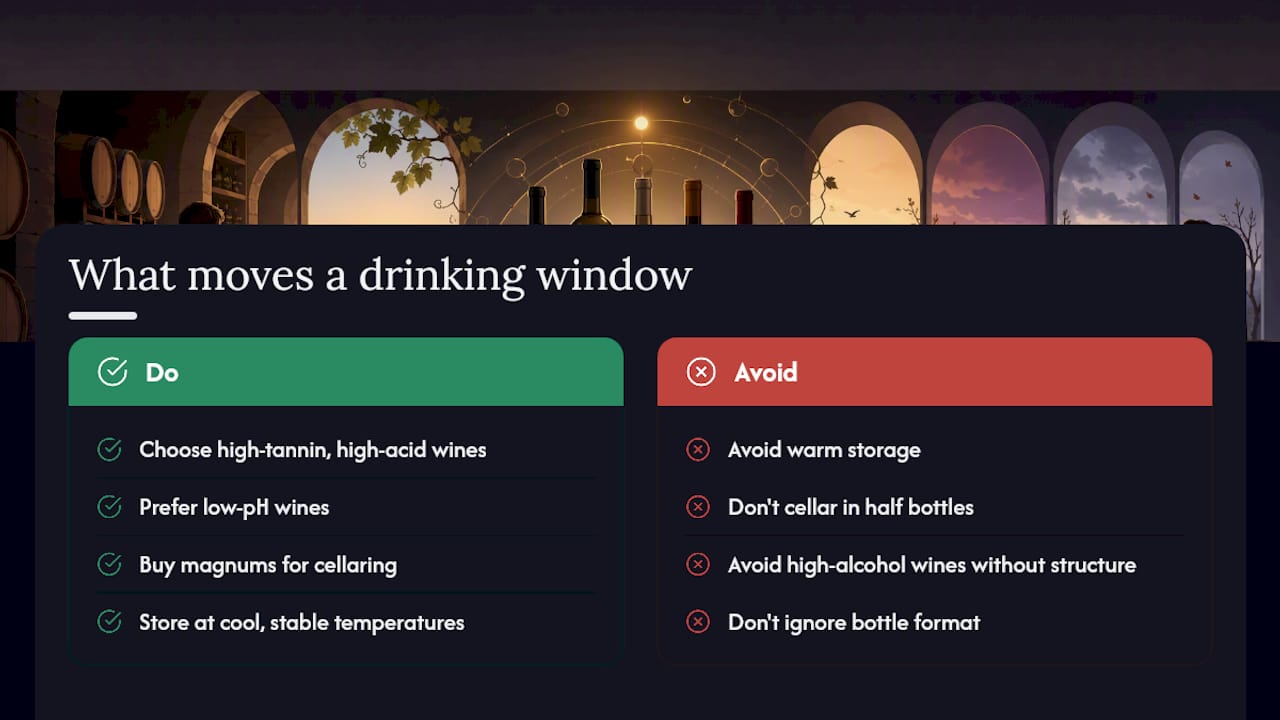
Bottle format is a lever collectors underuse. Magnums age noticeably more slowly than standard 750ml bottles because the ratio of oxygen to wine is lower. Half bottles age faster for the opposite reason. If you’re buying to cellar, a magnum of the same wine will give you a wider window and more margin for error. Conversely, a half bottle of a structured red should be drunk earlier than the standard format’s window suggests.
Storage is where Australian collectors face a real challenge. Warmer ambient temperatures accelerate every chemical reaction in the bottle. A wine projected to peak at 15 years in a 13°C European cellar may peak at 10 years in a Sydney home without climate control. The Wine Ark guidance is direct: warmer storage shortens projected windows, sometimes by several years, and collectors should plan with that bias built in.
How to estimate a window for any bottle in your rack
This is a repeatable checklist. Work through it in order and you’ll land on a defensible range every time.
- Identify the style. Is this a fresh white, a light red, a structured red, a fortified? Each style has a baseline range (see the table in the next section). Start there.
- Check the vintage. Cool, structured vintages age longer. Hot, generous vintages often peak earlier. Look up a vintage report for the region and year to understand the season’s character.
- Assess the producer’s track record. A serious producer with a history of long-ageing wines earns a longer estimate. An unknown or entry-level label gets a conservative range. Use critic scores and tasting notes from Wine Spectator, The Real Review, or Decanter as a guide.
- Factor in storage history. If the wine has been in a temperature-controlled cellar since purchase, use the standard range. If it’s spent time in a warm environment, shorten the estimate by two to five years depending on severity.
- Adjust for bottle format. Magnum? Extend the window. Half bottle? Shorten it. Standard 750ml is your baseline.
- Set a confidence flag. If you have solid data on all five points above, your estimate is high-confidence. If you’re guessing on two or more, flag it as conservative and plan to open sooner rather than later.
The ‘buy two’ rule is the single best practical tool in a collector’s kit. Buy two bottles of any wine you’re uncertain about. Open one now to assess where it sits on the curve, then use that tasting note to calibrate when to open the second. It costs you one bottle and saves you from missing the window on the other.
Pro Tip: If a bottle seems tight on opening, pour a small amount into a glass and leave it for 20 minutes before deciding whether to decant the rest. Sometimes a wine just needs air, not another five years in the rack.
Practical drinking-window ranges by wine style
These are approximate ranges for well-stored bottles from quality producers. Adjust earlier for warm storage, entry-level producers, or hot vintages; adjust later for magnums, exceptional vintages, or elite producers.
| Wine style | Typical window from vintage | Notes |
|---|---|---|
| Fresh whites and rosé | 1–3 years | Drink young; freshness is the point |
| Light reds (Pinot Noir, Gamay) | 2 years | Some age well; most are best young |
| Medium-bodied reds (Merlot, Sangiovese) | 4–12 years | Vintage and producer tier matter a lot |
| Structured reds (Cabernet, Shiraz, Nebbiolo) | 8 years | Architecture drives the range |
| Age-worthy whites (Riesling, Semillon, Chardonnay) | 5–20 years | Acidity is the key predictor |
| Prestige sparkling | 5–15 years | Most non-vintage sparkling: drink within 3 years |
| Fortified (Tawny, Muscat, Vintage Port) | 10 years | Built for long ageing; almost impossible to open too late |
Two bottles of the same label can sit in completely different parts of the curve. A 2015 Barossa Shiraz from a top producer, stored at 14°C, might still be in its approach phase in 2026. The same wine stored in a warm Adelaide Hills garage since purchase could already be past peak. Same label, same vintage, entirely different story.
A few practical adjustments:
- Hot vintages (e.g. 2019 in many Australian regions) often produce wines that peak earlier and decline faster than the style baseline suggests.
- Selecting bottles with genuine age-worthy architecture from the start gives you the most reliable windows.
- Most wines produced globally are made to drink within three years of release. Be honest about which bottles in your rack are genuine long-term keepers and which are not.
How to tell if a bottle is ready before you pull the cork
You can gather a lot of information before opening. Here’s a practical sequence:
- Check producer and vintage history. If critics consistently rate this producer’s wines as needing 10+ years, and the bottle is only five years old, it’s probably still holding.
- Examine the ullage. Ullage is the gap between the wine and the cork. A normal ullage for a young wine is a centimetre or two. A large gap in an older bottle suggests evaporation or a compromised cork, which accelerates ageing unpredictably.
- Look at label and capsule condition. Seepage stains around the capsule or a pushed-out cork are red flags. A clean, dry capsule on a well-stored bottle is a good sign.
- Check colour through the bottle. For older whites and rosés, a very deep amber colour visible through the glass often signals oxidation. For reds, a brick-orange rim visible through a clear bottle suggests the wine is moving into its later phase.
If you open a bottle and it’s clearly too young, don’t pour it down the sink. There are practical steps to help it show better:
- Decant it. For a young structured red, 1–3 hours in a wide-bottomed decanter can soften tannins and open up aromatics. Nebbiolo and young Cabernet Sauvignon often need the most time; lighter reds like Pinot Noir need less.
- Use an aerator. A wine aerator won’t replicate years of bottle ageing, but it can soften a tight wine enough to enjoy it at the table.
- Pair it with food. Rich, fatty dishes (lamb, beef, hard cheese) buffer tannins and make a young red far more approachable. A young Shiraz that tastes grippy on its own can sing alongside a slow-cooked lamb shoulder.
One honest caveat: decanting won’t rescue a wine that’s genuinely years away from its window. If the tannins are hard and the fruit is completely locked up, you’re better off recorking it and waiting, or accepting that you opened it too early.
Managing your cellar so you actually hit the windows
The biggest mistake collectors make isn’t buying the wrong wine. It’s losing track of what they have and opening bottles either years too early or years too late.
Storage fundamentals for Australian collectors:
Temperature is the most critical variable. Aim for 12–14°C with minimal fluctuation. Consistent temperature matters more than hitting the exact number; a cellar that holds steady at 16°C is better than one that swings between 10°C and 22°C seasonally. Keep bottles away from light (UV degrades wine quickly), vibration (disturbs sediment and accelerates ageing), and strong odours.
Australian homes without dedicated climate control are genuinely challenging. A wine storage specialist like Wine Ark offers professional cellaring as an alternative to domestic storage, which is worth considering for serious collections.
Rotation and visibility:
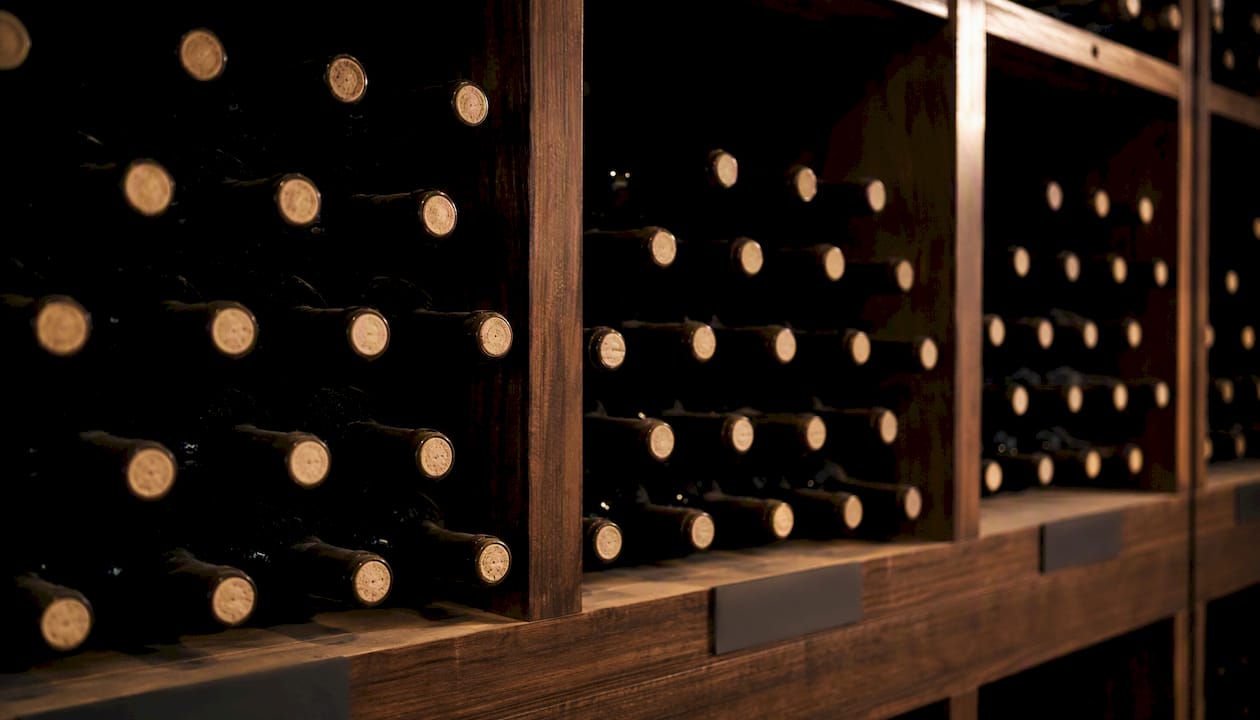
Sort your cellar into three groups: hold (not ready for at least three years), drink soon (within the next one to two years), and priority (at or approaching peak now). Move bottles forward physically as they approach peak so they’re visible and accessible. Review the groups annually and update your estimates based on any new tasting notes or vintage reports you’ve read.
Record-keeping:
Log the purchase date, purchase price, storage location, and any tasting notes for every bottle you open. Over time, your own notes become the most reliable guide to your cellar’s conditions and your personal taste preferences. The buy two rule is your best calibration tool: open one, note where it sits on the curve, and use that to time the second.
Australian examples and how local conditions change the picture
Australian wine styles have their own ageing logic, and local storage realities make a real difference to how you apply generic windows.
Hunter Valley Semillon is one of the world’s great age-worthy whites. Young, it tastes lean and almost austere, with high acidity and little obvious fruit. At 10–15 years, it transforms into something extraordinary: toast, lanolin, lemon curd, and honeyed complexity. The acidity that makes it seem thin at two years is exactly what preserves it for two decades. If you have a bottle from a serious producer like Tyrrell’s or McWilliam’s, patience is rewarded.
Barossa Shiraz from a top producer (think Penfolds Bin 389, Henschke Hill of Grace, or Torbreck RunRig) can age for 20–30 years in ideal conditions. But in a warm domestic environment, shorten that estimate. A bottle that might peak at 20 years in a 13°C cellar could be at peak at 12–15 years in a typical Australian home.
Tasmanian sparkling from producers like Jansz or House of Arras can develop genuine complexity with 5–10 years of ageing, rivalling Champagne for toasty, biscuity depth. Most Australian non-vintage sparkling, however, is made to drink within two to three years of disgorgement.
Practical Australian storage adjustments:
- If your storage averages above 18°C, shorten every window estimate by 20–30%.
- Provenance matters when buying older bottles in the Australian market. Ask for storage history, purchase invoices, and any temperature logs before buying a cellar-aged bottle from a private seller or auction.
- Retailer provenance statements are a trust signal, not a guarantee. A reputable retailer who can document storage conditions is worth paying a small premium for.
- Screwcap closures, common on Australian whites, age reductively. The windows can be longer than cork-sealed equivalents, but the flavour development path is different.
The honest truth about timing a special bottle
There’s a version of wine collecting that treats drinking windows like a test you can pass or fail. Open it at exactly the right moment, score full marks. Open it a year early, you’ve wasted it.
That’s not how it works, and experienced collectors know it. Drinking windows are estimates, not verdicts. Huon Hooke and other respected Australian critics have long argued that personal taste should sit alongside producer track record when you’re deciding when to pull the cork. Some people genuinely prefer the energy of a young wine over the complexity of a mature one. That’s not wrong; it’s preference.
The practical rule worth keeping: if you’re drinking for pleasure tonight, open it when it tastes good to you. If you’re holding for investment or provenance value, follow the structural evidence and the critic consensus. Those are two different decisions, and conflating them is where collectors get into trouble.
One thing I’ve come to believe: the bottle opened slightly early, shared with people you care about, is almost always a better memory than the bottle held too long in pursuit of a theoretical perfect moment.
Premium cellar-ready wines without the premium price tag
Knowing your windows is one thing. Having the right bottles in your rack is another. FU Wine sources cellar-ready and cellar-aged bottles at prices that make building a serious collection genuinely possible, often 30–70% below traditional retail. These aren’t clearance wines. They’re limited releases, boutique producer runs, and high-scoring vintages sourced through direct relationships and opportunistic buying.
Before buying any older bottle online, run this quick provenance check: confirm the storage history (temperature-controlled or not), check the ullage and label condition from photos, ask for the original purchase invoice or retailer documentation, and verify the seller’s reputation. FU Wine’s rotating catalogue includes cellar-aged stock with provenance you can trust, and the deals move fast. Browse the current cellar-aged selection at FU Wine and check what’s available before it’s gone.
Sources
These are the sources worth bookmarking for vintage research, critic drink recommendations, and technical background:
- Wine Drinking Windows: When to Open Every Bottle
- Wine Drinking Windows: How Long Can You Store Wine - Wine Ark
- What Is a Wine Drinking Window? A Simple Guide
- What do your drink recommendations or drinking windows mean? - Wine Spectator help
- Food (MDPI) article on wine chemistry and stability