

What is a value wine region: a guide for Australian drinkers
TL;DR:
- Regions like Rueda, Languedoc, Mendoza, Sicily, Riverland, and Riverina offer high quality wines at below-market prices due to reputation lag and flexible classifications. Buying early while regions are undervalued allows consumers to access exceptional value before prices rise as reputation improves. FU Wine specializes in sourcing these value wines through direct imports, cellar clearances, and online outlets, providing premium bottles at significantly lower prices.
A value wine region is any place where the quality-to-price ratio regularly beats market expectations. Not cheap wine. Not bulk plonk. Wine that punches above its weight because the region hasn’t been bid up by fashion, critics, or export hype — yet. Think Rueda’s crisp Verdejo at $15 a bottle, or a Riverland Shiraz that drinks like it costs twice what you paid. That gap between what’s in the glass and what’s on the price tag? That’s the whole game.
Here are six regions worth hunting for right now:
- Rueda, Spain — fresh, aromatic whites (Verdejo) available at affordable prices on most Australian shelves
- Languedoc, France — bold reds and whites with genuine complexity, often available at budget-friendly prices
- Mendoza, Argentina — Malbec that overdelivers at various price points
- Sicily, Italy — structured Nero d’Avola and elegant Nerello Mascalese typically offered at moderate prices
- Riverland, South Australia — reliable, food-friendly reds and whites offered at reasonable prices
- Riverina, New South Wales — warm-climate Shiraz and Semillon available at accessible price points
Table of Contents
- What actually makes a wine region good value?
- The best value wine regions to know right now
- Why value doesn’t last forever
- How to find and buy value-region wines in Australia
- How FU Wine finds value: the sourcing approach
- Key takeaways
- Try this before you buy another expensive bottle
- FU Wine: premium drops at prices that make sense
- Useful sources and further reading
What actually makes a wine region good value?
Value isn’t a fixed price point. It’s a ratio. A $40 bottle can be extraordinary value if it drinks like an $80 wine. A $15 bottle can be a rip-off if it tastes like cordial. The question is always: what are you getting for what you’re spending?
“The best bang-for-buck regions are those where quality has arrived but the world hasn’t fully noticed yet. That window between quality and reputation is where the real deals live.” — DC Looney, co-owner, The Punchdown, Oakland, as quoted by VinePair
Several structural forces drive that gap between quality and price.
Reputation lag is the biggest one. Spain’s quality revolution in regions like Rioja and Ribera del Duero happened mostly in the last few decades, and prices haven’t fully caught up to how good the wine has become. You’re buying in the window between the quality arriving and the world noticing.
Appellation rules and classification flexibility also matter. Producers in broader classifications like IGP or a wide DO can highlight single-vineyard work or modern techniques without paying the prestige premium baked into a famous appellation name. France’s appellation system creates pockets of value this way: satellites and lesser-known appellations often share geology with prestigious neighbours but sell at far lower prices.
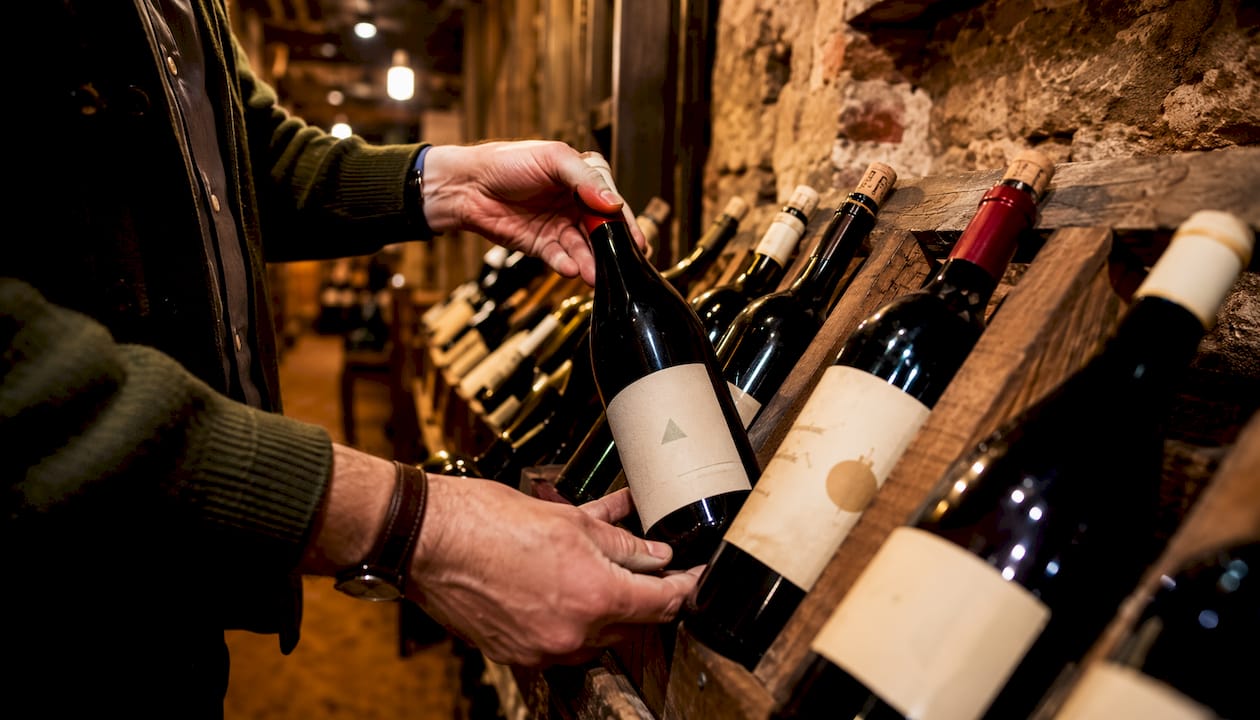
Production scale keeps prices honest. Languedoc is France’s largest wine region, and that volume means producers compete on quality rather than scarcity. Exchange rates and logistics shift the equation for Australian buyers too — a favourable AUD/EUR or AUD/USD rate can make already-affordable European bottles even better value on local shelves.
Pro Tip: Look for regulated aged categories on Spanish labels. “Crianza” means oak-aged and ready to drink. “Reserva” means more time in barrel and bottle. “Gran Reserva” means the producer aged it for years before you even saw it. That’s a built-in quality filter that often represents extraordinary value compared with similar styles from other countries.
The best value wine regions to know right now
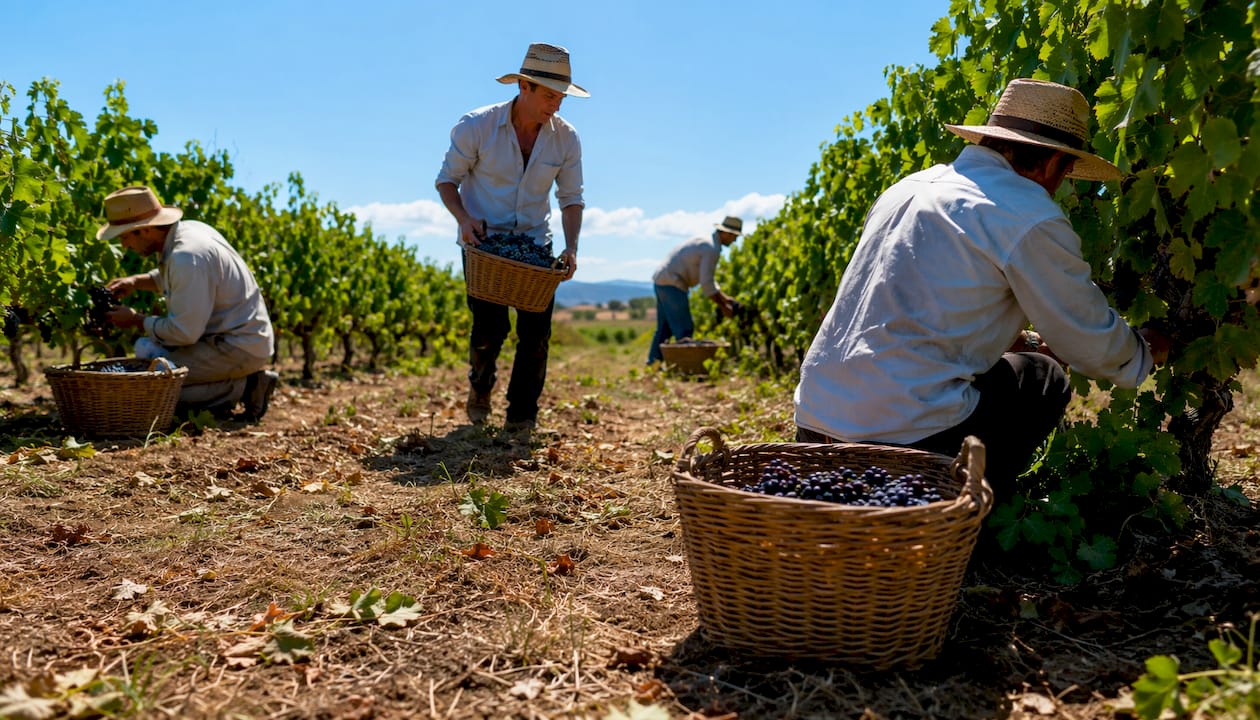
Here’s a practical shortlist with what to expect, what to pay, and where to find them in Australia. These aren’t obscure finds — most are available at Dan Murphy’s, BWS, or a good independent retailer.
| Region | Signature grapes / styles | Typical AUD shelf price | Best for | Australian availability |
|---|---|---|---|---|
| Rueda (Spain) | Verdejo whites, crisp and aromatic | affordable price range | Weeknight whites, seafood | Dan Murphy’s, independents |
| Languedoc (France) | Grenache, Syrah, Carignan reds; Picpoul white | budget-friendly pricing | Casual reds, BBQ | Supermarkets, online |
| Rioja (Spain) | Tempranillo reds, Crianza to Gran Reserva | moderate price range | Dinner parties, red meat | Widely available nationally |
| Friuli (Italy) | Pinot Grigio, Friulano, Ribolla Gialla whites | moderately priced | Aperitivo, light meals | Independents, online |
| Valpolicella (Italy) | Corvina blends, Ripasso, Amarone | mid-range price points | Pasta, winter reds | Dan Murphy’s, independents |
| Sicily (Italy) | Nero d’Avola, Nerello Mascalese, Grillo | moderate prices | Grilled meats, pizza | Supermarkets, independents |
| Puglia (Italy) | Primitivo, Negroamaro, Fiano | affordable price range | Everyday reds, pasta | Supermarkets, online |
| Mendoza (Argentina) | Malbec, Cabernet Sauvignon | moderately priced | Steak nights, crowd-pleasers | Widely available nationally |
| Chile — Central Valley / Maule | Carménère, Cabernet Sauvignon, Sauvignon Blanc | accessible price range | Weeknight drinking | Supermarkets, Dan Murphy’s |
| Riverland (SA) | Shiraz, Cabernet, Chardonnay | affordable price range | Everyday drinking | Supermarkets, bottle shops |
| Riverina (NSW) | Shiraz, Semillon, Durif | reasonable price range | BBQ, casual entertaining | Supermarkets, bottle shops |
A few notes worth knowing before you shop:
- Rioja is where most Australians should start with Spanish red. A Reserva at $25–$35 delivers structure and depth that a French equivalent would price well above. Historic regions like Rioja, Douro, and Chile’s Central Valley consistently appear in expert value lists for exactly this reason.
- Languedoc is the value powerhouse of France. Its size and IGP flexibility allow $14–$20 bottles to offer surprising complexity. Picpoul, Cinsault, and Carignan are the grapes to seek out.
- Friuli is Italy’s answer to serious whites without the Pinot Grigio tourist-trap pricing. Friulano and Ribolla Gialla are the ones to look for at a good independent.
- Puglia and Sicily are consistently recommended by wine professionals for quality-to-price ratio. Primitivo from Puglia is rich and generous at $15–$20. Sicily’s Nero d’Avola offers structure that punches well above its price.
- Riverland and Riverina are Australia’s own value corridors. These warm inland regions produce high volumes of reliably good wine at prices that make imported bottles look expensive. For a food-friendly white pairing, Riverina Semillon is genuinely underrated.
Pro Tip: For boutique and lesser-known regional bottles, skip the supermarket and head to an independent retailer or browse online. The range difference is significant, and staff at a good indie shop will often point you toward the best producer in a region rather than the best-marketed one.
Why value doesn’t last forever
Every value region has a lifecycle. It goes something like this: a handful of producers make genuinely excellent wine. A critic notices. An importer gets excited. Exports grow. Demand rises. Prices follow.
“The value gap between Spanish and French wine is real and currently in the drinker’s favour, but reputation eventually catches up to quality and prices follow. The smart time to learn them is while they are still underpriced, which for most of them is right now.” — Gamintraveler
Priorat in Spain is a useful example of this arc. Once a forgotten region of old Garnacha vines on steep slate terraces, it attracted critical attention, and prices climbed to match. It still represents value compared with top Rhône wines, but it’s no longer the bargain it once was. Rioja and Rueda are still in the sweet spot — well-regarded but not yet bid up to French price levels.
The practical implication for Australian buyers is timing. Regions like Maule in Chile and Puglia in Italy are still in the early-to-mid stages of their reputation arc. Wines from these areas are available at prices that won’t hold once the broader market catches on. Understanding what drives wine prices helps you recognise when a region is still in the window.
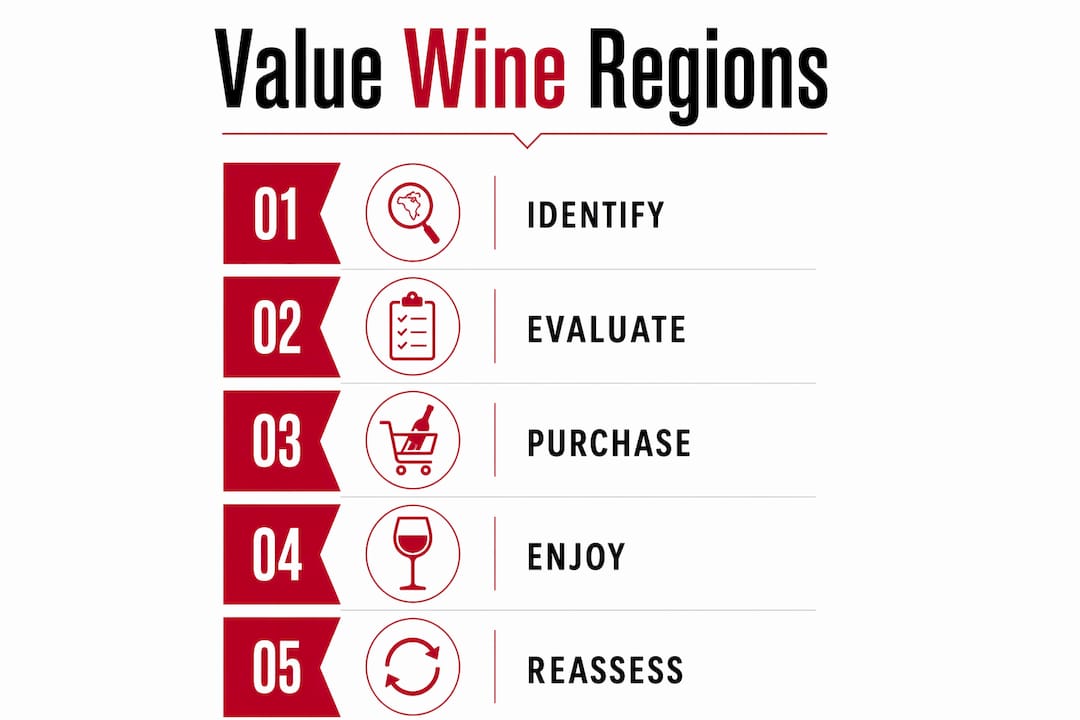
Vintage sensitivity adds another layer. Big harvest years in warm-climate regions typically mean more wine, more competition between producers, and better prices for buyers. When a region has a bumper vintage, that’s often the moment to buy a case and put a few bottles down.
Pro Tip: Buy now, drink later. If a value region you love starts getting press coverage, stock up before the price re-rates. A case bought at $18 a bottle can look very smart when the same wine is $28 two years later.
How to find and buy value-region wines in Australia
Knowing the regions is half the job. Finding the bottles is the other half. Here’s a practical approach for Australian shoppers.
-
Start at an independent retailer. Chains stock what sells in volume. A good indie shop stocks what’s interesting. Ask the staff what they’re drinking from Spain, southern Italy, or South America — you’ll get a genuine recommendation, not a shelf-placement deal.
-
Use supermarket shelves strategically. Woolworths Liquor (BWS) and Dan Murphy’s carry solid Languedoc, Mendoza, and Chilean Central Valley bottles at competitive prices. The range is narrower, but the value picks are there if you know what to look for.
-
Read the label for quality signals. On Spanish reds, look for Crianza, Reserva, or Gran Reserva. On Italian bottles, look for DOC or DOCG designations over generic IGT for a more regulated quality standard. On French bottles, a named sub-region (e.g. Faugères within Languedoc) usually signals a more serious producer than a broad regional label.
-
Shop online for range. Australian online wine merchants carry a far wider selection of value-region bottles than any physical store. Search by region rather than grape variety to find producers you haven’t tried.
-
Use flash-sale and deal sites. Rotating deal platforms often carry cellar-clearance and allocation-release bottles from value regions at prices well below standard retail. This is where you find boutique wines without the high markups.
-
Three shopping scenarios to try:
- Weekday dinner under $20: Grab a Puglia Primitivo or a Chilean Carménère from a supermarket. Both are widely available and consistently overdeliver.
- Crowd-pleaser for $30: A Rioja Reserva or a Mendoza Malbec from a mid-range producer. Reliable, food-friendly, and impressive to guests who don’t know the region.
- Speculative cellar buy: A Maule Valley Carignan or a Sicilian Nerello Mascalese from an indie retailer. These are the regions still in the early part of their reputation arc. Explore top wine regions for travel-oriented context on where these wines come from.
One caveat worth keeping in mind: import availability in Australia can be patchy for smaller producers. A bottle you loved on a trip to Europe may not be available here. When you find a producer you like, buy more than one bottle.
How FU Wine finds value: the sourcing approach
FU Wine’s whole model is built around one uncomfortable truth: most wine retail is padded with markups that have nothing to do with what’s in the bottle.
“Premium wine shouldn’t come with inflated, pretentious pricing. The best bottles in the world are sitting in cellars, allocation lists, and distressed stock — waiting for someone who knows where to look.” — FU Wine
The sourcing approach works like this. Cellar clearances happen when producers, importers, or collectors need to move stock quickly. The wine is the same quality; the urgency is the seller’s problem, not yours. Allocation releases give access to limited-run bottles that never reach standard retail. Distressed stock covers situations where an importer over-ordered or a distributor is restructuring — the wine is fine, the pricing reflects circumstance rather than quality.
Before anything goes live on the site, it goes through a tasting and condition check. Authenticity and condition at point of sale are guaranteed. What happens after that — storage, drinking window, food matching — is the buyer’s call. FU Wine is a retailer with strong opinions and direct relationships, not a neutral marketplace.
Key takeaways
A value wine region is defined by the quality-to-price ratio advantage it offers buyers willing to look beyond famous names and fashionable appellations.
| Point | Details |
|---|---|
| Value is a ratio, not a price | A $40 bottle can be better value than a $15 one if it drinks like an $80 wine. |
| Reputation lag creates opportunity | Regions like Rueda, Puglia, and Maule are still priced below their quality level. |
| Value windows close | Once critics and exporters notice a region, prices follow — buy before the hype peaks. |
| Label terms are your quality filter | Spanish Crianza/Reserva and French sub-region names signal regulated quality at fair prices. |
| FU Wine sources from the gaps | Cellar clearances, allocation releases, and direct imports put premium bottles at accessible prices. |
Try this before you buy another expensive bottle
Here’s a simple experiment worth doing this weekend. Pick two bottles: one from a value region you haven’t tried (a Rioja Reserva, a Sicilian Nero d’Avola, a Mendoza Malbec), and one from a familiar benchmark you’d normally reach for at a similar or higher price. Taste them side by side, blind if you can manage it.
Don’t look for a winner. Look for what surprises you. Does the value-region bottle have more structure than you expected? More fruit? More length on the finish? Write down three words for each wine — not scores, just impressions. Texture. Fruit character. How long the flavour lasts.
Then revisit the same value-region bottle a month later. Vintage sensitivity shows up in how a wine evolves with a bit of air and time. A bottle that seemed tight on first opening can open up beautifully. That’s the kind of discovery that makes you a smarter buyer, not just a cheaper one. Record your notes, compare them, and let the wine do the arguing.
FU Wine: premium drops at prices that make sense
Most wine retail adds layers of margin between the producer and your glass. FU Wine cuts through that. The model is direct buying, flash deals, and cellar-find access — which means you get premium and hard-to-find bottles at prices typically 30–70% below standard retail.
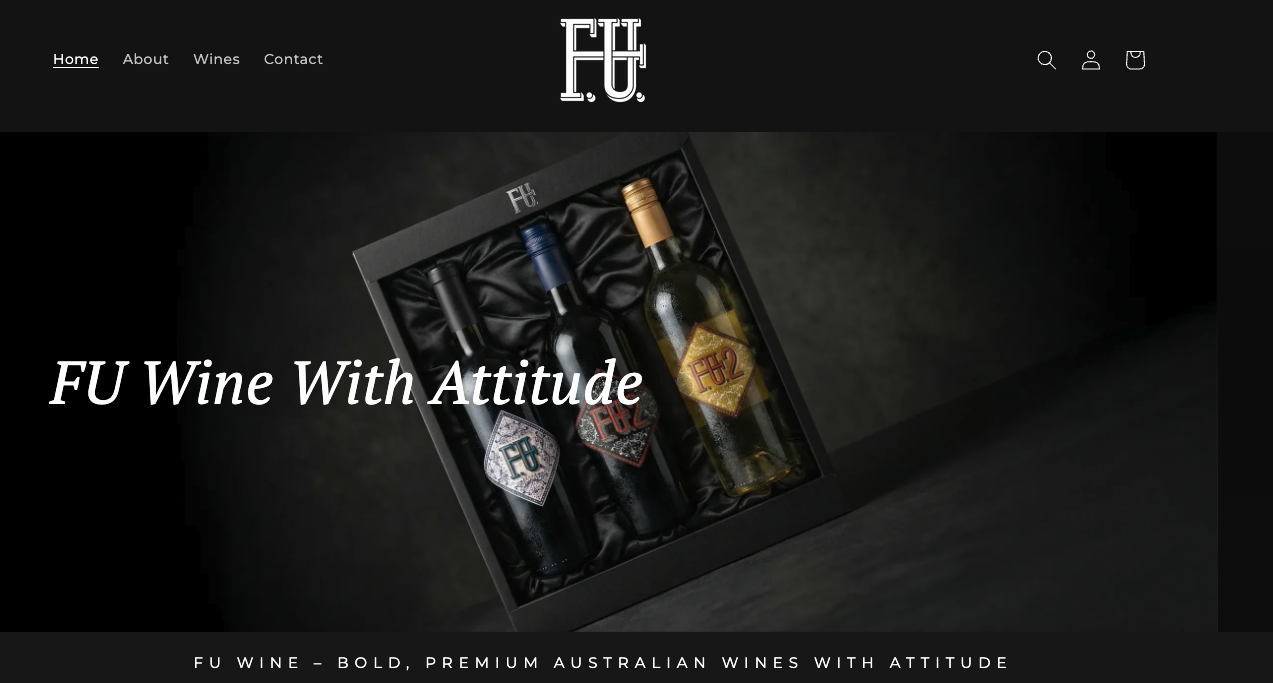
This isn’t a curated subscription or a generic mixed dozen. It’s a rotating selection of genuinely interesting bottles: limited releases, high-scoring vintages, cellar clearances from serious producers. The kind of wine that usually requires knowing the right importer or being on an allocation list. FU Wine puts that access in one place, without the gatekeeping.
Worth being straight about: FU Wine is a retailer with a point of view, not a neutral comparison platform. The wines listed are ones the team has tasted and backed. Browse the current drops at fuwine.com.au and see what’s available now — or sign up for flash-deal alerts so you don’t miss the next cellar clearance.
General information only. Availability, pricing, and vintages change. Always verify current stock and drinking windows directly with the retailer.
Useful sources and further reading
The claims in this article are backed by wine professionals and authoritative sources. Here are the key ones worth bookmarking.
“Finding great value in Old World wines is possible — as long as you know where to look.” — Wine Folly
- Wine History Tours — Most Affordable Fine Wine Regions: A solid global shortlist covering Rioja, Languedoc, Douro, and Chile’s Central Valley with context on why each delivers value.
- VinePair — Best Value European Regions (17 Wine Pros): Direct quotes from sommeliers and wine directors on their current value picks across Europe, including Puglia, Sicily, and Languedoc-Roussillon.
- VinePair — Best French Regions for Budget Buys: Focused on Languedoc and Beaujolais with price-band context useful for Australian shoppers.
- French Wine Authority — Best Value French Wines: Covers appellation spillover and how satellite regions share geology with prestige neighbours at lower prices.
- Wine Folly — The Secret to Finding Great Value Wine: Practical framework covering undervalued regions, overlooked grapes, and over-productive vintages.
- Gamintraveler — Six Spanish Regions Worth Drinking: Detailed breakdown of Rioja, Rueda, Rías Baixas, and Priorat with direct comparisons to French equivalents.
- Wine Travel Guides — Valdepeñas Wine Guide: Covers one of Spain’s most underrated value DOs for Tempranillo-based reds.
- FU Wine blog — Niche wines: what they are and where to find them: Practical sourcing strategies for lesser-known regions, written for Australian buyers.
- FU Wine blog — How to shop boutique wines without high markups: Tactics for avoiding inflated retail prices in Australia.
- Blame It on Bacchus — Wine Areas of the World: Broad region maps and traveller-friendly descriptions useful for understanding where value regions sit geographically.