

Explain wine label status: a no-BS guide
TL;DR:
- Wine label status includes legally regulated classifications indicating origin, variety, and quality, which help distinguish factual claims from marketing spin. The 75-85-95 rule in the US mandates minimum thresholds for grape, region, and vintage claims, ensuring accountability but not quality guarantees. Verifiable terms like estate bottled and single vineyard carry meaningful weight, while vague terms like reserve are often marketing language; understanding these distinctions empowers confident wine purchasing.
Wine label status is the controlled set of classifications and claims on a bottle that tell you where the grapes came from, what varieties they contain, and what quality signals the producer is legally allowed to make. It is not just pretty design and poetic copy. Every word on that label sits somewhere on a spectrum from legally binding fact to pure marketing spin. Knowing the difference is what separates a confident wine buyer from someone paying a premium for a fancy font. This guide breaks down the regulatory thresholds, quality indicators, and mandatory disclosures that shape what wine label status actually means in practice.
What does wine label status mean and why does it matter?
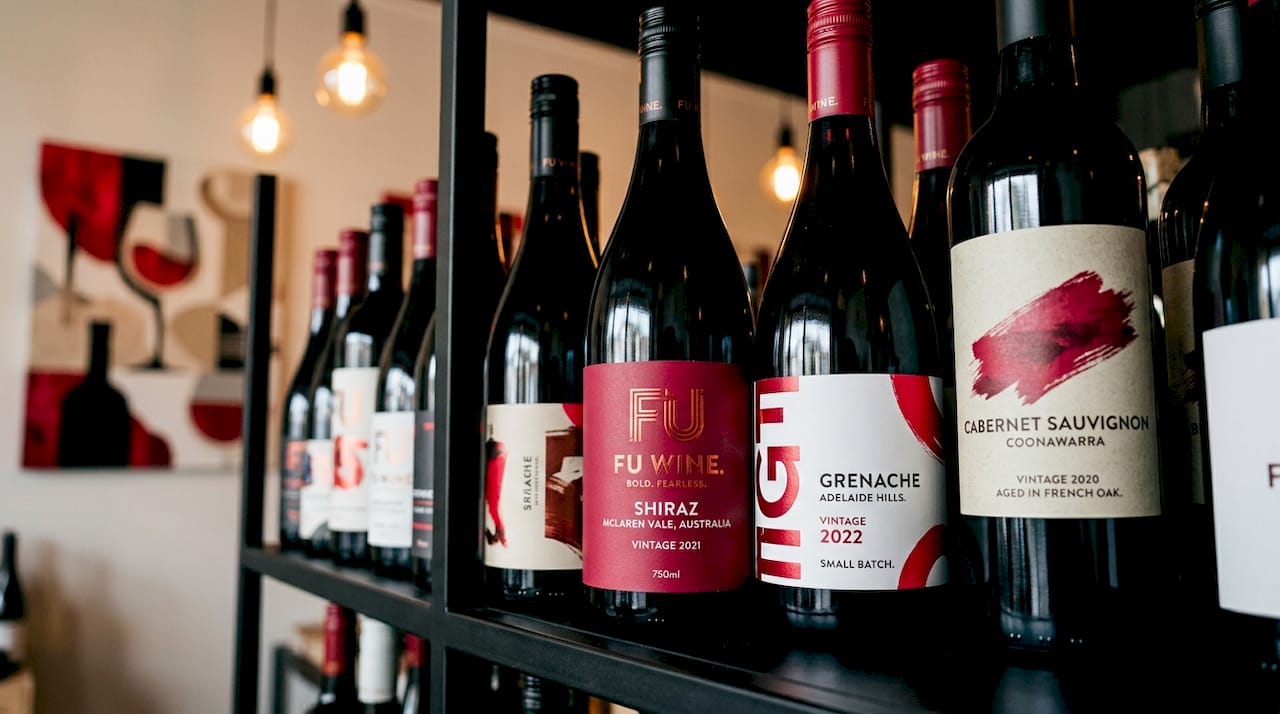
Wine label status refers to the official and commercial classifications that appear on a bottle, governed by a mix of national regulations and voluntary producer choices. Think of it as a legal document dressed up in graphic design. Wine labels function as legal documents where geographic specificity is the strongest signal of authenticity and quality. That framing matters because it shifts how you read a label. You stop looking for the prettiest story and start looking for the most specific claims.
The status on a label covers four core areas: grape variety, geographic origin, vintage year, and quality tier. Each of these can be either tightly regulated or loosely applied depending on the country of origin and the term used. A Barossa Valley Shiraz from South Australia carries a very different level of accountability than a bottle simply labelled “Australian Red.” The specificity is the signal.
Understanding wine labels at this level gives you real purchasing power. You can spot when a producer is making a verifiable claim versus when they are selling you a vibe. And in a market full of inflated prices and inflated promises, that knowledge is genuinely worth something.
What does the 75-85-95 rule mean for wine label status?
The 75-85-95 rule is the core regulatory framework used in the United States to govern what producers can legally claim on a wine label. It is enforced by the Alcohol and Tobacco Tax and Trade Bureau, known as the TTB, and it sets minimum thresholds for three of the most important label claims you will encounter.
Here is what each number means:
- 75% grape variety: If a label names a grape variety, such as Cabernet Sauvignon or Chardonnay, at least 75% of the wine must come from that grape. That leaves room for up to 25% of other varieties without disclosure.
- 85% appellation origin: If a wine claims a specific American Viticultural Area, such as Napa Valley, 85% of the grapes must originate from that region. This threshold rises to 95% for state or county claims.
- 95% vintage year: If a vintage year appears on the label, 95% of the wine must come from grapes harvested in that year.
These thresholds are minimum standards, not quality guarantees. A wine can meet every one of these requirements and still be mediocre. What the rule does is create a floor of accountability. It means the label cannot be an outright lie, but it does not promise greatness either.
Australian wine regulations operate under the Label Integrity Programme, administered by Wine Australia, which enforces similar thresholds for variety, region, and vintage claims. The principle is consistent globally: geographic and varietal claims on labels carry legal weight, while descriptive language does not.

Pro Tip: When comparing wines from different countries, check whether the label uses a specific sub-region or appellation rather than a broad national claim. A more specific geographic designation almost always means tighter production rules and greater accountability.
How do quality indicators on wine labels reflect authenticity?
This is where label reading gets genuinely interesting. Some quality terms on a wine label are legally defined and verifiable. Others are pure marketing copy with no regulatory meaning whatsoever. Knowing which is which changes everything.
| Term | Regulated? | What it actually means |
|---|---|---|
| Estate bottled | Yes (US) | Winery grew, fermented, and bottled the wine entirely within one appellation |
| Single vineyard | Yes (most regions) | At least 95% of grapes from that named vineyard |
| Reserve | No (US, Australia) | No legal definition; used freely as a marketing term |
| Old vines | Mostly no | No universal age threshold; purely a producer claim |
| PDO / AOC / DOC | Yes | Protected designation of origin with strict production rules |
“Estate bottled” is one of the most meaningful terms on a label. It requires the winery to grow, ferment, and bottle the wine entirely within a single appellation. That is a high bar. It guarantees a level of provenance and control that “cellared by” or “bottled by” simply does not.
Single vineyard claims carry similar weight. Wines labelled with a specific vineyard name must contain at least 95% grapes from that site. That threshold reflects genuine exclusivity and site-specific character. It is a meaningful claim.
“Reserve,” on the other hand, means nothing in the US or Australia from a regulatory standpoint. In Spain, Reserva and Gran Reserva carry legal minimum ageing requirements. In Italy, Riserva does the same. But slap “Reserve” on an Australian or Californian bottle and you have made zero verifiable commitment. Terms like Reserve have no legal definition in the US and exist purely as marketing language. That is not a minor footnote. It is the difference between a promise and a pitch.
Pro Tip: When you see “Reserve” on an Australian or American wine, treat it as a conversation starter rather than a quality guarantee. Look for the appellation specificity and producer reputation instead.
Classification systems like Protected Designations of Origin (PDO) in Europe, Appellations of Origin Contrôlées (AOC) in France, and American Viticultural Areas (AVA) in the US all function as quality frameworks baked into label status. They do not guarantee a great wine, but they do guarantee that the wine was made within a defined set of rules. You can find a deeper breakdown of these key wine terms and what they signal for Australian wine lovers.
What mandatory disclosures appear on wine labels?
Beyond grape variety and origin, wine labels carry a set of legally required disclosures that speak directly to consumer safety and transparency. These are not optional. They are the baseline of what every bottle must tell you.
Alcohol by volume is a mandatory disclosure in virtually every wine-producing country. US regulations set an alcohol tolerance of 1.5% for wines under 14% ABV and 1% for wines at or above 14% ABV. That means a label reading 13.5% could legally contain anywhere from 12% to 15% alcohol. It is a wider margin than most people realise.
Sulfite disclosure is another non-negotiable. US law requires a sulfite warning for wines that exceed 10 ppm of sulfur dioxide. Almost all wines contain sulfites at some level, so the “contains sulfites” statement is near-universal. What it does not tell you is the actual concentration, which varies considerably between wines.
The European Union has moved furthest on mandatory transparency. EU Regulation 2026/471 now requires standardised calorie information on wine labels, with fines exceeding EUR 5,000 per violation for non-compliance. That is a serious financial incentive to get it right. The EU has also mandated that producers issue multilingual digital labels accessible via QR codes, covering full ingredient lists and nutritional data. This improves transparency considerably, though it adds compliance complexity for smaller producers. The broader shift toward digital label transparency is reshaping how producers communicate with consumers globally.
Allergen declarations, particularly for egg and milk-derived fining agents, are increasingly required across major markets. If you have dietary restrictions, the QR code on a European wine bottle is now your most reliable source of that information.
How can you interpret wine label status to buy with confidence?
Reading a wine label confidently is a learnable skill. It comes down to knowing which claims are legally binding, which are aspirational, and which are outright fiction dressed up in italic font.
Start with these steps:
- Check the geographic specificity. A village-level or vineyard designation carries more accountability than a broad regional claim. Specific appellations implicitly guarantee yield limits, grape variety, and production methods. The more specific the origin, the more you can verify.
- Identify regulated versus unregulated terms. Estate bottled and single vineyard are verifiable. Reserve and Old Vine are not, at least not in Australia or the US. Apply appropriate scepticism to anything that sounds impressive but lacks a regulatory framework behind it.
- Assess the vintage claim. Vintage matters more for some regions and styles than others. For premium Barossa Shiraz or Burgundy Pinot Noir, the year can dramatically affect character and value. For everyday drinking wines, it is less critical. A vintage wine guide can help you understand when the year on the label is genuinely meaningful.
- Treat back-label tasting notes with healthy scepticism. Back-label descriptions are marketing copy written by the producer with no regulatory standard for accuracy. “Notes of dark cherry and cedar” is a sales pitch, not a verified sensory analysis.
- Research the producer beyond the label. Label status tells you what the regulations allow the producer to claim. Producer reputation tells you what they actually deliver. Wine review platforms, importer notes, and community forums fill in what the label cannot.
Pro Tip: When buying wines from unfamiliar regions, prioritise bottles with the most specific geographic designation available. A Côte de Nuits Villages from Burgundy tells you far more than a generic “Burgundy” label, even if the price difference seems small.
Key takeaways
Wine label status is most reliable when it is grounded in geographic specificity and regulated terminology rather than marketing language.
| Point | Details |
|---|---|
| Regulatory thresholds matter | The 75-85-95 rule sets minimum standards for variety, appellation, and vintage claims on US labels. |
| Not all quality terms are equal | Estate bottled and single vineyard are legally defined; Reserve and Old Vine carry no regulatory weight in Australia or the US. |
| Mandatory disclosures protect you | Alcohol tolerance ranges, sulfite declarations, and EU digital labelling rules are legally enforced consumer protections. |
| Geographic specificity is your best signal | Village or vineyard-level appellations guarantee tighter production rules than broad regional labels. |
| Back-label copy is marketing | Tasting notes and descriptive language on labels have no standardised truth test and should be read critically. |
Why label literacy is the most underrated wine skill
I have spent years watching people agonise over wine choices in bottle shops, turning labels over and over, searching for something that tells them whether the wine is worth it. Most of the time, they are reading the wrong things. They are drawn to the poetic back-label copy and the impressive-sounding “Reserve” designation, and they are ignoring the one thing that actually tells them something real: the geographic origin.
The uncomfortable truth is that the wine industry has done a masterful job of making marketing language feel authoritative. A beautifully designed label with a heritage story and a “hand-selected” claim feels more trustworthy than a plain label with a specific village appellation. But the village appellation is the verifiable claim. The heritage story is not.
What I have found genuinely useful is treating label reading as a two-step process. First, strip out everything that has no regulatory backing. Then assess what remains. If what remains is a specific appellation, a regulated quality tier, and a vintage claim, you have something to work with. If what remains after stripping the marketing is almost nothing, that tells you something too.
Regulatory changes are also accelerating. The EU’s push toward QR code-based digital labels is the most significant shift in wine transparency in decades. It will not solve everything, but it does mean that within European wines, the gap between what the front label promises and what the bottle actually contains is narrowing. That is good for everyone who buys wine with genuine curiosity rather than blind brand loyalty.
— Damien
Find wines worth every cent at FU Wine
You have done the hard work of learning to read a label properly. Now use that knowledge where it counts.
FU Wine exists for exactly this kind of savvy drinker. Every bottle in the catalogue has been sourced for quality and scarcity, not for the size of the marketing budget behind it. You will find premium and hard-to-find wines at prices that make the traditional retail model look embarrassing. Flash deals, cellar clearances, boutique producer runs. No gatekeeping, no inflated prestige pricing. Just genuinely good wine at prices that respect your intelligence. Head to FU Wine and see what is available right now before someone else gets there first.
FAQ
What does wine label status mean?
Wine label status refers to the regulated and commercial classifications on a wine bottle that indicate grape variety, geographic origin, vintage year, and quality tier. Some terms are legally defined and verifiable; others are unregulated marketing language.
What is the 75-85-95 rule on wine labels?
The 75-85-95 rule requires that a labelled grape variety comprises at least 75% of the wine, a named appellation contributes at least 85% of the grapes, and a stated vintage year accounts for at least 95% of the harvest. These are US federal minimums enforced by the TTB.
Is “Reserve” a regulated term on wine labels?
In the US and Australia, “Reserve” carries no legal definition and is used freely as a marketing term. In contrast, Spanish Reserva and Italian Riserva are legally defined with minimum ageing requirements.
What mandatory information must appear on a wine label?
Wine labels must include alcohol by volume, country of origin, volume, and sulfite disclosure if sulfur dioxide exceeds 10 ppm. EU regulations now also require calorie information and digital ingredient lists accessible via QR code.
How do I know if a geographic label claim is reliable?
The more specific the geographic designation, the more reliable the claim. Village-level or vineyard-specific appellations carry tighter production rules than broad regional labels, making them a stronger signal of authenticity and provenance.