

Picking a second label wine: value tips for Aussie drinkers
TL;DR:
- Second-label wines often offer the estate’s character at about half the price of the flagship. Choosing bottles with clear estate or vineyard designations from trusted producers and solid vintages ensures good value. They are built for earlier drinking, making them ideal for casual enjoyment rather than long-term storage.
Yes, second-label wines are absolutely worth buying for drinking. Many deliver most of the estate’s house character at roughly half the price of the flagship. The one rule to lock in before you shop: favour bottles with an explicit estate or vineyard designation from a producer you already trust, and check that the vintage was a solid one.
Three things to scan before you buy:
- Producer first. A credible estate name on a second label means the fruit came from the same land, the same team, the same philosophy.
- Vintage cue. In a strong year, the second label carries more of the flagship’s quality. In a weak year, it can actually represent better value than the grand vin.
- Price spread. If the second label is priced at 40–60% of the flagship, that’s the ideal value range. If the gap is much narrower, demand likely outweighs the value.
Table of Contents
- What does ‘second label’ actually mean?
- Why do wineries bother making second labels?
- What should you expect in style, ageing, and drinking window?
- How do you pick a great second-label wine? A practical checklist
- Where can you buy second-label wines in Australia?
- How collectors and everyday drinkers use second labels differently
- Key takeaways
- Second labels and the joy of drinking well without the theatre
- FU Wine finds the second labels worth drinking
- Further reading and sources
What does ‘second label’ actually mean?
The industry term is second wine (or second vin in French), and it refers to a wine made by a producer alongside their flagship bottling, known as the grand vin. Same estate, same winemaking team, different selection. Understanding what label language actually signals is the fastest way to cut through the noise on any listing.
The label wording matters, though, and it varies a lot by region. In Bordeaux, the rules are tight. A château’s second wine must come from the estate’s own vineyards, so you get a genuine legal guarantee of provenance. Outside France, the IWFS blog notes that second labels are a widespread and growing category, but the legal protections are looser.
In the New World, including Australia and Napa, Imbibe Magazine points out that AVA rules require only 85% of fruit from the named appellation, and a single-vineyard designation requires 95% from that site. “Estate bottled” implies the producer grew and made the wine themselves, which is the strongest sourcing signal on a New World label. Terms like reserve label or companion wine carry no legal weight on their own. They’re marketing language until the label also shows a vineyard name or an estate-bottled claim.
Why do wineries bother making second labels?
The short answer: strict selection for the flagship creates surplus fruit that’s too good to sell off in bulk. Rather than waste it, smart producers bottle it under a second label. That’s the origin story for most Bordeaux seconds, and it’s why they tend to carry genuine estate character rather than reading like a consolation prize.
But the motives vary, and that variation changes how much value you should expect:
- Selection and concentration. The winemaker sets a quality bar for the grand vin. Fruit from younger vines, less-favoured parcels, or slightly off-peak lots gets redirected. The second label benefits from the same rigorous farming, just a different cut.
- Commercial access. A $60 second label gets the estate onto by-the-glass lists and into retail shelves where the $200 flagship never appears. That’s deliberate brand-building, not an afterthought.
- Intentional companion wines. Decanter’s reporting on Napa shows that many producers in the New World plant and plan specific parcels for the secondary bottling. These aren’t declassified leftovers. They’re a distinct expression of the estate, designed to drink earlier and appeal to a different buyer.
- Price and scarcity. Because seconds sit below the flagship in the estate’s hierarchy, they’re priced to move. That’s your opportunity.
Pro Tip: When evaluating a producer’s approach, look at the estate’s scale and track record. A small boutique winery with one label is probably not producing a deliberate second wine. A mid-to-large estate with a named second label and a consistent stylistic track record? That’s where the value lives.
What should you expect in style, ageing, and drinking window?
Second wines are built for earlier drinking. That’s not a flaw; it’s the design. Bordeaux second wines typically use less new oak and a shorter elevage than their grand vins, which means less wood tannin, a softer structure, and a wine that opens up sooner. Younger vines also contribute less concentration and finer tannins, which shortens the ageing arc.
Here’s a practical guide to drinking windows across the main scenarios:
| Scenario | Typical opening window | Plateau / best drinking |
|---|---|---|
| Bordeaux second wine (strong vintage) | 5 years from harvest | — |
| Bordeaux second wine (average vintage) | 3–5 years from harvest | 5 years |
| Napa companion label (intentional bottling) | 3–6 years from harvest | — |
| Australian estate second label (regional) | 2–4 years from harvest | 4 years |
| Younger-vine regional second (any origin) | 1–3 years from harvest | 3–6 years |
Vintage quality shifts everything. In classical vintages, the gap between grand vin and second wine widens; the flagship pulls further ahead in concentration and longevity. In a dilute or difficult year, producers often channel more fruit into the second label, and that wine can represent stronger comparative value than the grand vin, which may be austere or scarce.
Pro Tip: If you’re cellaring a case of second labels, pull one bottle at the three-year mark and taste it. That single bottle tells you whether the rest of the case needs more time or is already at its peak. It’s the cheapest insurance policy in wine collecting.
How do you pick a great second-label wine? A practical checklist
Picking a second label wine well comes down to a clear priority order. Work through this list when you’re shopping online or standing in a bottle shop:
- Producer credibility. This is non-negotiable. A second label is only as good as the estate behind it. If you don’t know the producer’s flagship, look it up before you buy the second.
- Estate or vineyard claim on the label. “Estate bottled” or a named vineyard is the strongest sourcing signal available in the New World. No vineyard name, no estate claim? Treat it with more scepticism.
- Vintage quality. A solid vintage lifts the second label significantly. A poor vintage can still offer value, but temper expectations on concentration and longevity.
- Price relative to the flagship. The 40–60% range is the value zone. If the second label price approaches that of the grand vin, demand is inflating the price and the value proposition weakens.
- Varietal and region fit. Match the wine to your purpose. A Cabernet-dominant Bordeaux second needs time; a Semillon-based Australian second label might be ready to pour tonight.
- Drinking window vs your plans. Buying for a dinner next month? Go for a younger-vine regional second. Building a small cellar? A Bordeaux second from a strong vintage gives you more runway.
Industry commentary consistently backs producer signals and vintage context as the primary decision criteria over blind reliance on price or marketing language. Ratings and tasting notes are useful secondary tools, but they don’t replace knowing the producer.
A few extra considerations for Australian buyers:
- Duty and freight add cost to imported bottles. Factor that into your price-spread calculation when comparing a French second label to an Australian estate wine.
- Seasonal availability matters. Many second labels arrive in small parcels and sell through quickly. If you find one you like, buy more than one bottle.
- Local merchants who specialise in fine wine often have provenance notes and import history on their listings. That transparency is worth paying a small premium for.
Pro Tip: For everyday drinking, prioritise Australian estate second labels. The freight and duty savings versus imported bottles are real, and local producers are making genuinely exciting companion wines right now.
Where can you buy second-label wines in Australia?
The channels are broader than most people realise, and each one has a different risk profile.
Specialist online merchants are the most reliable starting point. Look for listings that include provenance notes, country of origin, and a clear return or damage policy. If a listing doesn’t tell you where the wine has been stored, that’s a gap worth questioning.
Direct-to-consumer flash deals are where the real finds happen. Models like FU Wine’s rotating drops surface second-label opportunities from cellar clearances, distressed inventory, and allocation releases that never reach traditional retail. For Australian buyers, DTC and flash-deal models can surface exceptional second-label opportunities precisely because opportunistic buying bypasses the usual markups. When a deal appears, it moves fast.
Independent bottle shops with a strong fine wine section often carry second labels from importers who have direct relationships with estates. Ask the staff which second labels they stock regularly and whether they can order a specific one. Most good independents will.
Restaurant wine lists are an underrated research tool. If a restaurant is pouring a second label by the glass, taste it there before committing to a case. The sommelier can usually tell you about the producer’s approach and the current vintage’s drinking window.
Auction houses (Langton’s, Mossgreen, and similar) carry second labels occasionally, but the auction premium and buyer’s fees can erode the value advantage. Stick to auctions for older vintages you can’t source elsewhere, not for current releases. Knowing how to access limited drops before they sell out is a skill worth developing if you’re serious about this category.
When checking any merchant listing, confirm: provenance and storage history, shipping conditions (temperature-controlled?), and whether the bottle is the current release or an older vintage with unknown cellaring.
How collectors and everyday drinkers use second labels differently
The strategy splits cleanly into two camps, and knowing which one you are saves money and disappointment.
Volume buyers for drinking get the most from second labels. Buy a case of a reliable estate’s second wine in a good vintage, drink it over three to five years, and repeat. The value-to-enjoyment ratio is hard to beat anywhere in the wine market.
Singleton buyers for trial or collecting use second labels differently. A single bottle from an unfamiliar estate is a low-cost way to assess whether the producer’s style suits you before committing to the flagship. It’s a tasting note you pay for and drink.
A few things worth knowing about the collecting angle:
- Second labels are generally poor investment targets compared with grand vins. Auction liquidity and tools like Liv-Ex track flagship labels; seconds rarely appear in the same price-appreciation data.
- In poor or dilute vintages, producers often channel a larger proportion of the harvest into second labels. Those vintages can offer stronger comparative value for the second than for the grand vin.
- Buying seconds in volume for drinking and grands in singletons for investment is the approach most experienced collectors land on after a few years of trial and error.
FU Wine’s sourcing model, which leans on opportunistic buying from cellar clearances and distressed inventory, aligns directly with the volume-drinking strategy. When a parcel of estate seconds surfaces at a significant discount, that’s the moment to act.
Key takeaways
Second-label wines deliver genuine estate character at a fraction of the flagship price, and picking them well comes down to producer credibility, vintage quality, and a clear-eyed look at the price spread.
| Point | Details |
|---|---|
| Producer is everything | Only buy a second label if you trust the estate behind it; the label is only as good as the producer’s reputation. |
| Vintage shapes value | In strong years the flagship pulls ahead; in weak years the second label often offers better comparative value. |
| Price spread signals opportunity | A second label priced at 40–60% of the flagship is in the value zone; narrower spreads suggest demand, not value. |
| Drink, don’t cellar | Second labels are built for earlier drinking, typically 3–15 years depending on origin and vintage. |
| FU Wine for flash finds | FU Wine’s opportunistic sourcing model surfaces estate second labels at significant discounts before they sell through. |
Second labels and the joy of drinking well without the theatre
The conventional wisdom says second labels are the consolation prize. That’s wrong, and it’s the kind of thinking that keeps people paying for prestige when they could be drinking beautifully for half the price.
What actually matters is whether the producer takes the second label seriously. The best ones do. They use it to showcase younger vines, earlier-drinking parcels, and a style that’s more immediate and generous than the flagship. That’s not lesser wine. That’s a different wine with a different purpose, and for most occasions, it’s the right one.
The investment angle is a distraction for most buyers. Grand vins dominate the auction market and the Liv-Ex indices. Second labels don’t. So stop treating them like a speculative asset and start treating them like what they are: some of the best-value drinking in the world, if you know how to pick them.
FU Wine’s approach, sourcing opportunistically from cellar clearances and distressed stock, is built for exactly this kind of buyer. Not the collector chasing trophy bottles. The person who wants to drink something genuinely excellent tonight without the inflated price tag that usually comes with it.
FU Wine finds the second labels worth drinking
Premium second-label wines at prices well below traditional retail levels. That’s the FU Wine proposition, and it’s not complicated. The rotating catalogue pulls from cellar clearances, allocation releases, and distressed inventory, which means estate-linked second labels surface here before they appear anywhere else, and at prices that make the value case obvious.
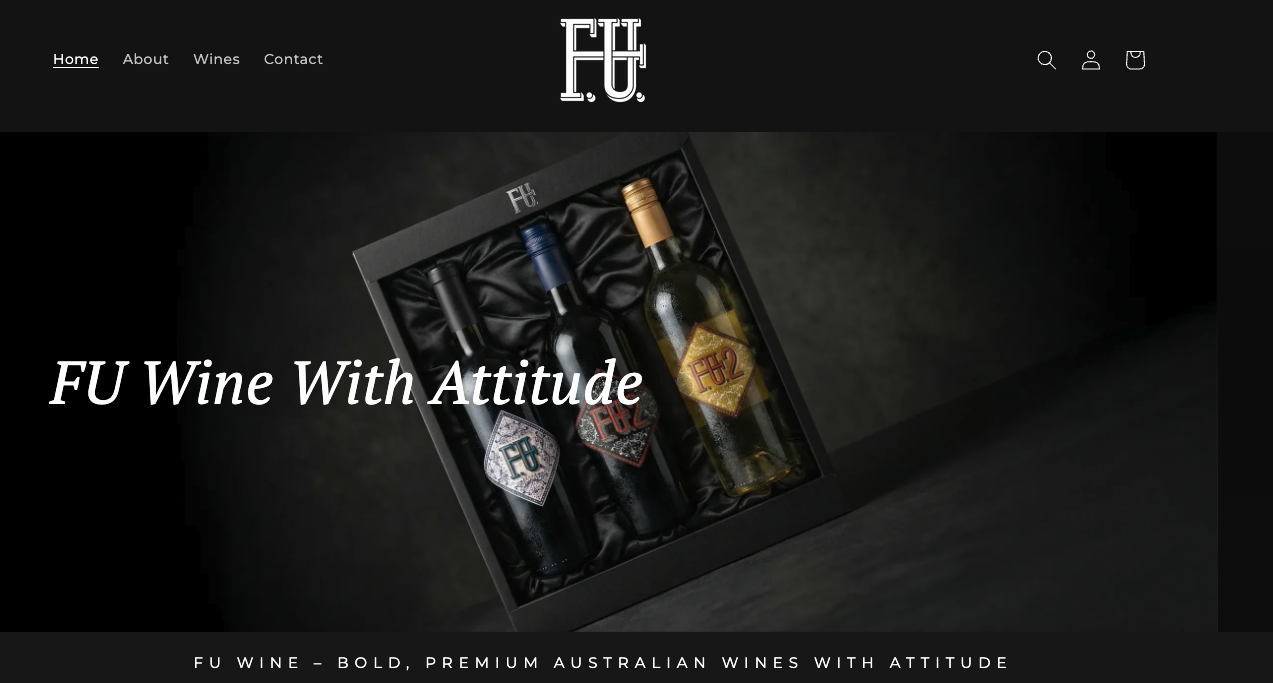
When you browse the current drops, look for listings that name the estate or vineyard explicitly. Those are the bottles where the sourcing story is real. Flash deals move quickly, so if a second label from a producer you recognise appears at a significant discount, that’s the moment to act.
Visit FU Wine and check what’s available now. Sign up for deal alerts so you’re first in line when a parcel of estate seconds lands.
Further reading and sources
These are the sources used to build this guide. Each one is worth a deeper read if you want to go further on a specific topic.
- IWFS Blog: Second wines and second labels are well worth discovering — trade perspective on the category’s breadth and quality ceiling; useful for understanding how widespread second labels have become.
- Imbibe Magazine: A guide to second labels — practical buying context and commentary on label guarantees outside France; good for understanding New World label rules.
- Decanter: Napa second-label practices — reporting on intentional companion wine production in Napa; useful for understanding that ‘second label’ covers very different production models.
- Luxury Web Magazine: How to enjoy second labels without breaking the bank — practical decision criteria and producer-signal guidance; good for shopping checklists.
- Liv-Ex — the authoritative source for fine wine market data and auction liquidity; essential context for understanding why second labels are drinking wines, not investment vehicles.
- Wikipedia: Second wine — clean definitional overview of the category’s origins and terminology.